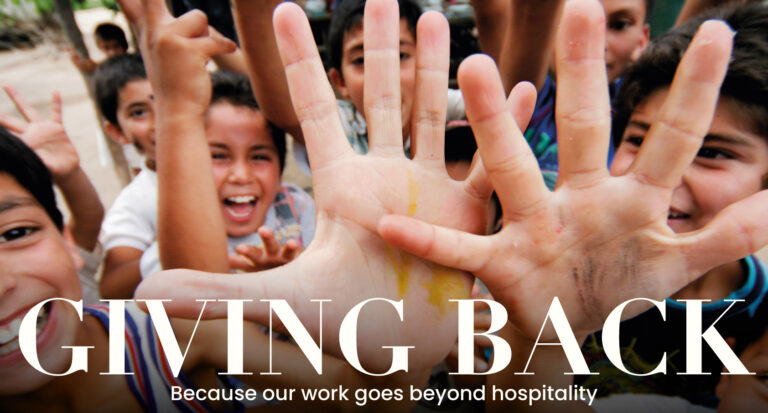
Over the past 12 months, your support has continued to play a direct role in sustaining and expanding our Giving Back program across Argentina. What began years ago in Córdoba as a way to support local communities through Fundación Misión Esperanza has grown into a structured effort that today includes daily nutrition, education, healthcare, and community development initiatives.
This past year was not about starting something new, but about strengthening what is already in place: improving infrastructure, expanding reach, and continuing to build consistency across every program.
Below, you’ll find a closer look at how that support was put to work. For full transparency, the following projects were funded directly through donations contributed by our guests.
Córdoba Hope Projects
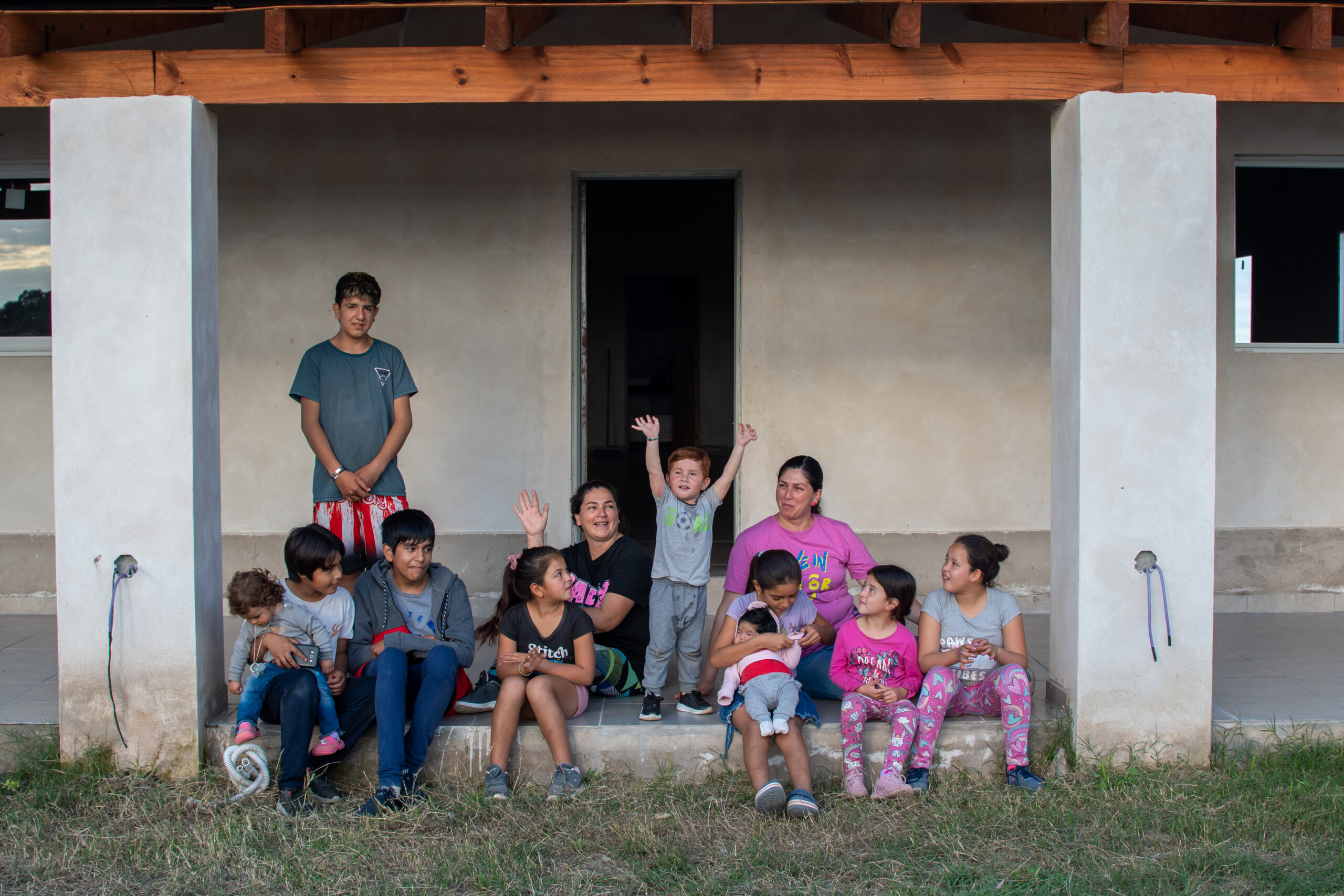
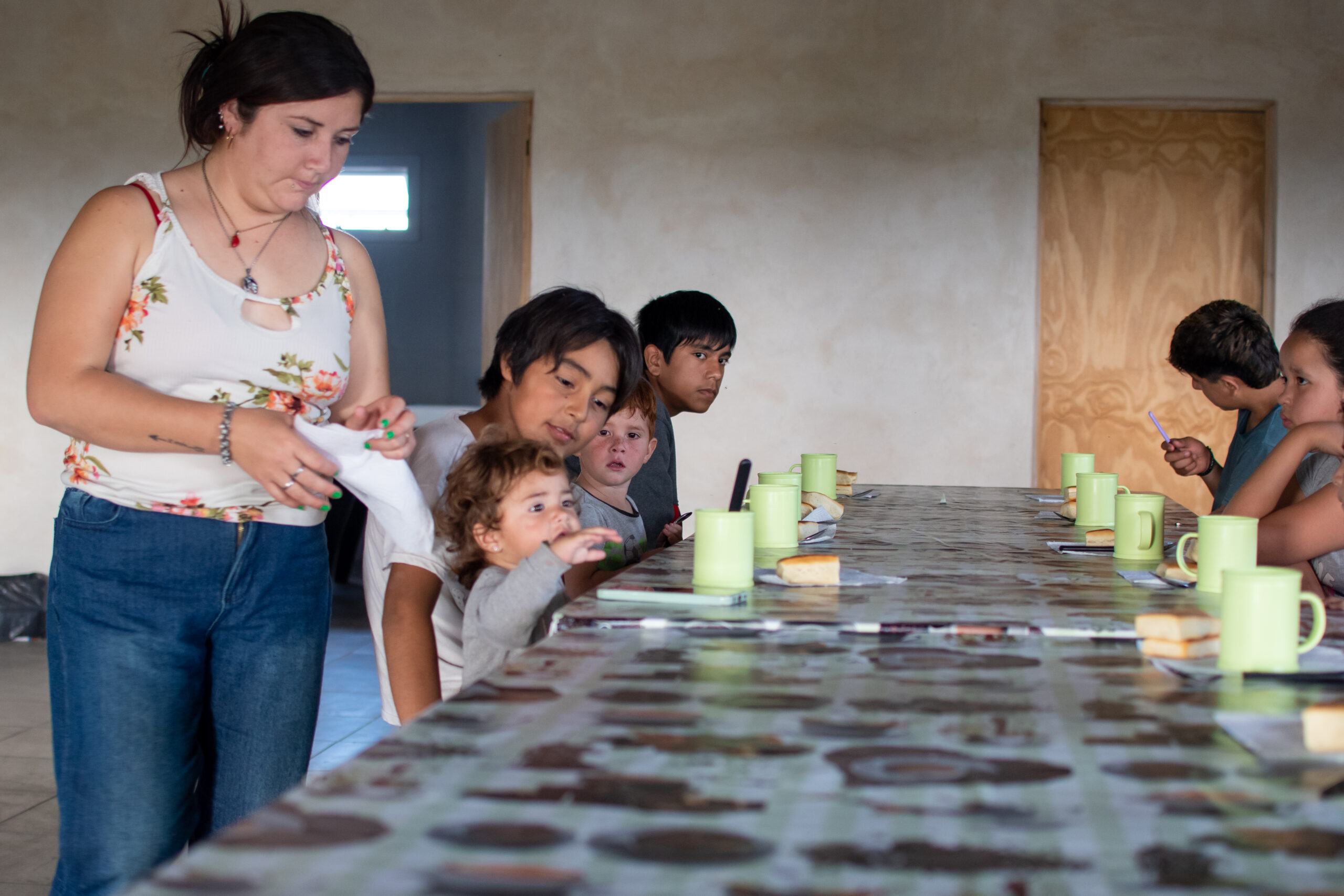
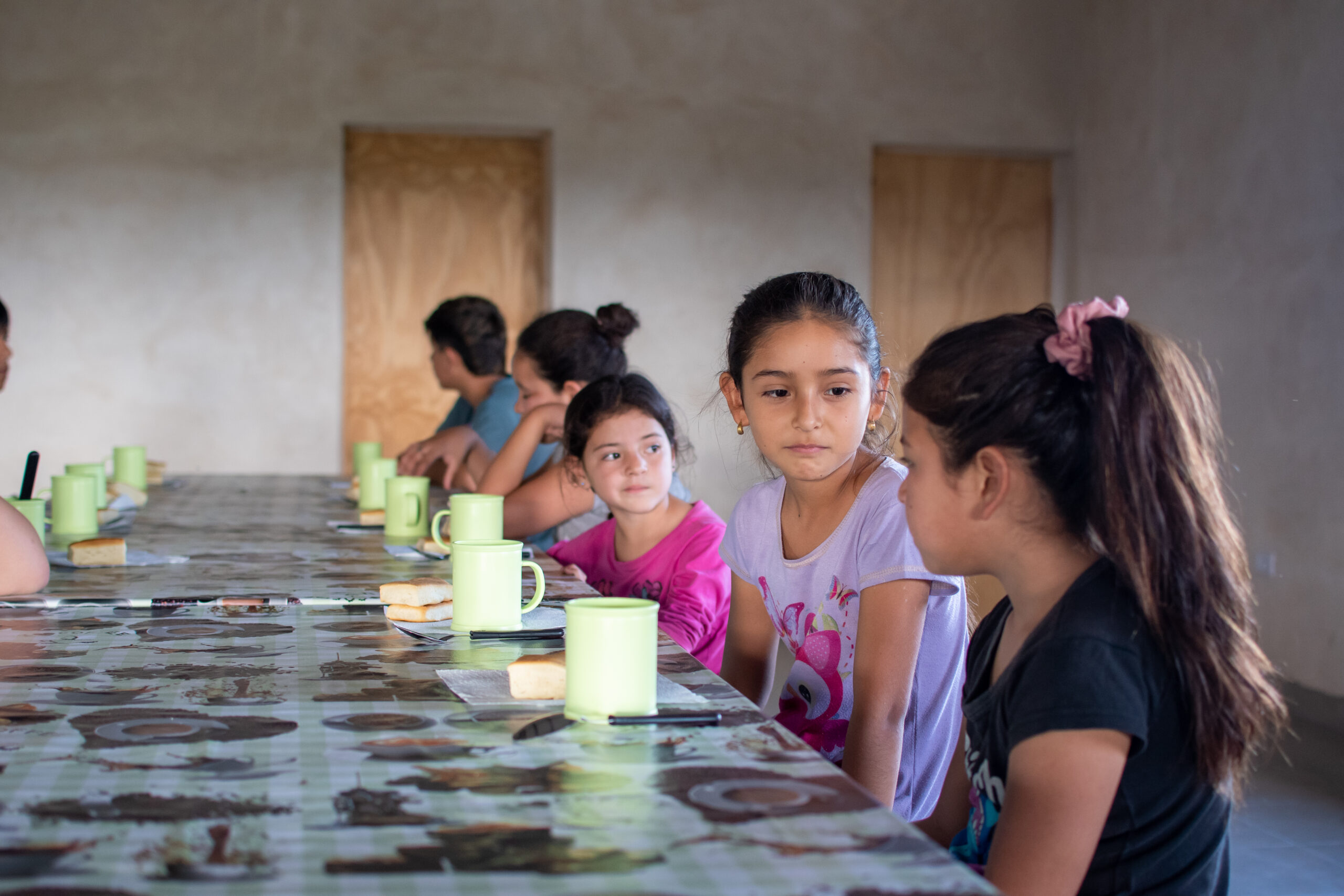
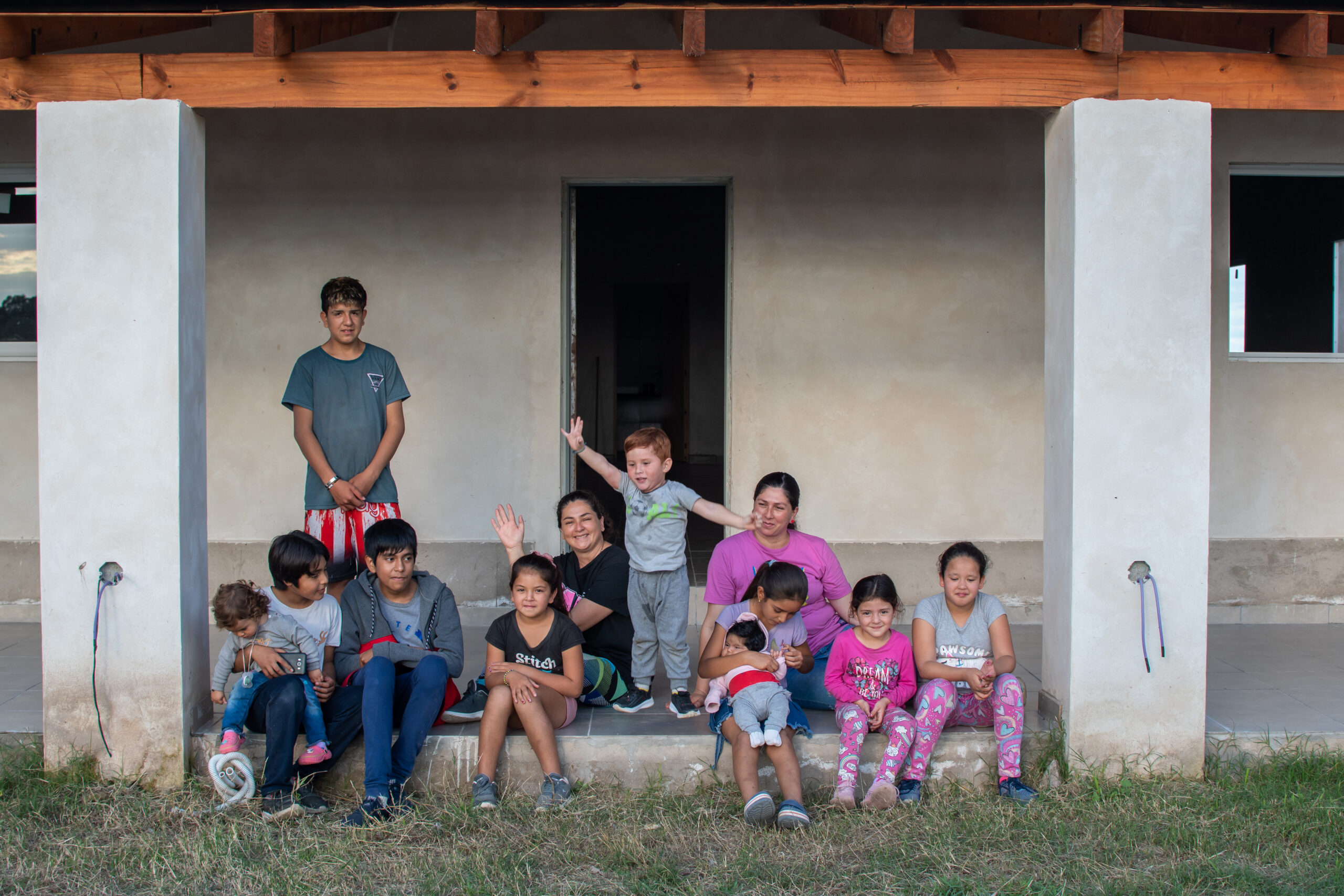
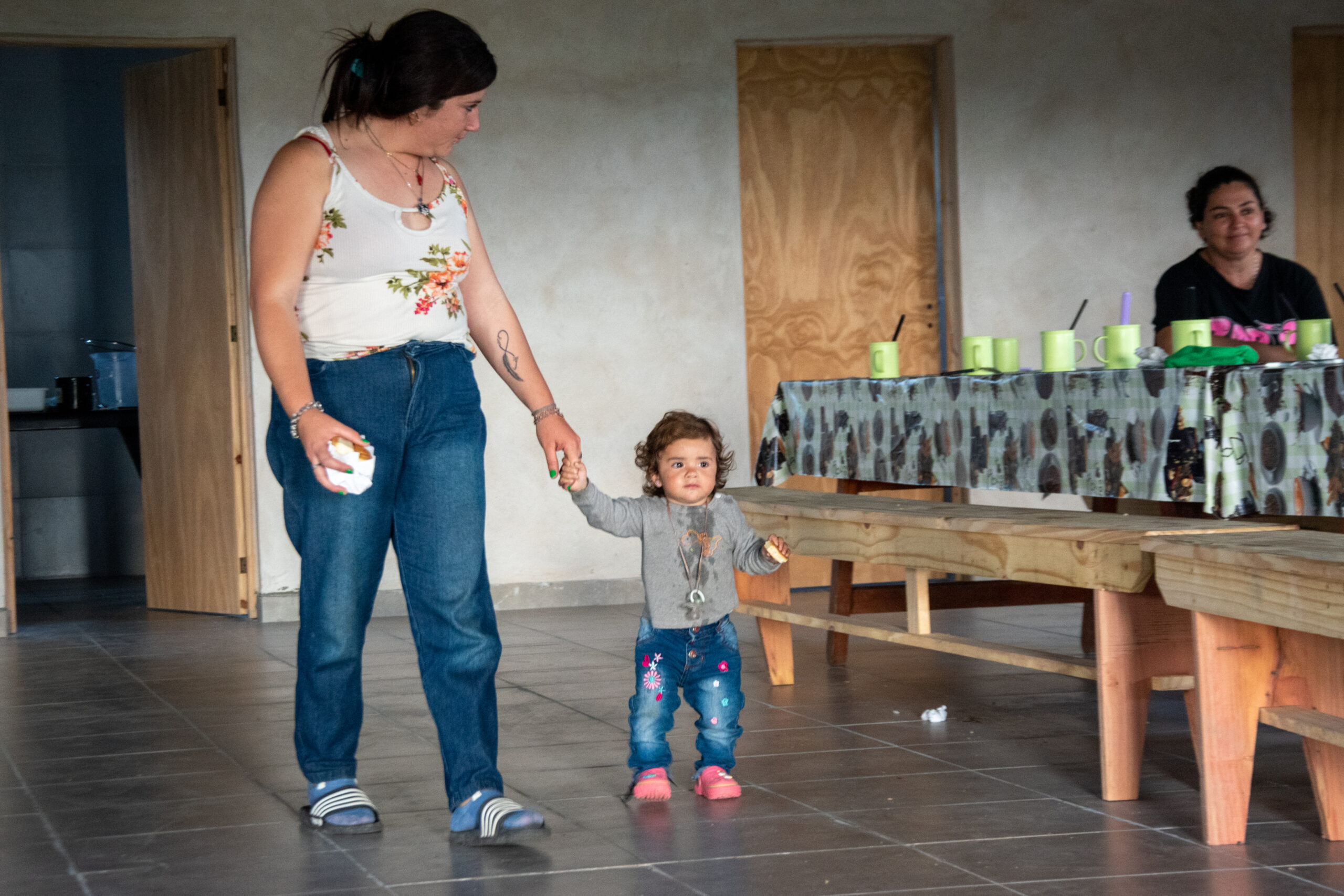
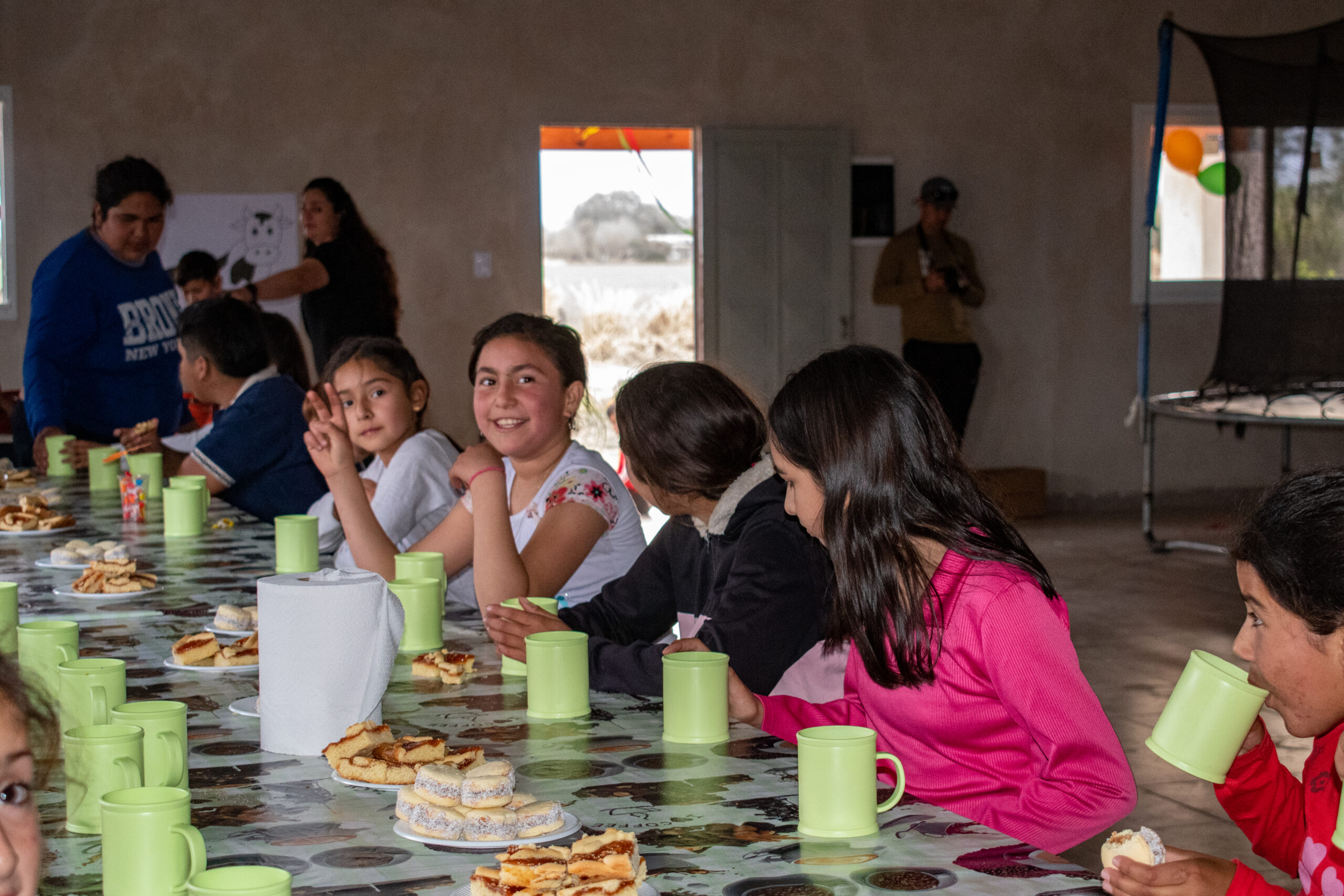
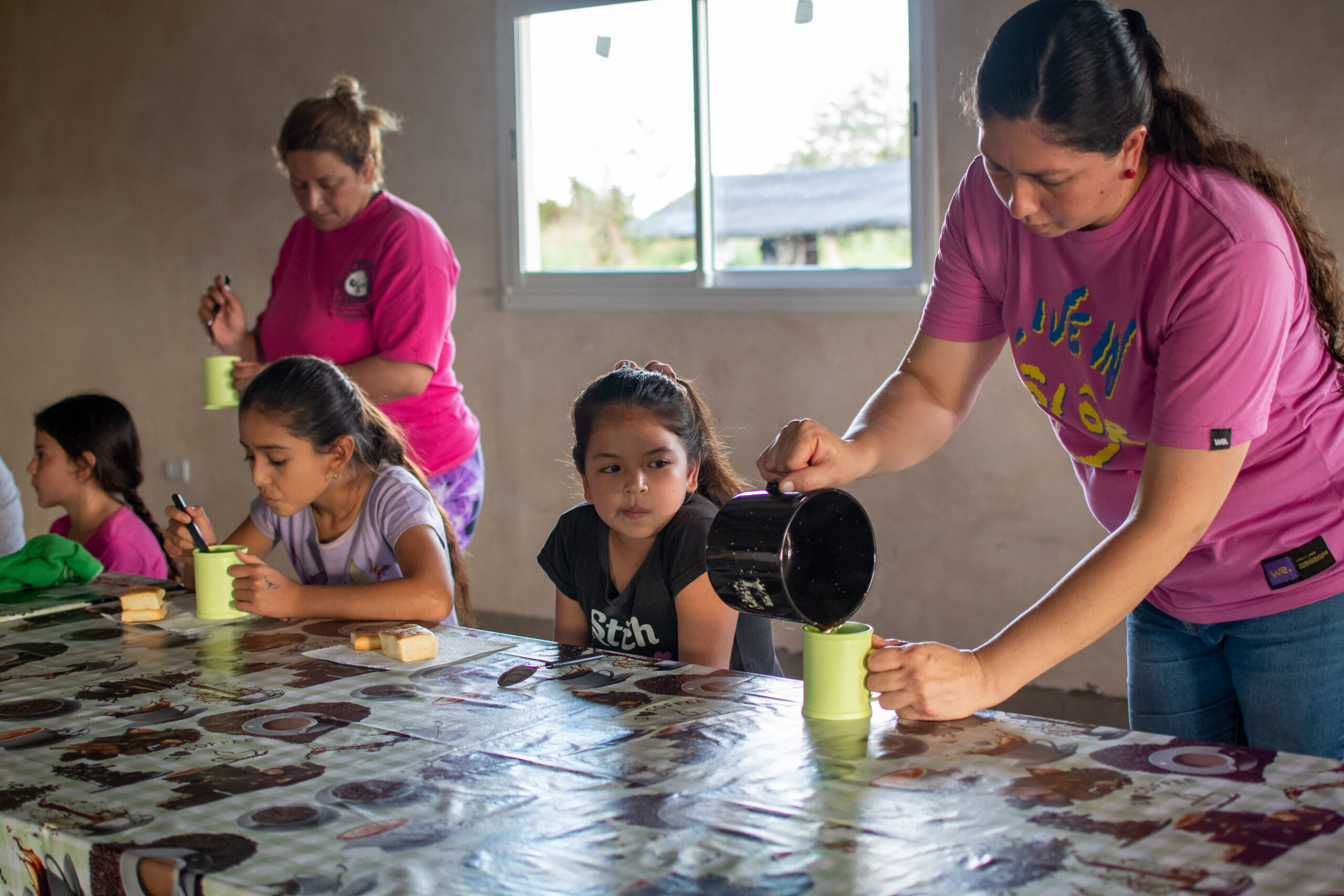
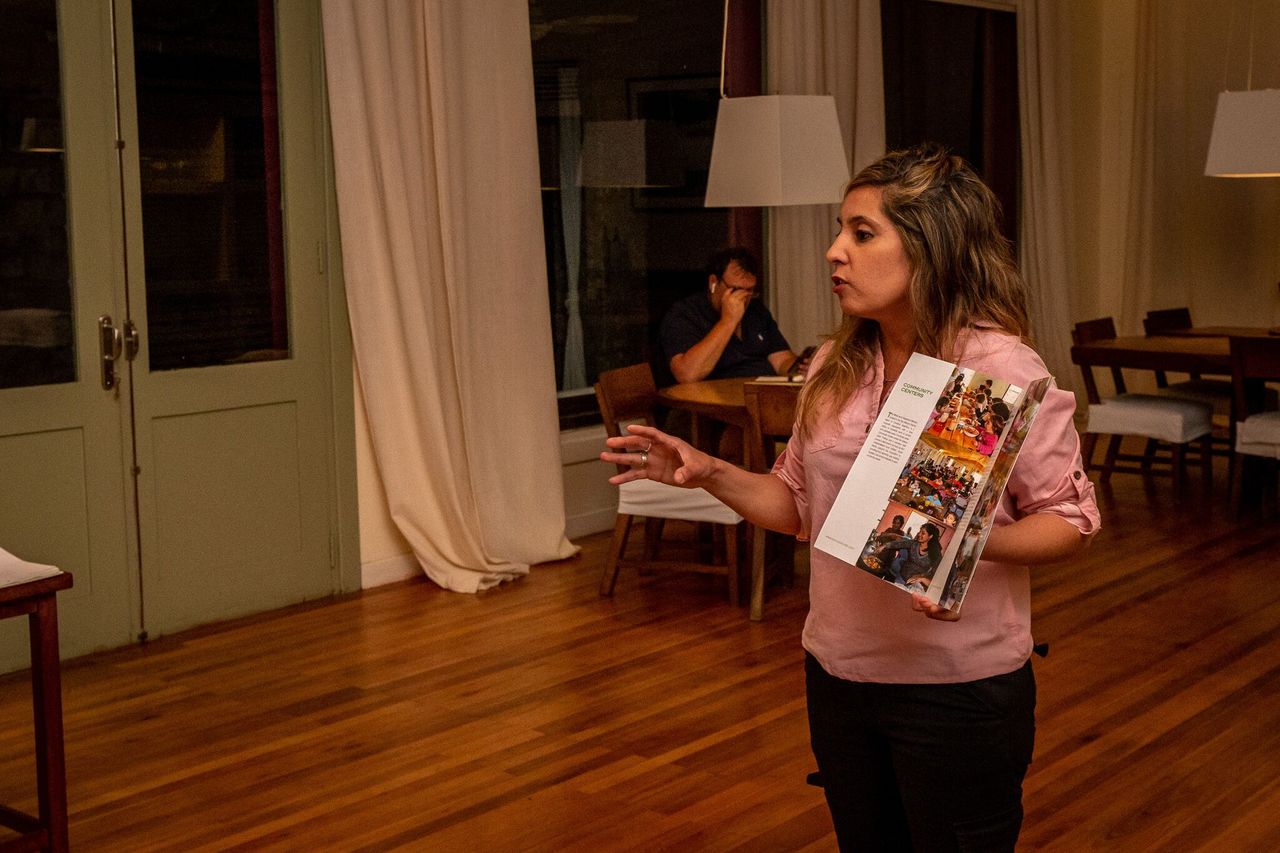
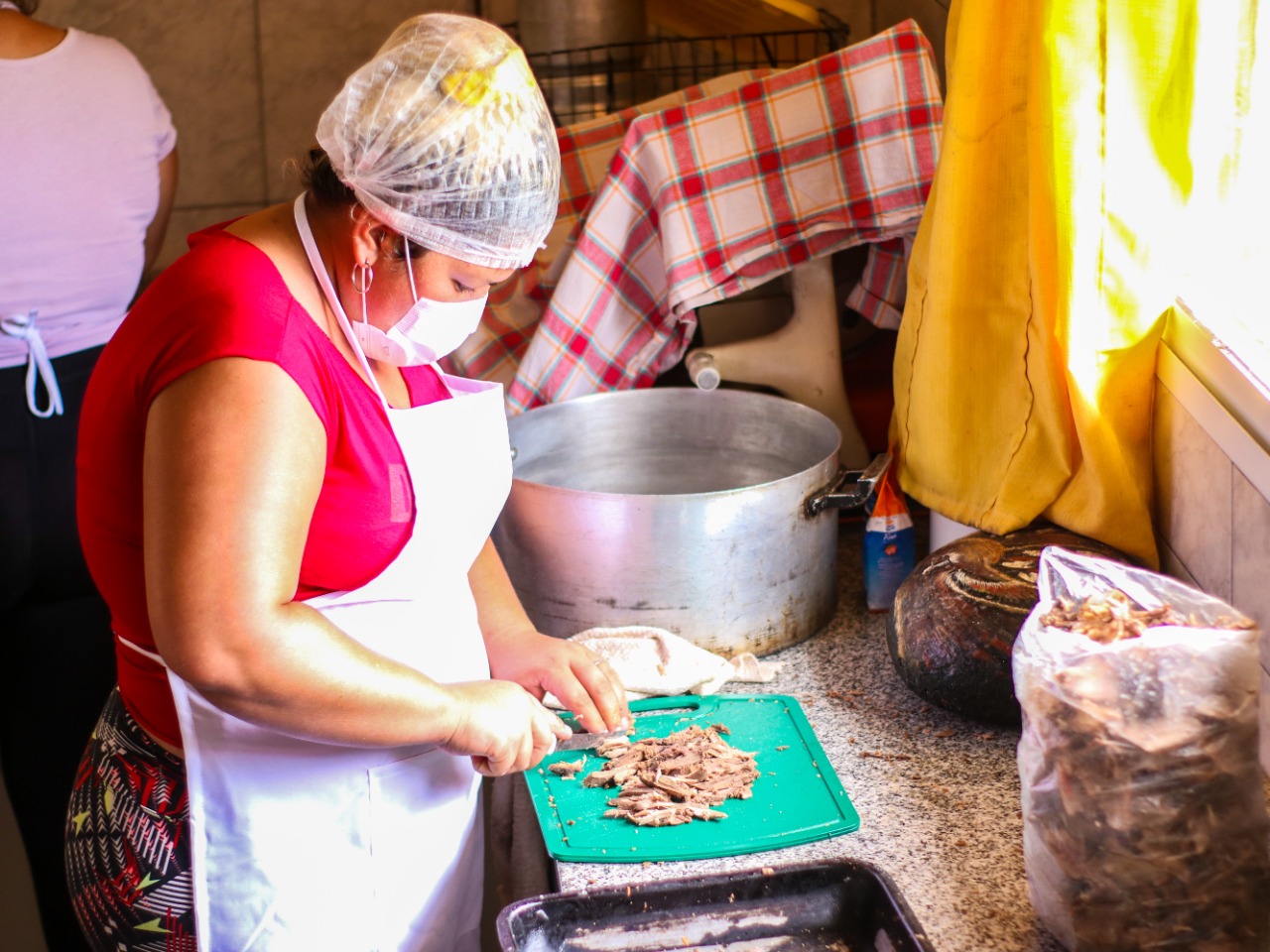
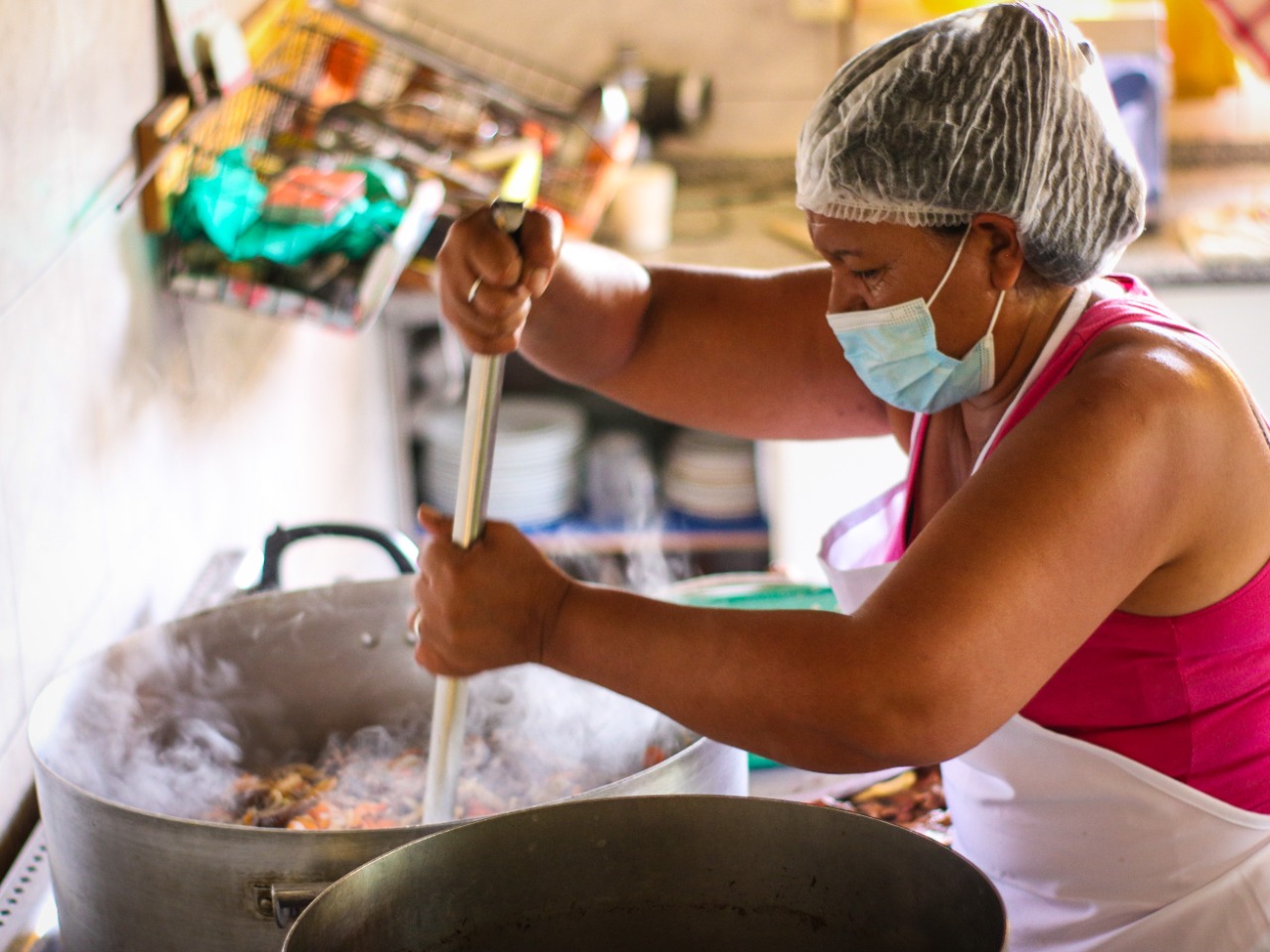
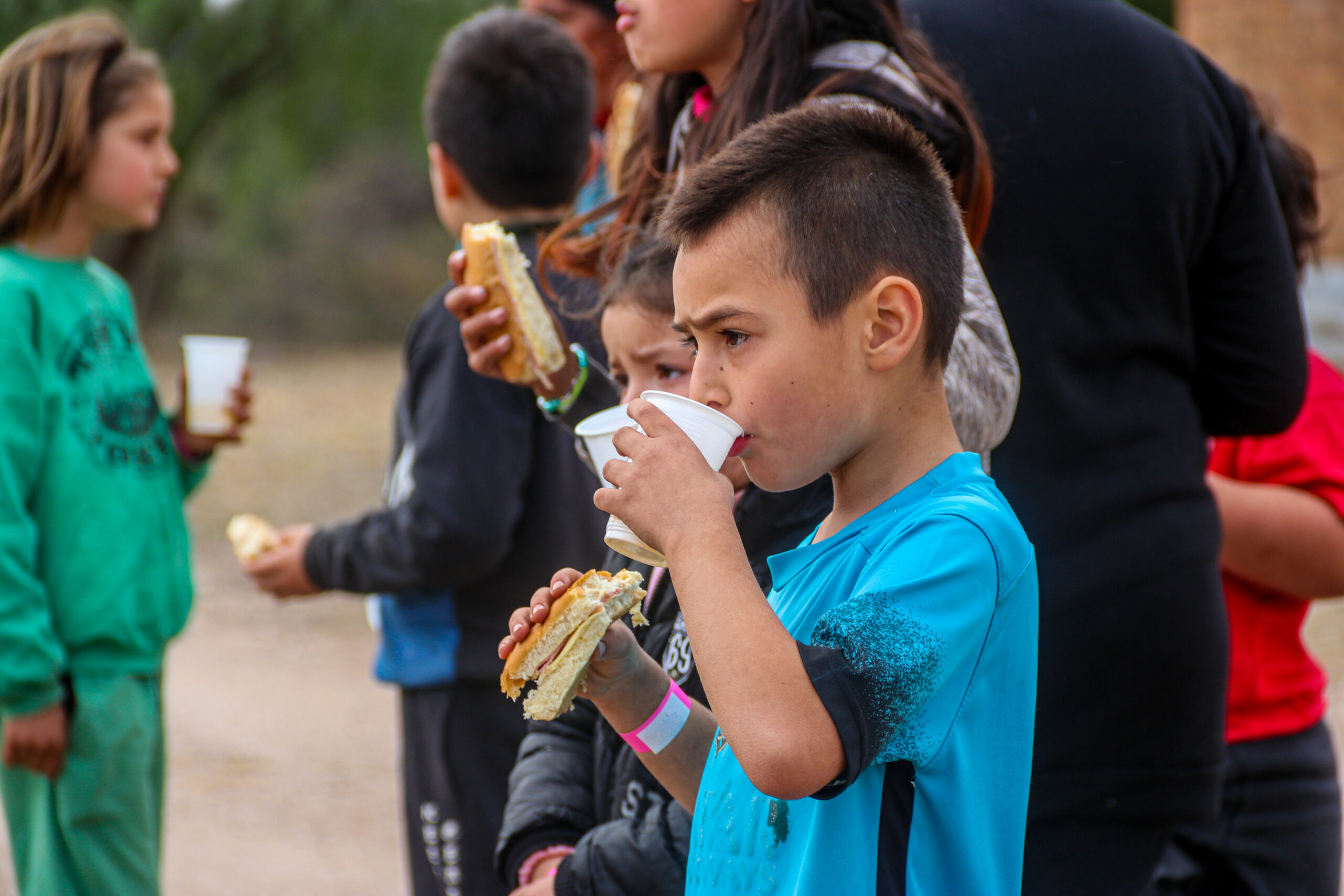
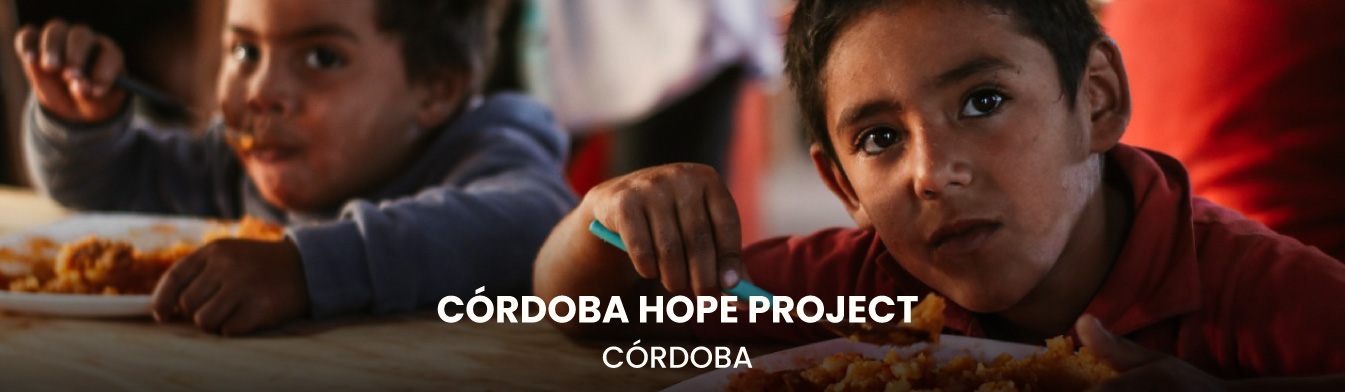
At the core of the program are the Córdoba Hope Projects, a network of 7 community centers developed in partnership with Fundación Misión Esperanza. Across these centers, children gather each afternoon to receive a meal and academic support, creating a consistent space that has become part of their daily routine.
Over time, these centers have grown into more than just places where meals are served. They provide structure, continuity, and a stable point of support for families across both peri-urban and rural areas of Cruz del Eje.
Through this partnership, David Denies plays a direct role in sustaining and developing the program. This includes not only funding the daily operation of each center—such as food, utilities, and overall maintenance—but also contributing to the construction and development of new community centers over time.
In addition, the academic support provided at the centers is backed through paid tutors, ensuring consistency beyond volunteer-based efforts.
What we accomplished this year — Córdoba Hope Projects
This year, the Córdoba Hope Projects continued to operate at full capacity, while incorporating targeted improvements to strengthen daily operations and overall conditions within the centers.
Across the 7 centers:
- 600 children attended daily.
- 3,000 meals were served weekly, reaching approximately 12,000 meals per month.
Alongside the daily operation, David Denies also supported key infrastructure improvements aimed at increasing efficiency and improving conditions within the centers:
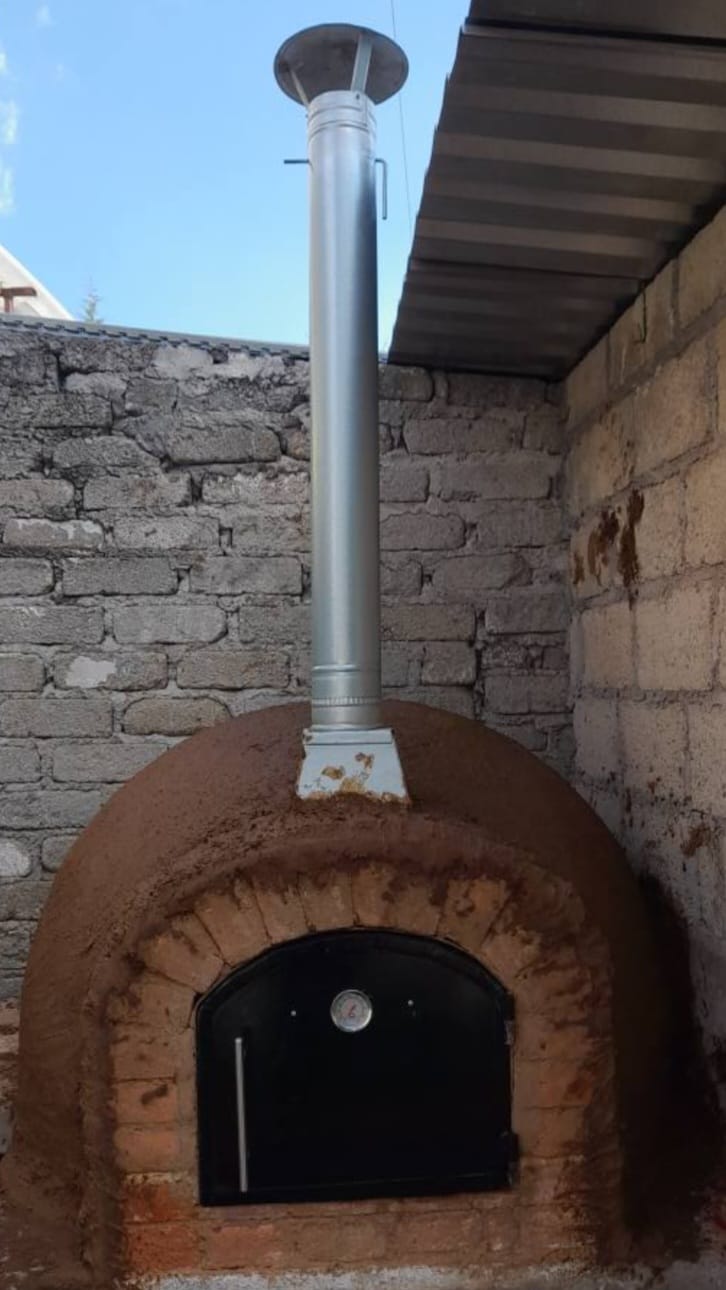
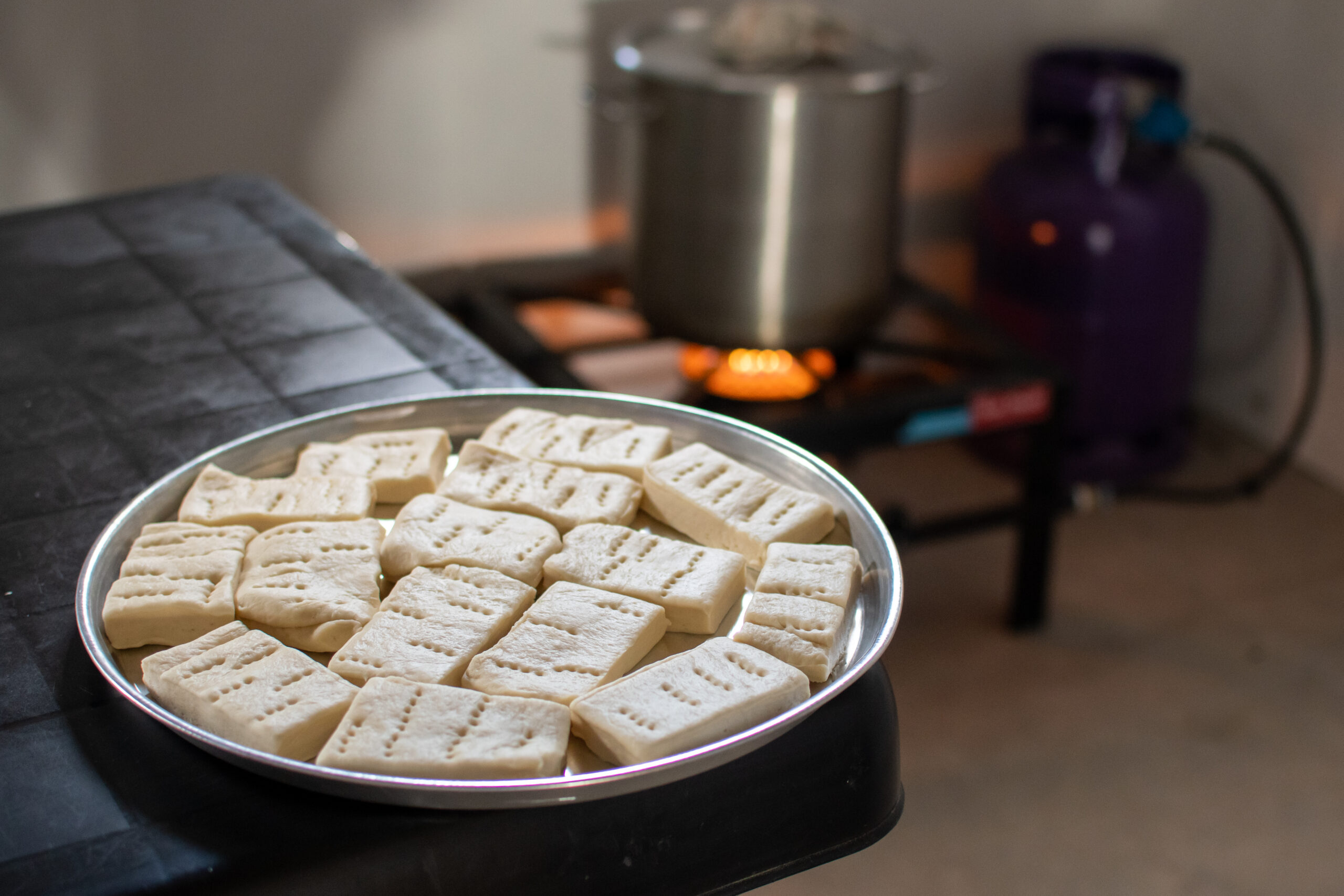
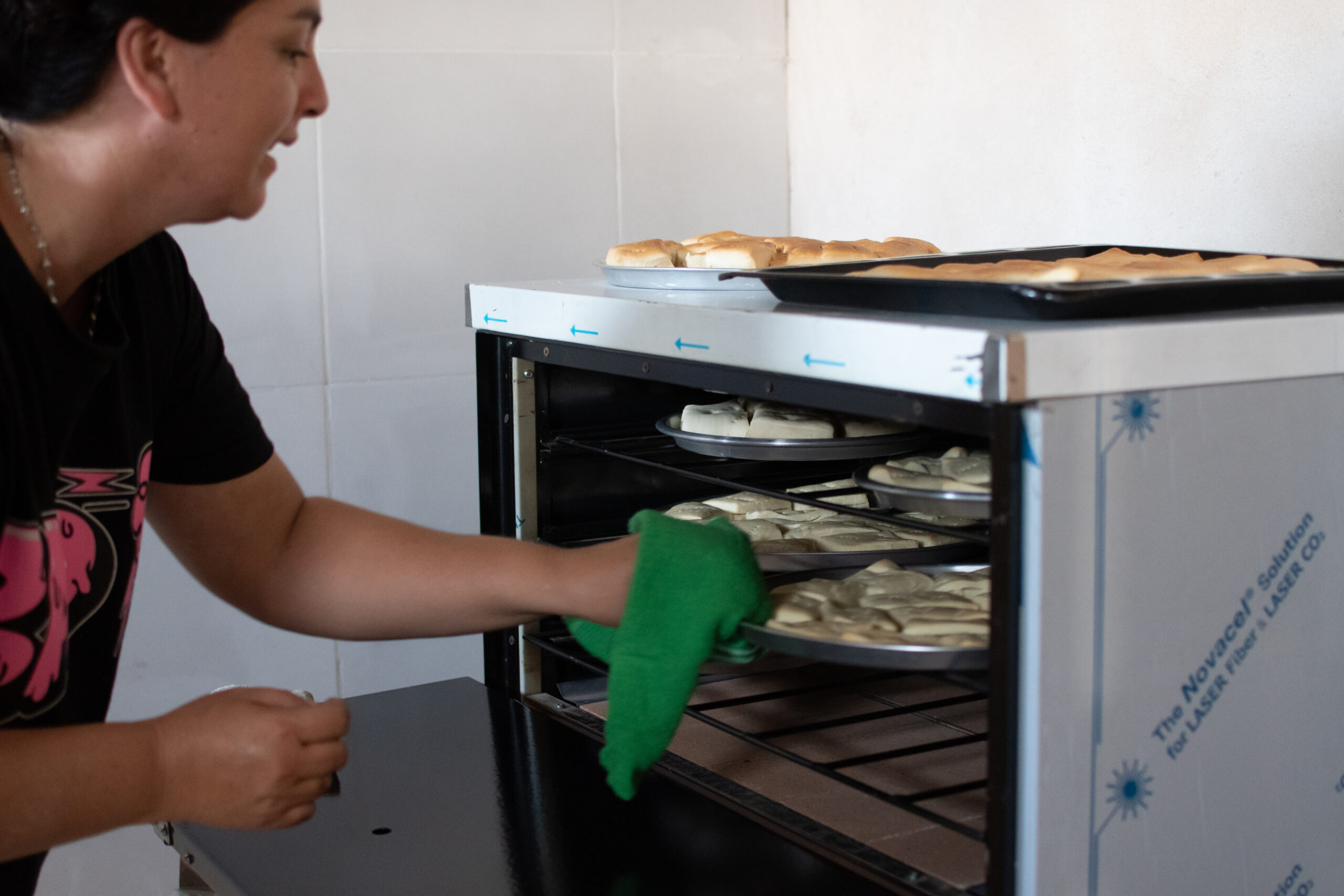
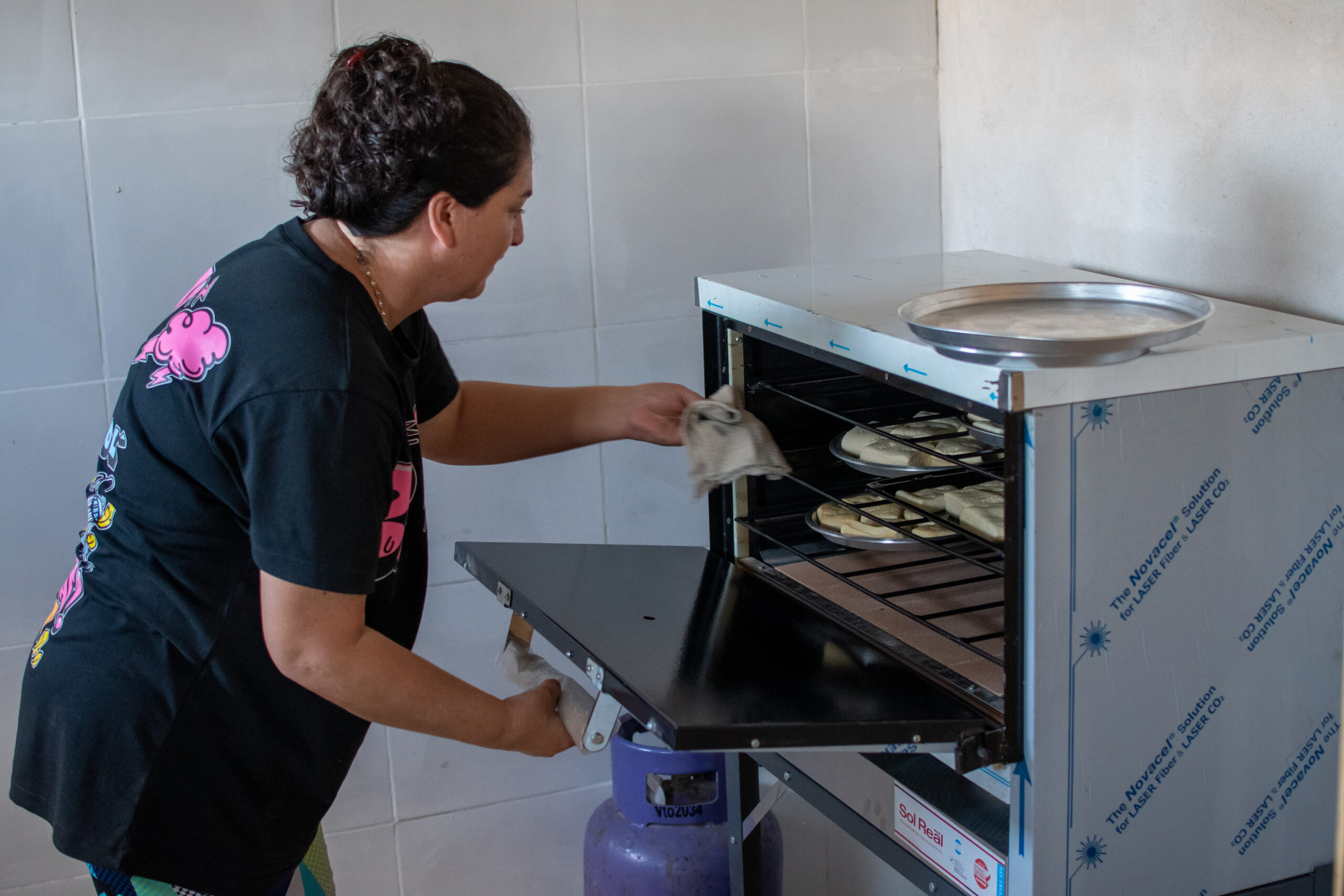
- 7 eco-efficient ovens were constructed, improving cooking efficiency while reducing fuel consumption through the use of reusable materials.
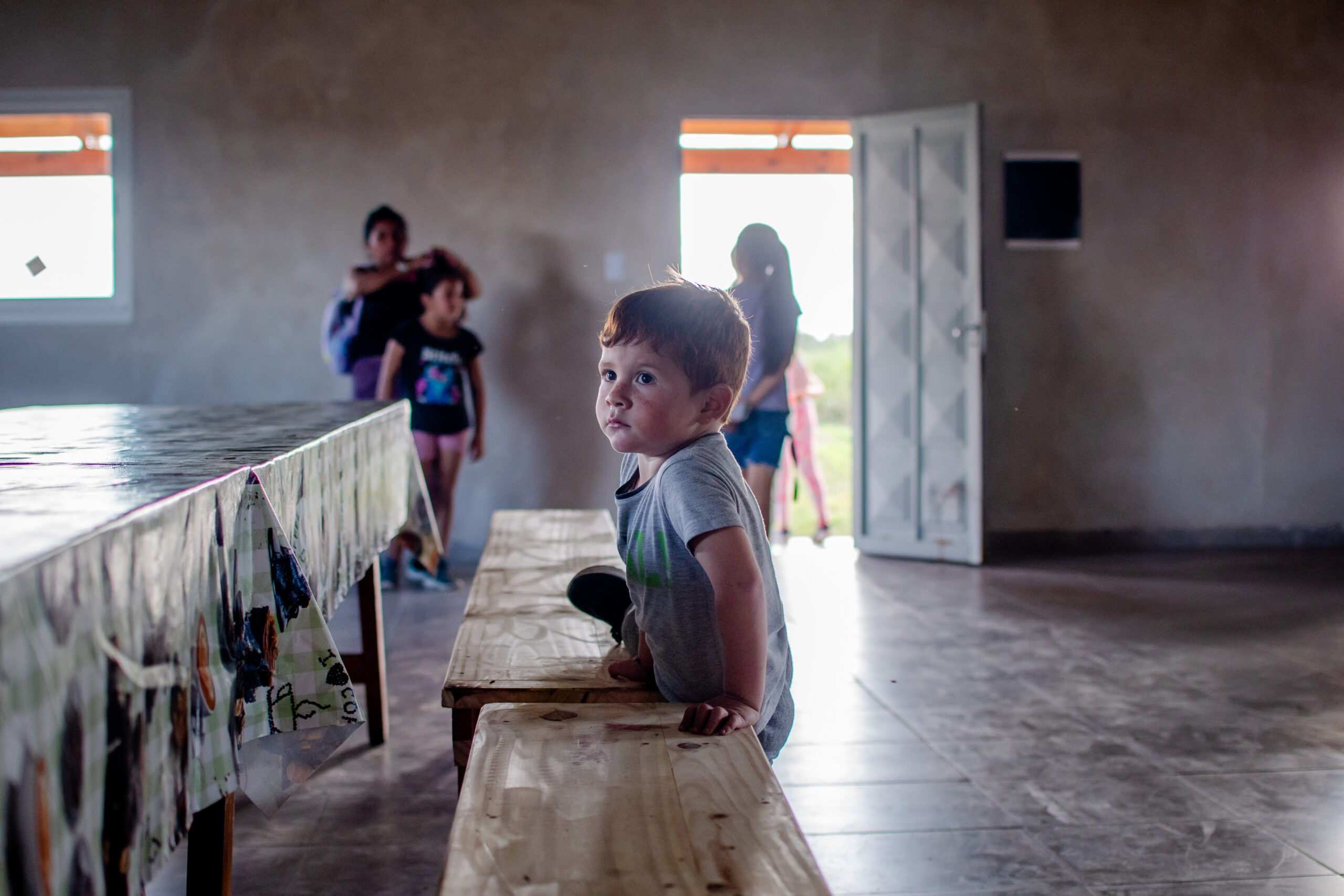
- Dining areas were upgraded, with new tables and seating installed in 5 centers, enhancing both comfort and safety.
These improvements reflect a broader effort not only to sustain the program, but to continuously improve how it operates on a daily basis.
Tucumán Hope Project
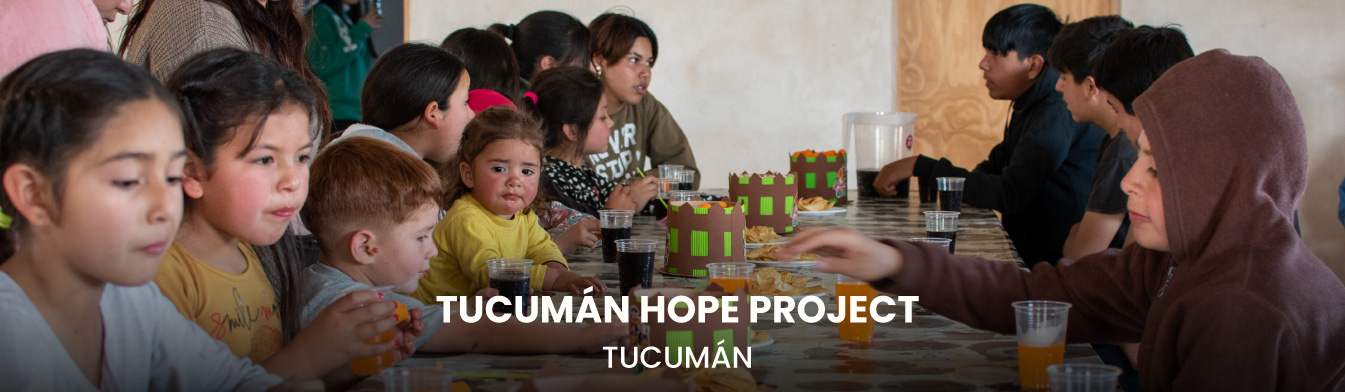
Building on the structure developed through the Córdoba Hope Projects, the program expanded into a rural area of Tucumán, where access to consistent daily nutrition is more limited.
This expansion also reflects the growth of David Denies’ operations in the region, where the company now runs two lodges, Tucumán Lodge and El Tobar Camp. As the presence in the area increased, so did the opportunity to support local communities in a more direct and consistent way. The Tucumán Hope Project was established to respond to this need, creating a new community center where children gather each afternoon to receive a meal. While smaller in scale, the program follows the same principles, providing stability, routine, and a reliable point of support within the community.
Through this initiative, David Denies supported both the development and ongoing operation of the center, including food provision and all associated day-to-day costs required to keep the program running. Unlike Córdoba, where the program operates through volunteer cooks, the Tucumán Hope Project employs its cooking staff, whose salaries are funded as part of the program to ensure continuity in a context where volunteer-based systems are more difficult to sustain.
What we accomplished this year — Tucumán Hope Project
This year marked the full implementation and consolidation of the Tucumán Hope Project.
- 30 children attended daily.
- 140 meals were served weekly, reaching approximately 600 meals per month.
While modest in size, the program represents a meaningful expansion, bringing the same structure and commitment developed in Córdoba to a new region.
From field to table: Dove harvest
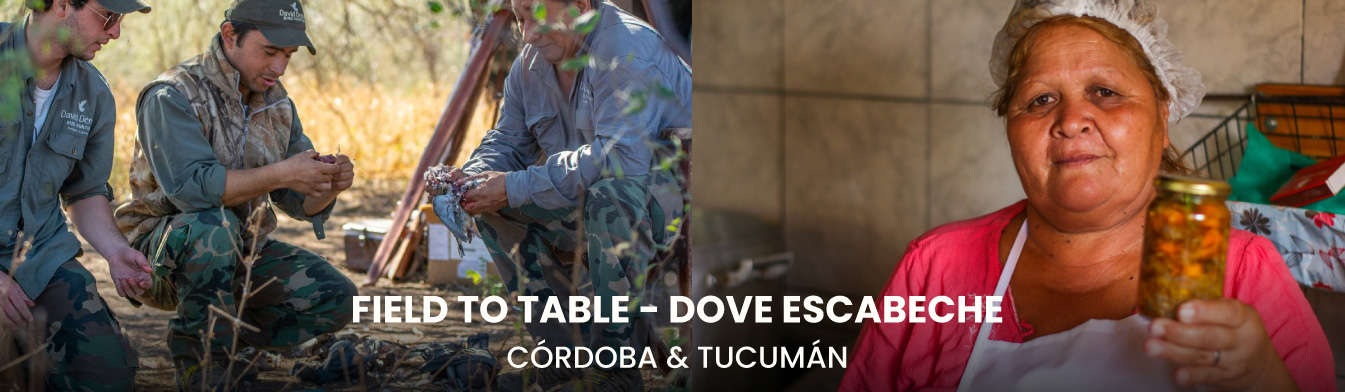
Across both the Córdoba Hope Projects and the Tucumán Hope Project, part of the daily operation is supported through resources generated directly within our programs.
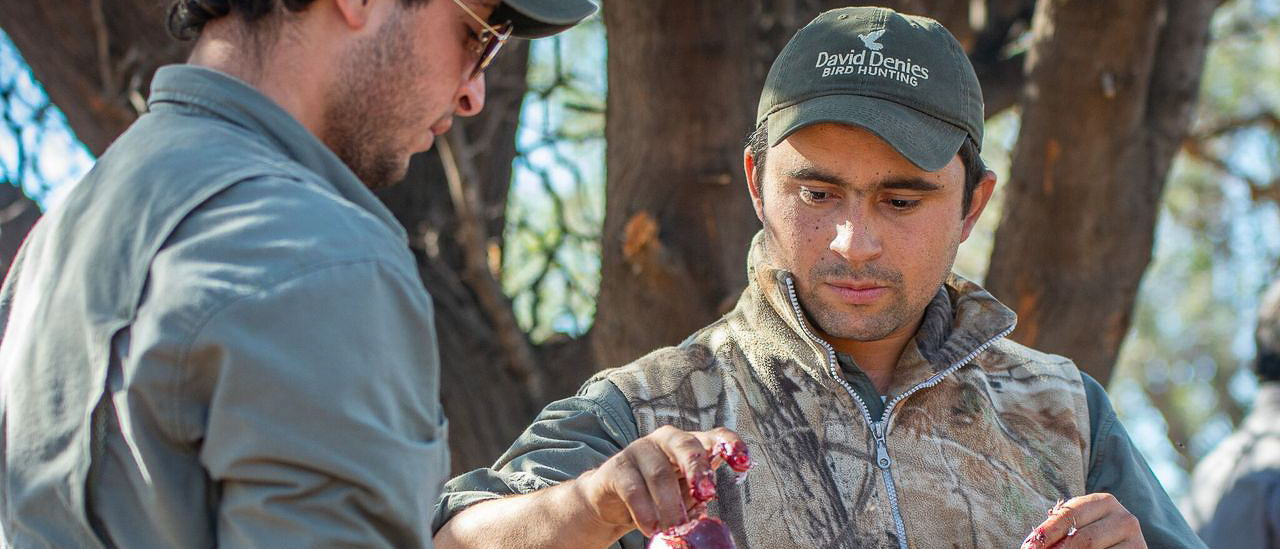
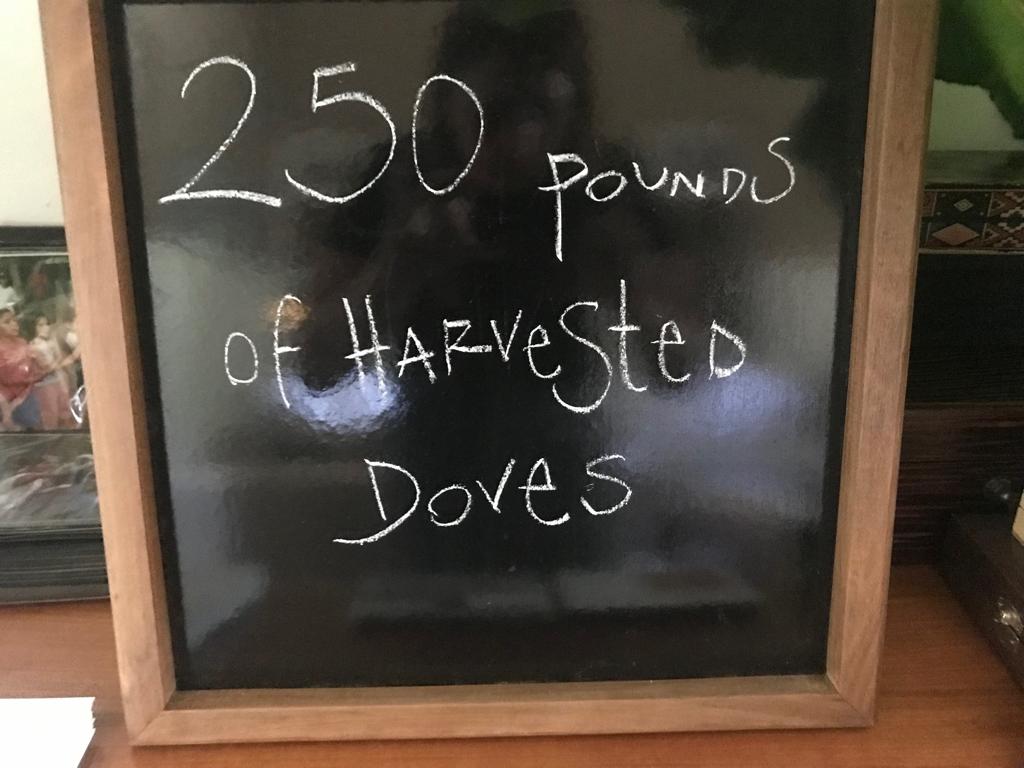
Each week, dove breasts harvested during shooting programs are processed, frozen, and distributed to the community centers, where they are incorporated into the meals prepared for the children. Over time, this has become a consistent and reliable source of protein within the nutrition program.
This process is coordinated and supported by David Denies, including the collection, preparation, storage, and distribution of the meat from the lodges to the different community centers.
The integration of dove meat into daily meals required a gradual process, working alongside local cooks to adapt preparation methods and ensure it could be incorporated in ways that were both familiar and well received within each community.
Today, it forms a regular part of the weekly meal structure, directly connecting what happens in the field with the impact generated in the communities.
What we accomplished this year — From field to table
This process continued consistently throughout the year, supplying all community centers in Córdoba and Tucumán with dove meat on a weekly basis, where it was integrated into daily meal programs as a reliable source of protein.
Dove escabeche
The same idea that brings dove meat into the community centers also gave rise to another initiative.
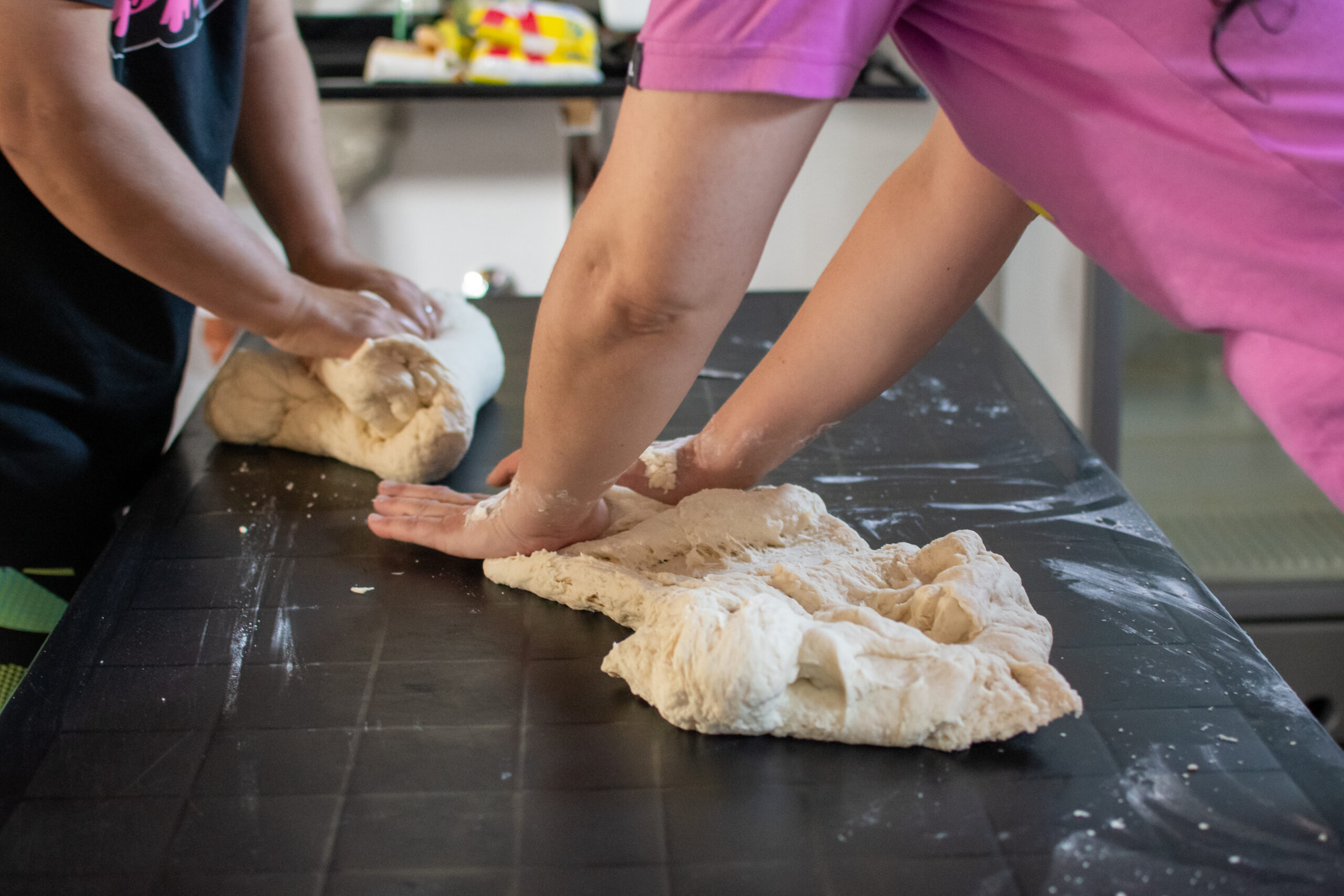
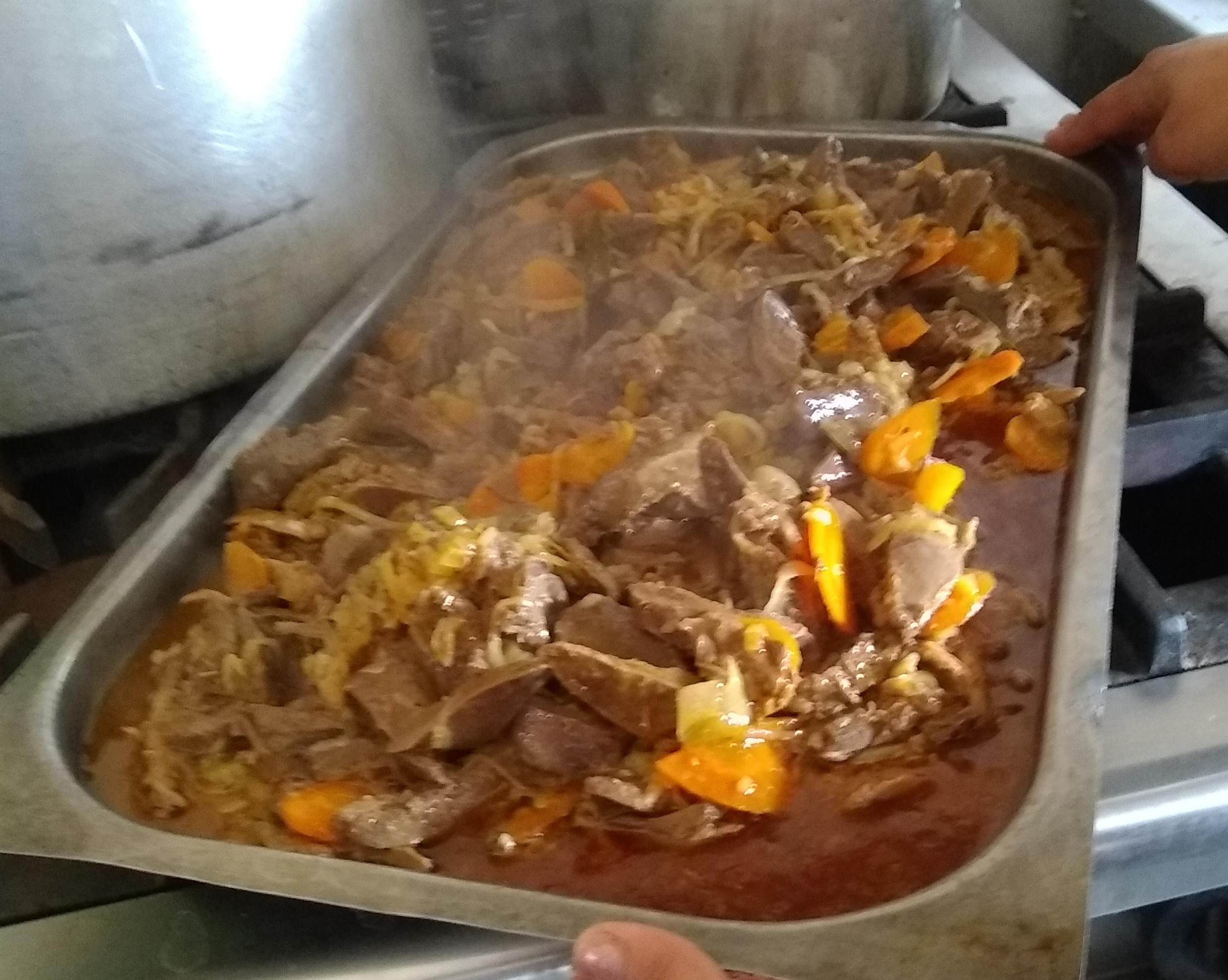
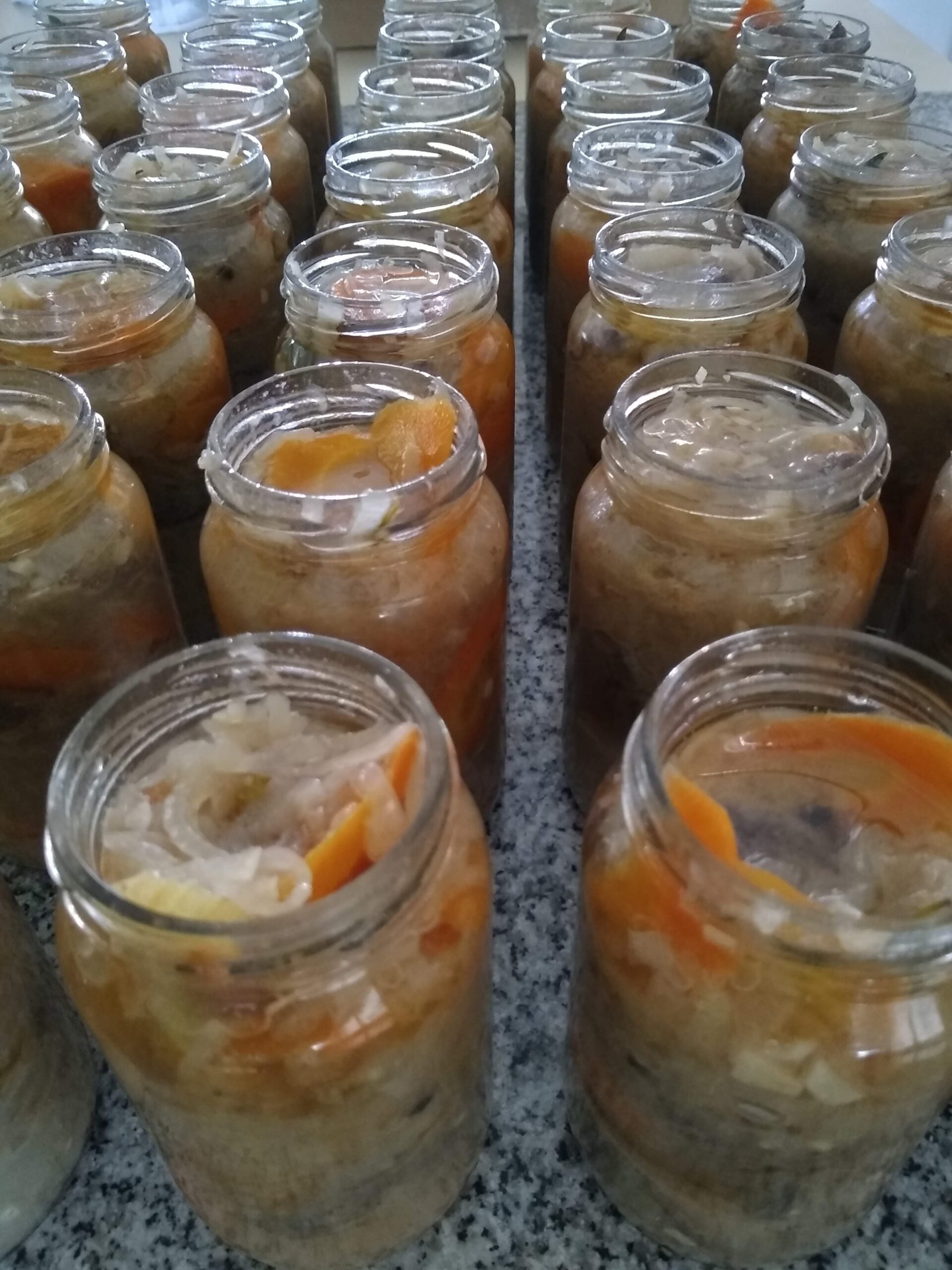
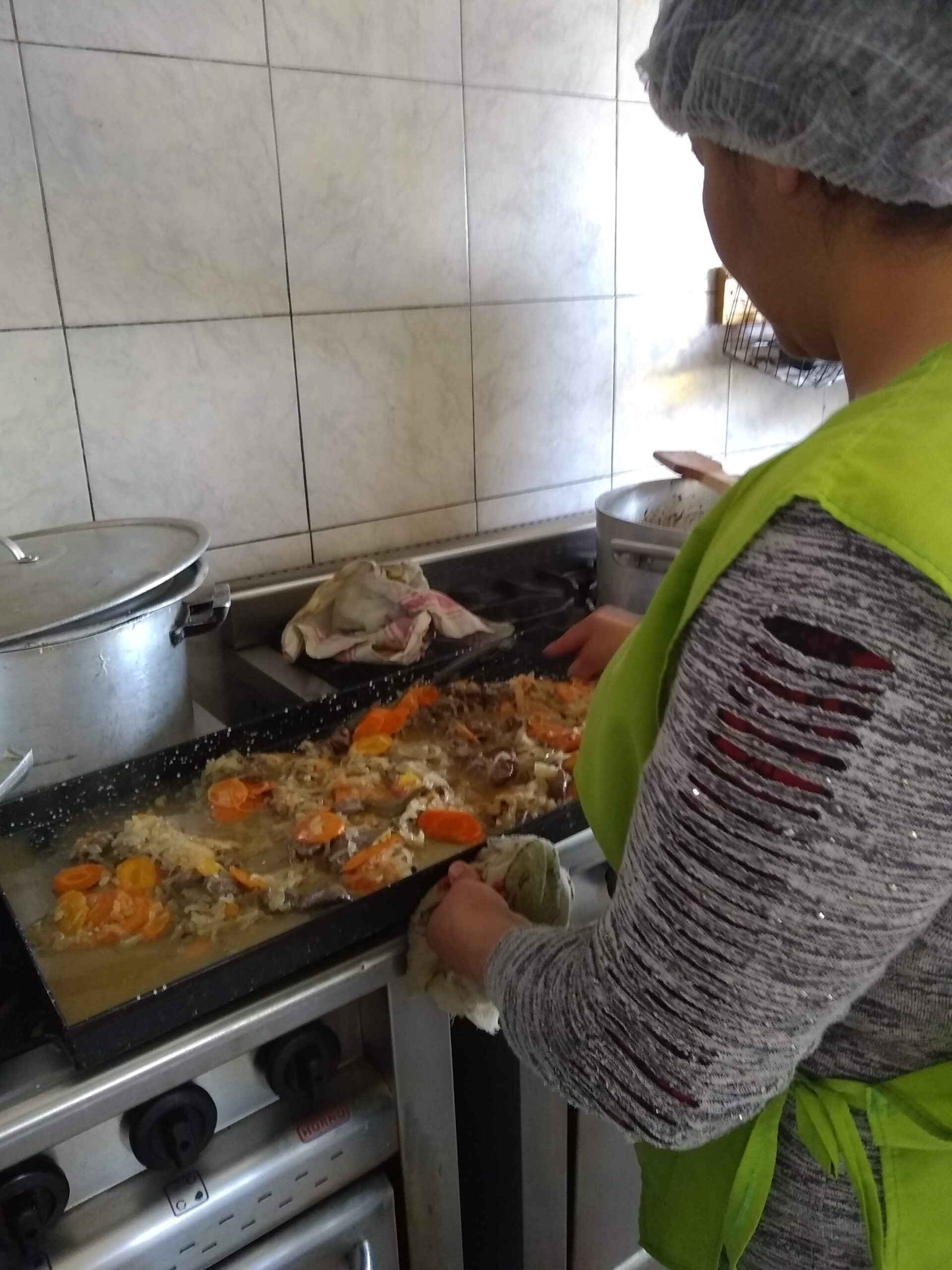
Dove escabeche is a traditional Argentine preparation made with dove meat, slowly cooked and preserved with vinegar, vegetables, and spices. Within the program, it is prepared by women linked to the community centers, using dove meat along with ingredients provided by David Denies.
The women are paid for their work, creating a direct source of income tied to the preparation of each batch.
The escabeche is then served to guests at the lodges, offering a simple and authentic way to share what happens beyond the field. It allows guests to experience not only the product itself, but also the story behind it.
Each jar carries that connection forward, linking the experience in the field with the communities supported through the program in a tangible way.
Health on Wheels
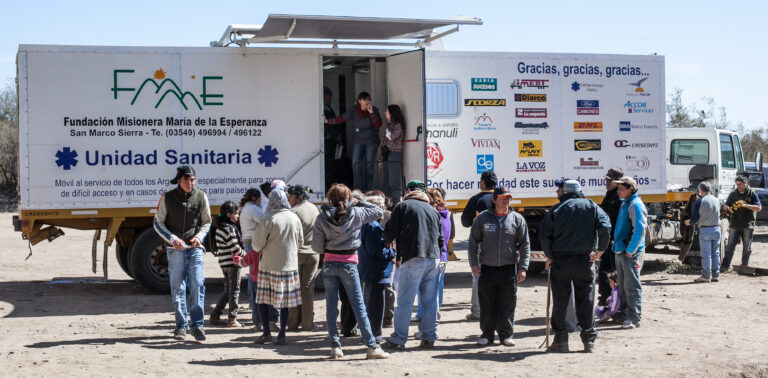
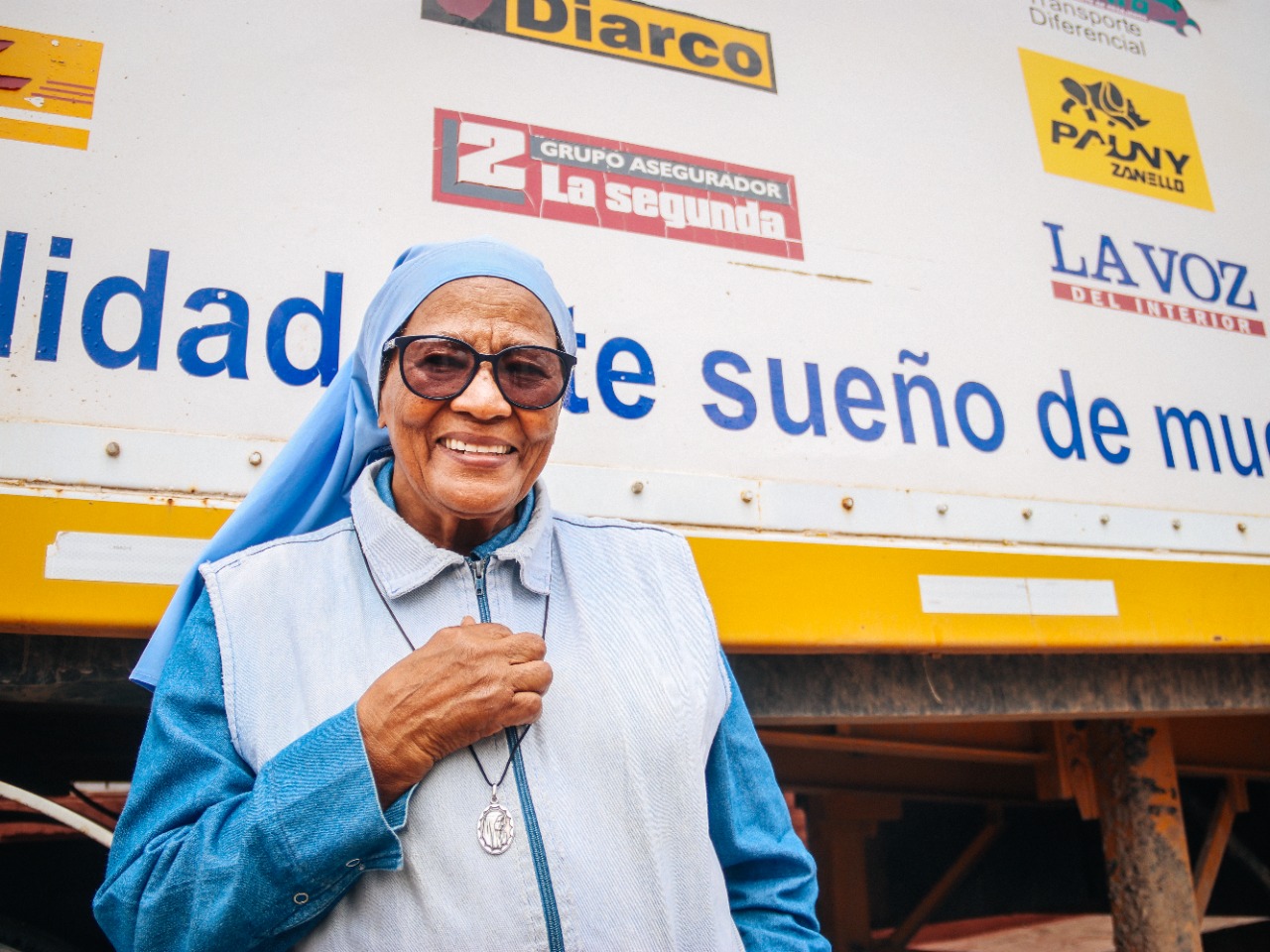
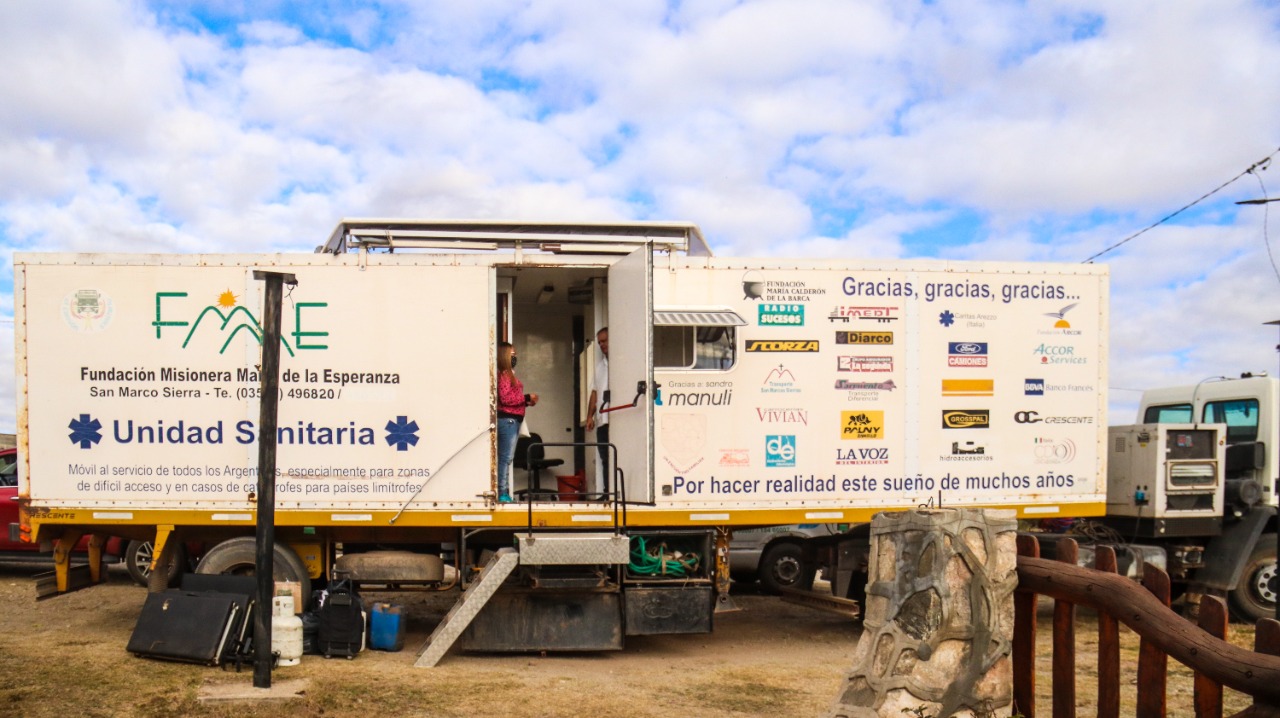
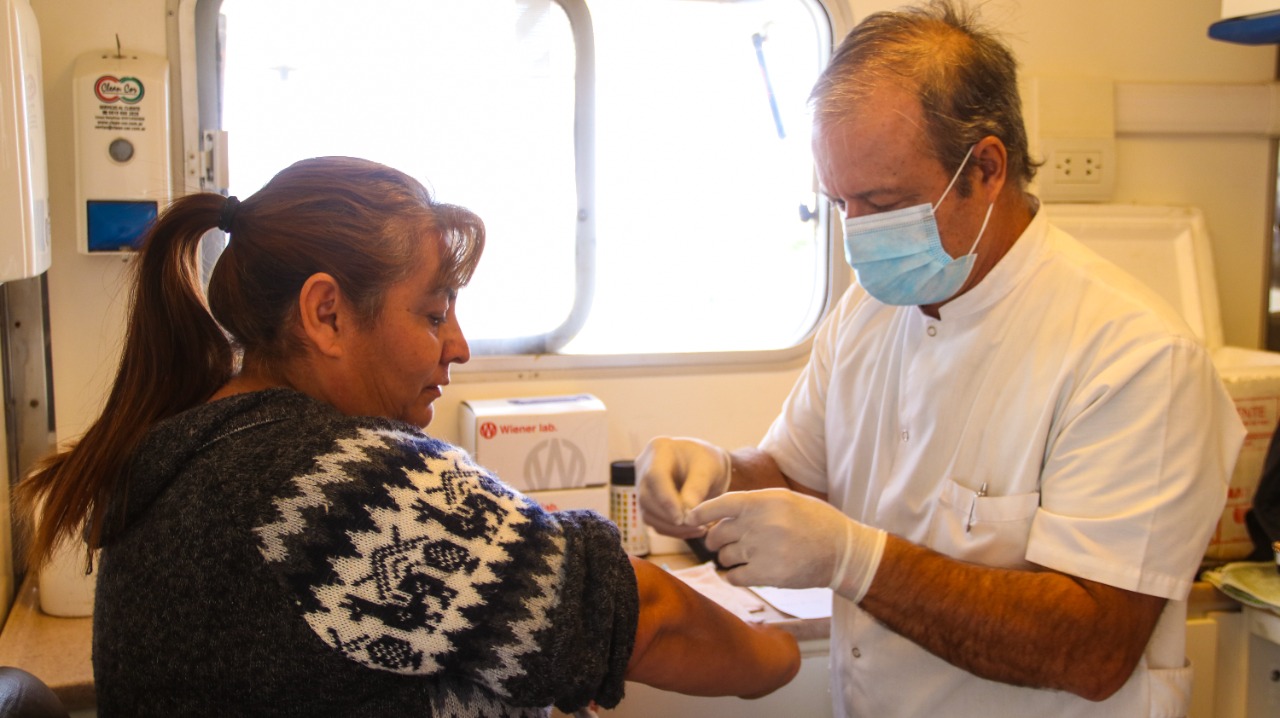
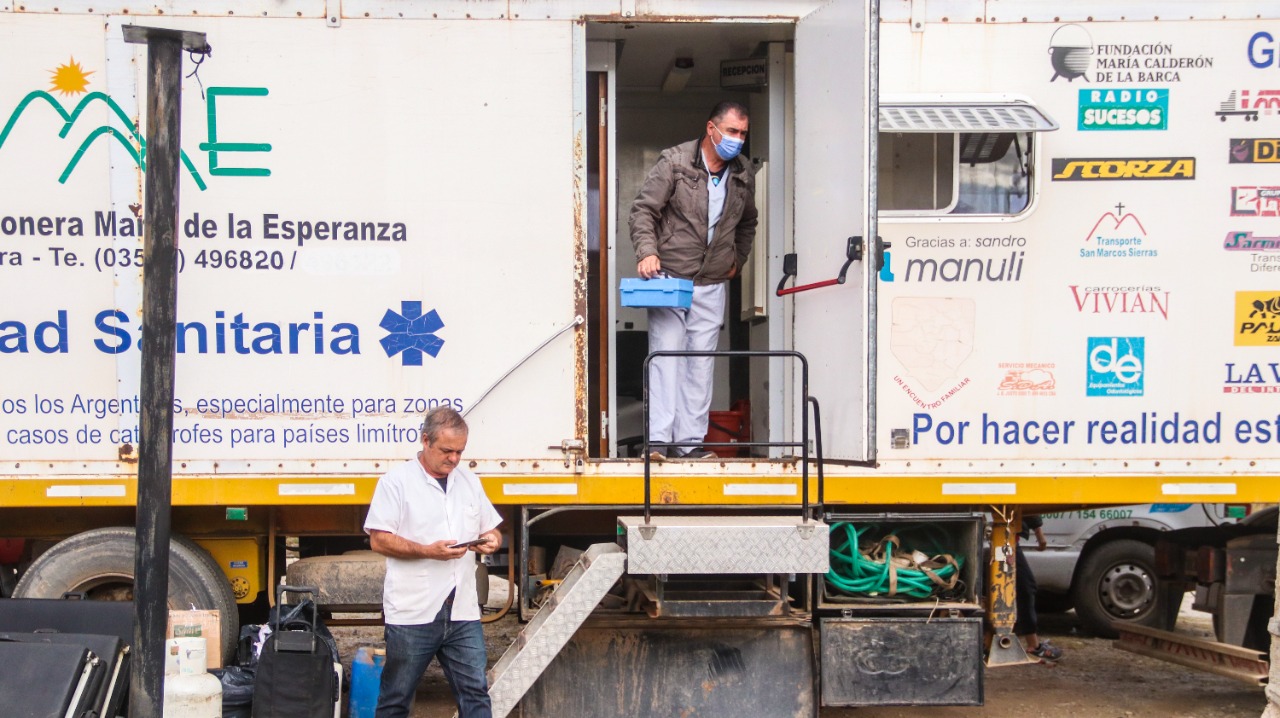
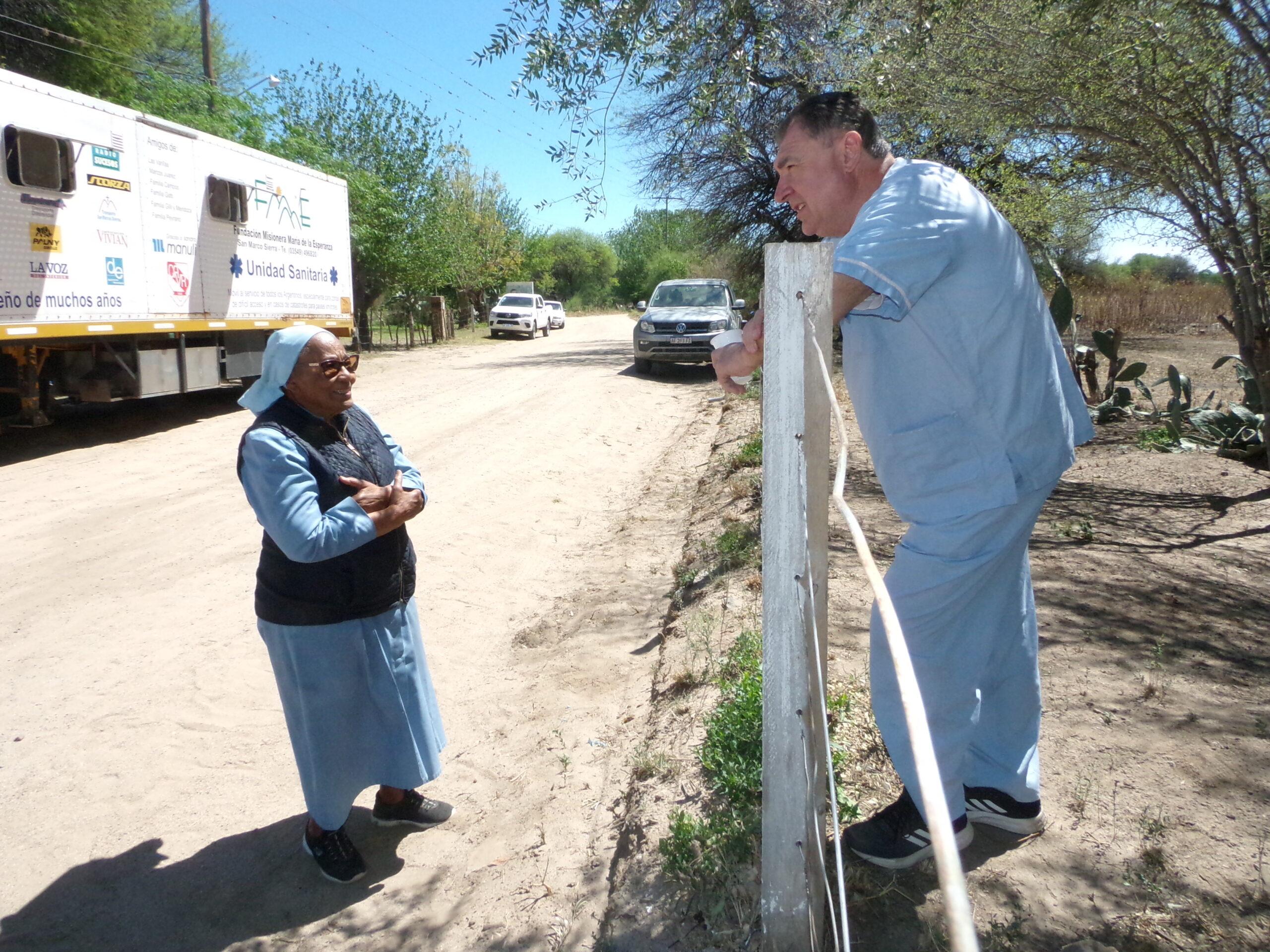
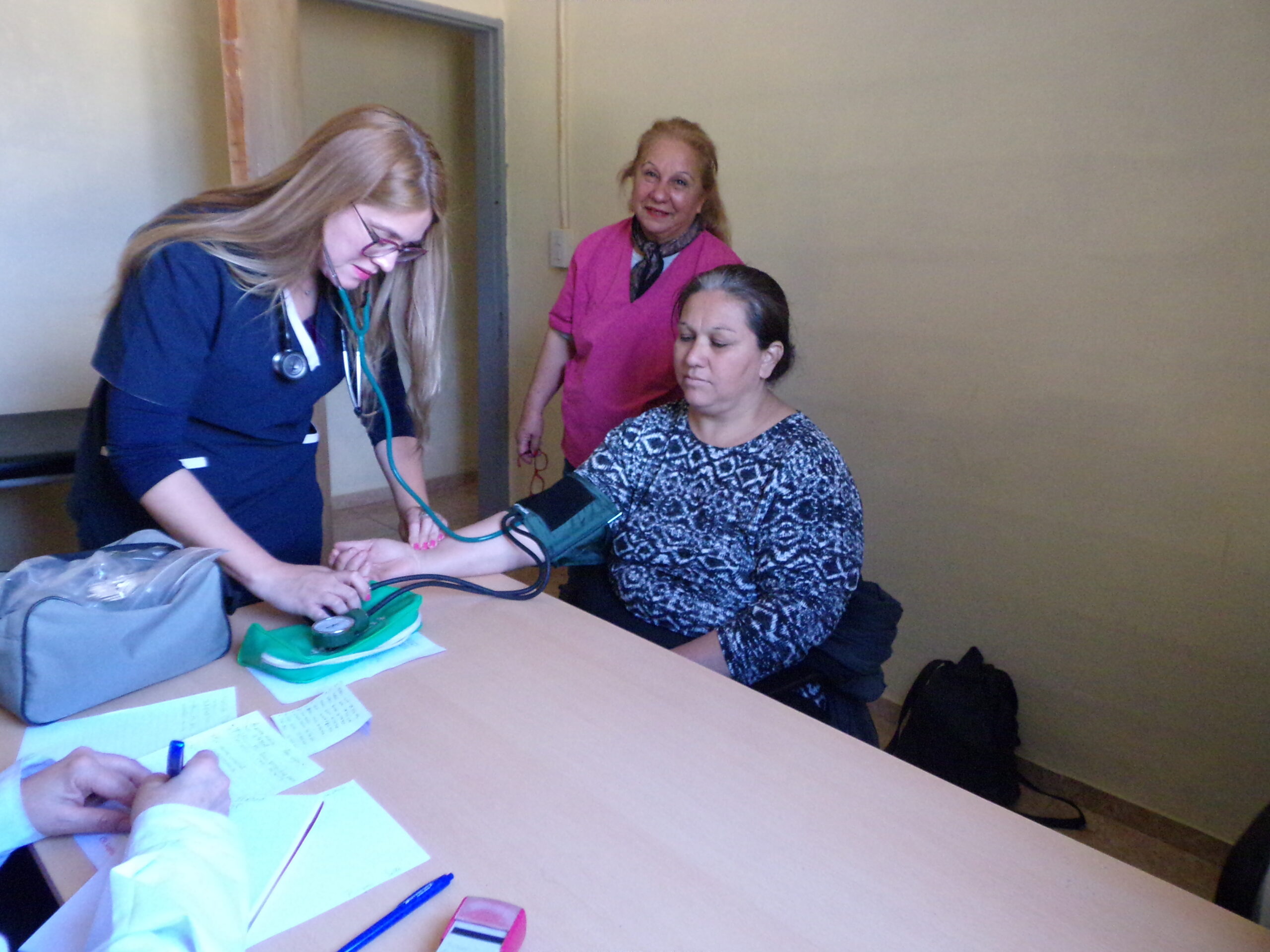
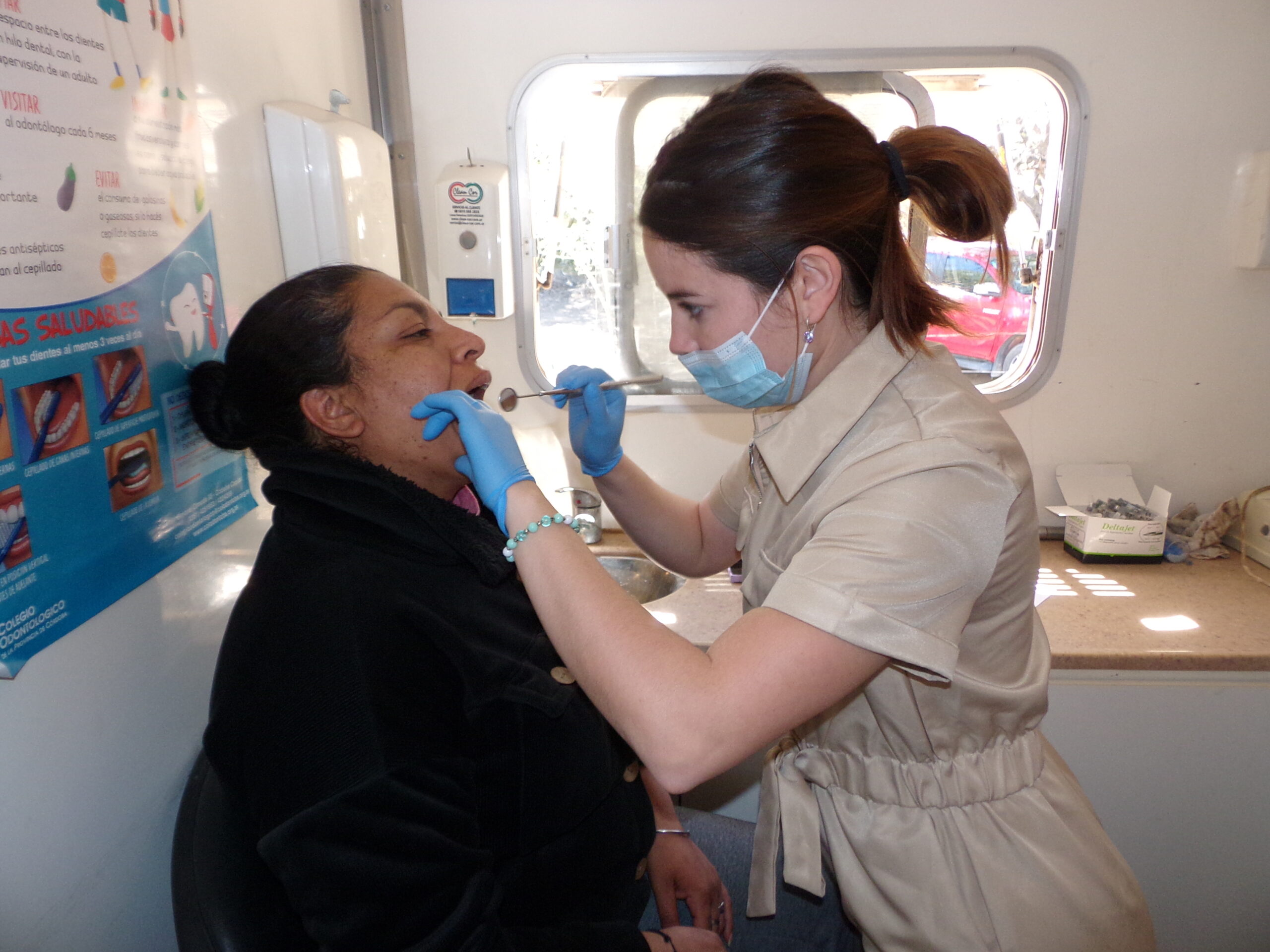
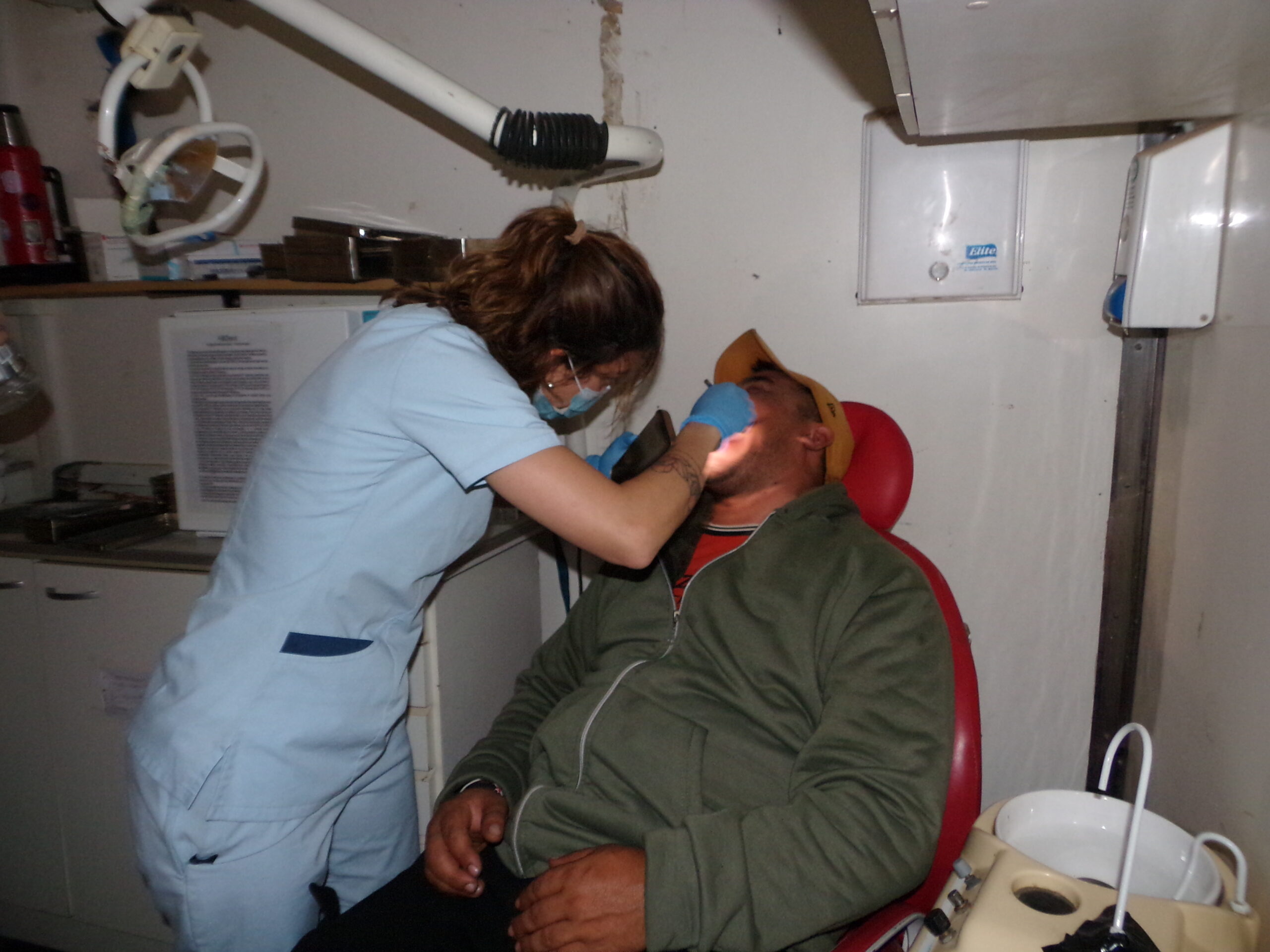
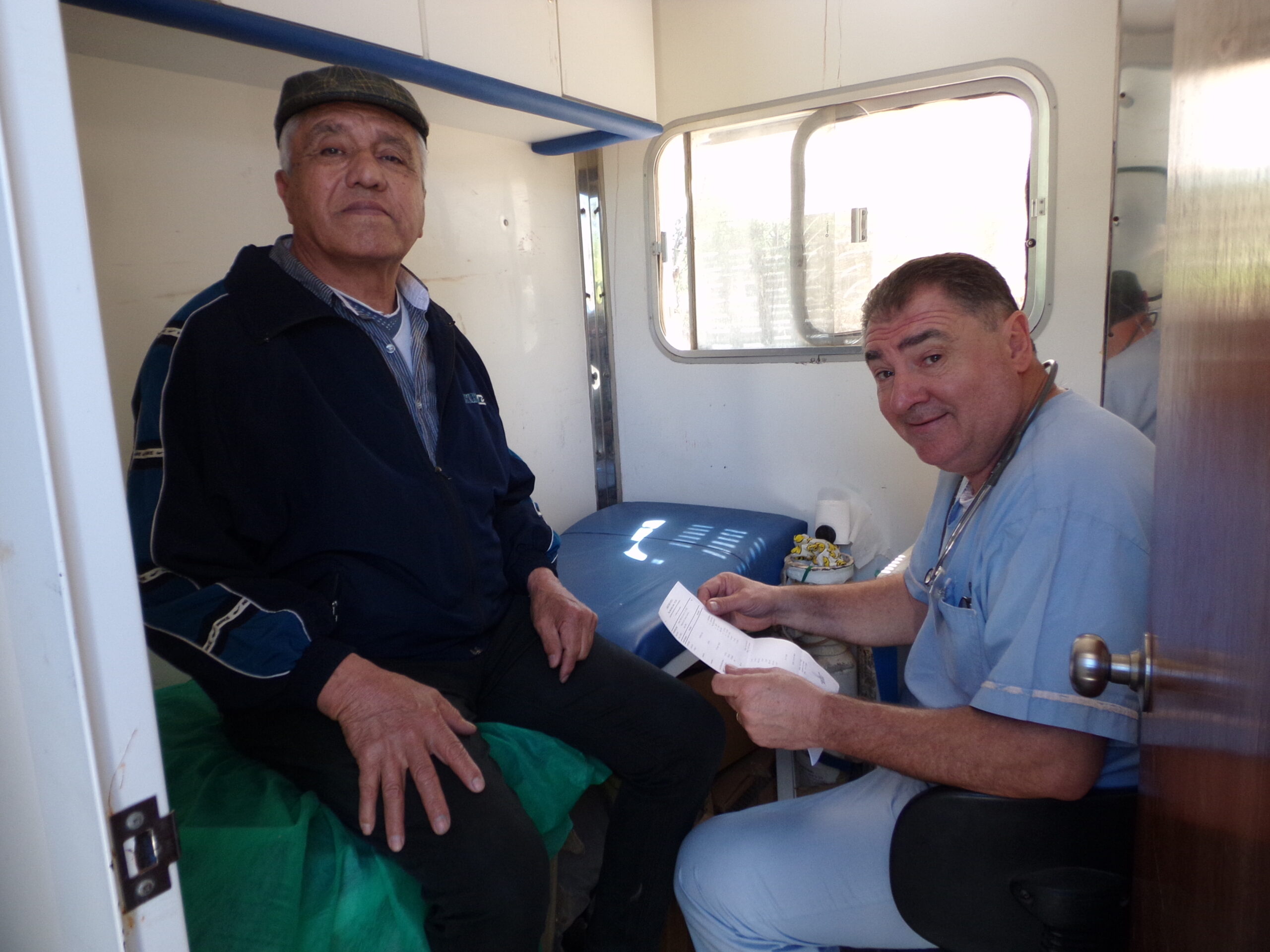
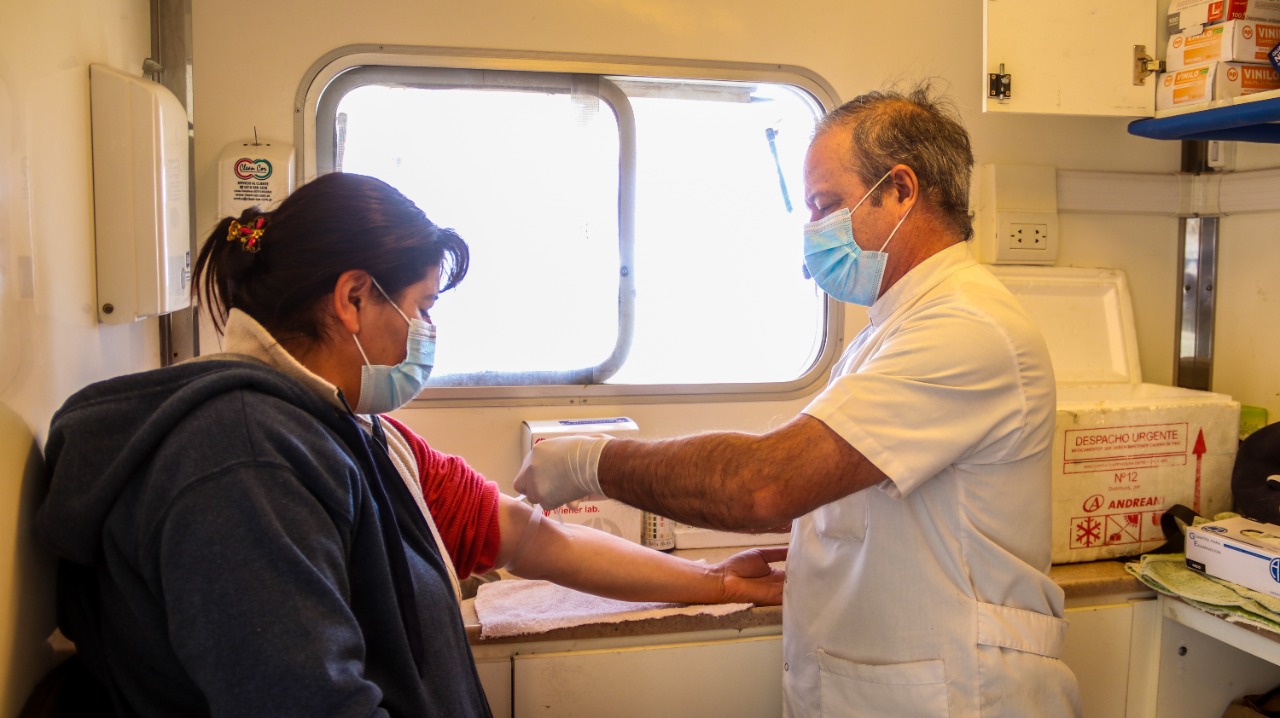
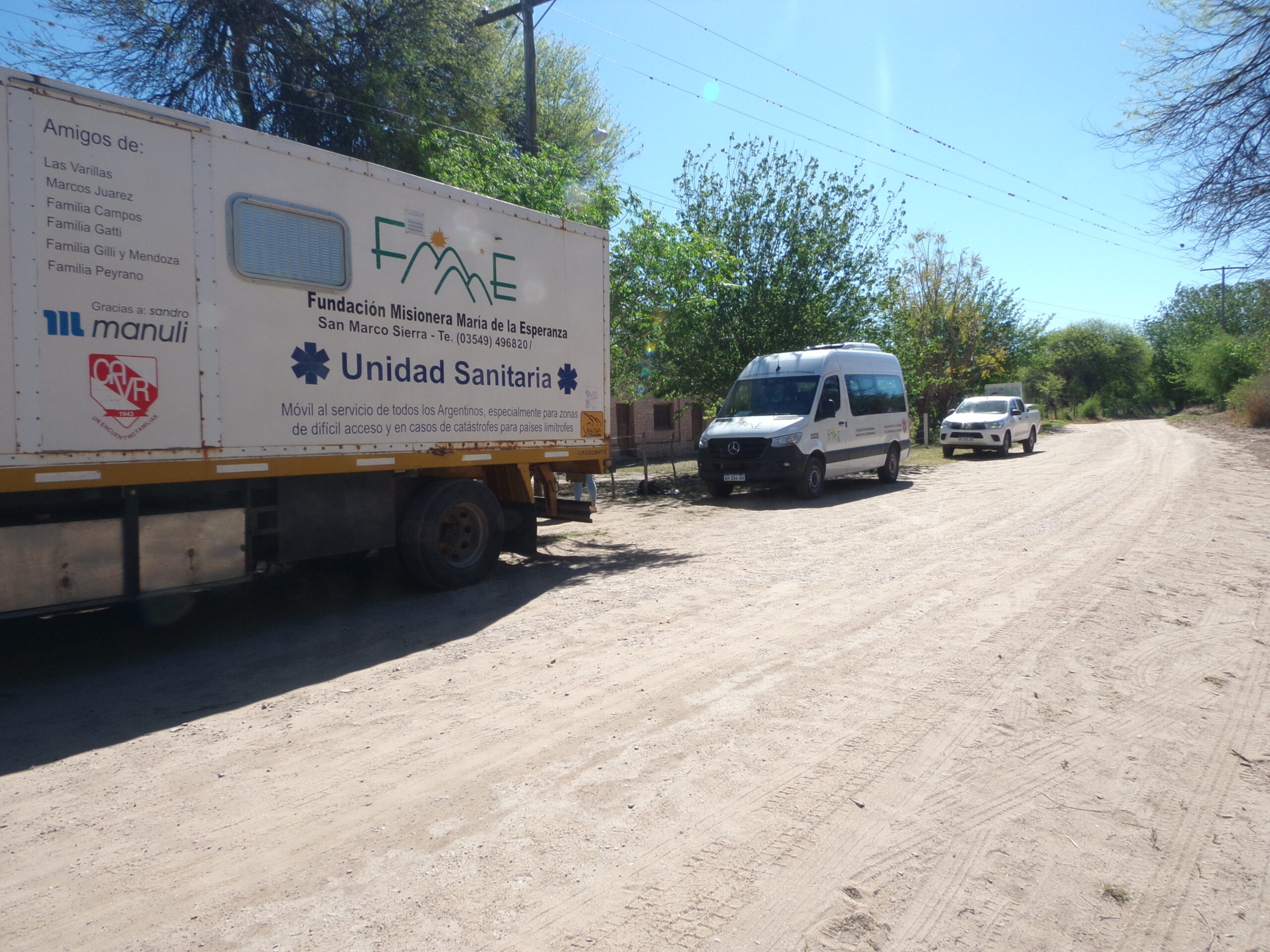
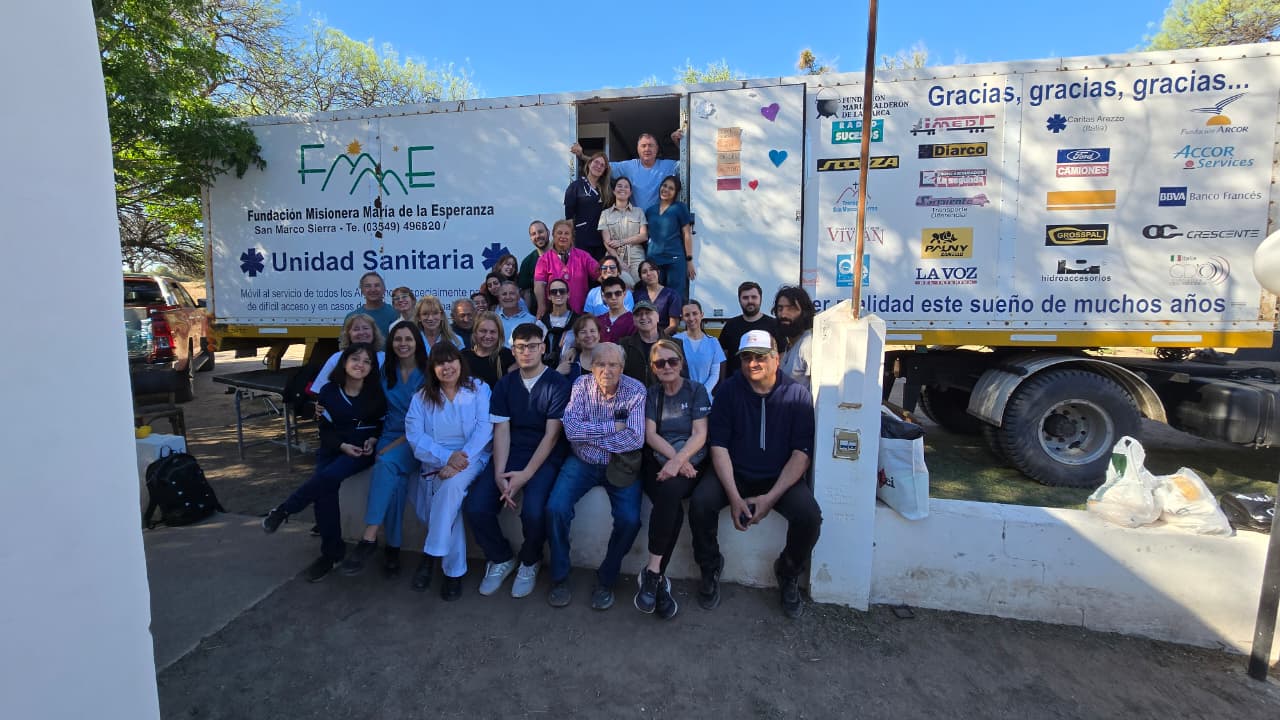
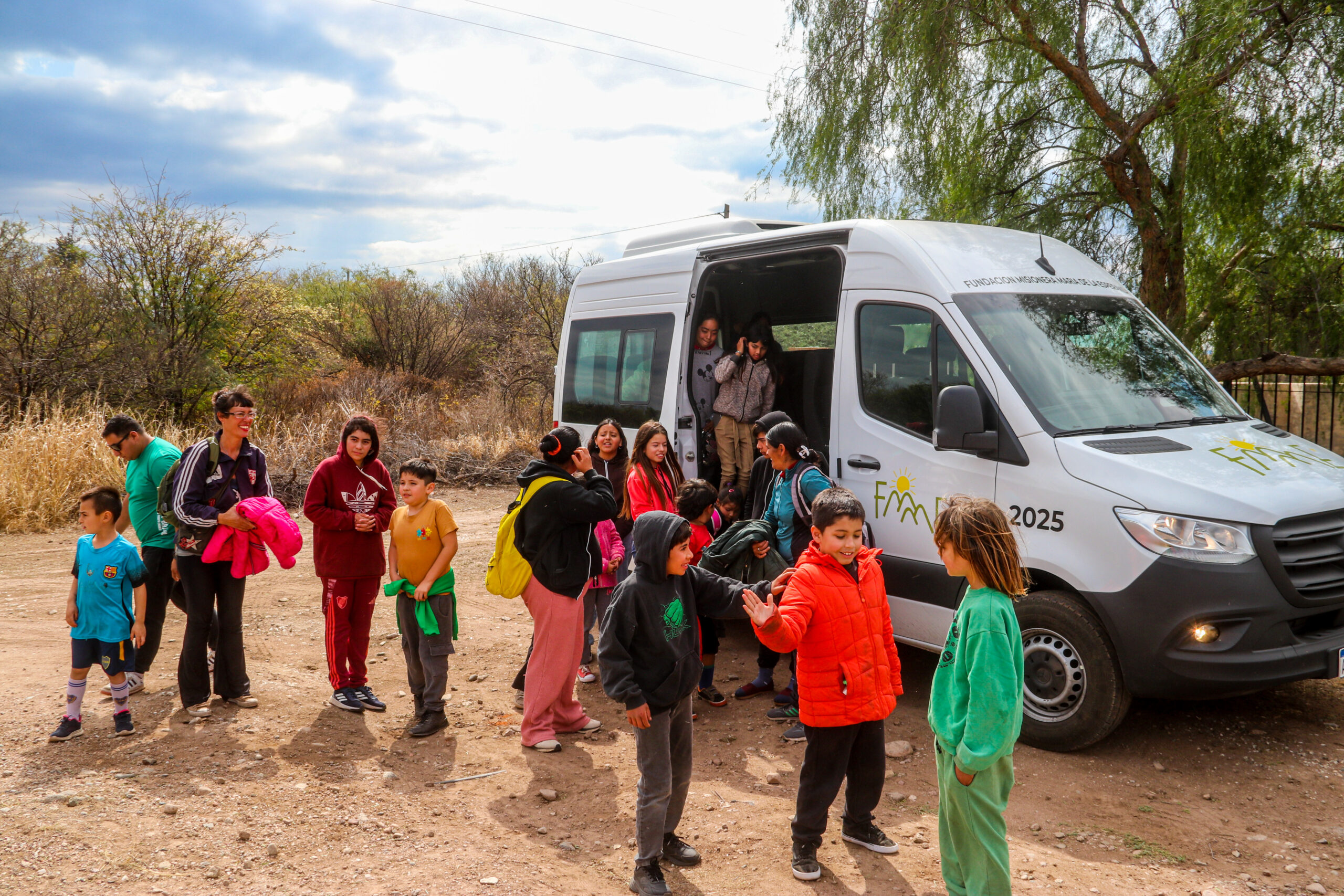
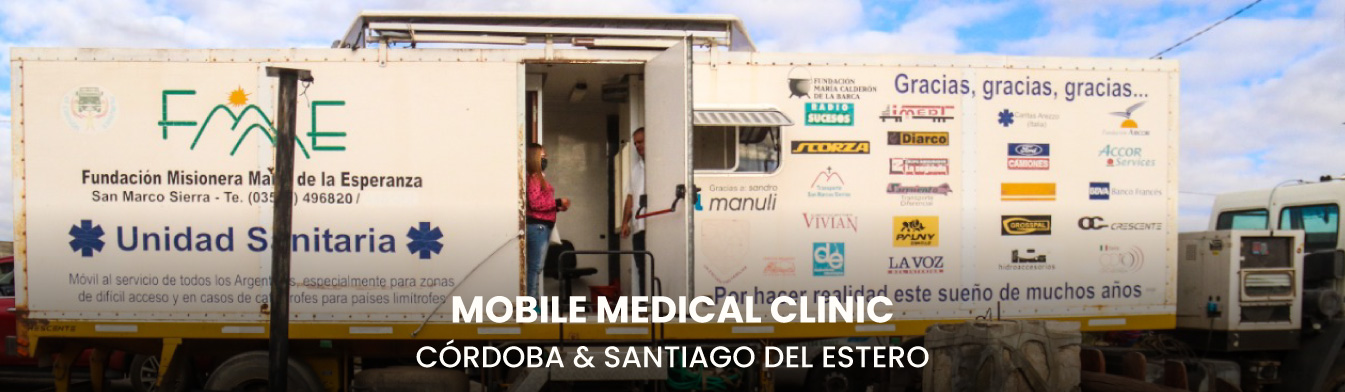
As the program continued to grow, access to healthcare emerged as one of the most pressing needs across many of the same communities where the Hope Projects operate. In response, Health on Wheels was developed in collaboration with Fundación Misión Esperanza, bringing medical care directly to remote areas where access is limited or non-existent. Through a mobile clinic, teams of volunteer medical professionals travel across northern Córdoba, providing a range of services including general medicine, pediatrics, gynecology, and dentistry, along with the distribution of medication and basic supplies.
David Denies supports the program through coordination and funding of key operational aspects required for each mission, including logistics, transportation, and overall execution throughout the year.
Over time, the program has become a natural extension of the work carried out through the community centers, expanding the focus from nutrition and education to include healthcare as a key component of long-term support.
What we accomplished this year — Health on Wheels
Throughout the past year, the program continued to operate consistently across the region, maintaining its reach and impact.
- 10 medical missions were carried out.
- 3,980 medical consultations were provided across multiple specialties.
In addition to ongoing operations:
- Ongoing acquisition of advanced dental equipment, aimed at expanding the scope and complexity of treatments that can be provided during each mission.
At the same time, the program continues to evolve, with ongoing efforts to expand its reach into new regions, including Santiago del Estero, where access to healthcare remains limited.
Solidarity Days
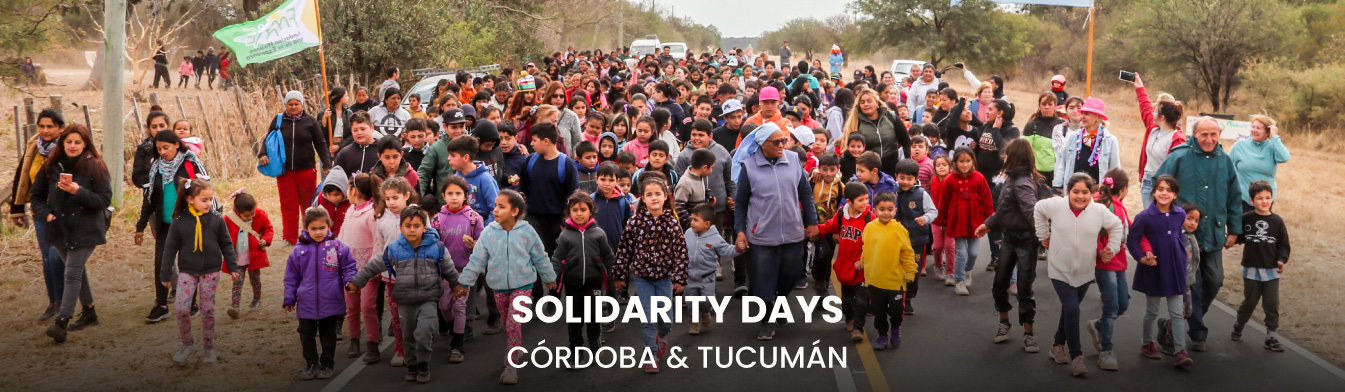
Alongside the daily operation of the Hope Projects and the outreach of Health on Wheels, there are moments throughout the year where the program takes a different form.
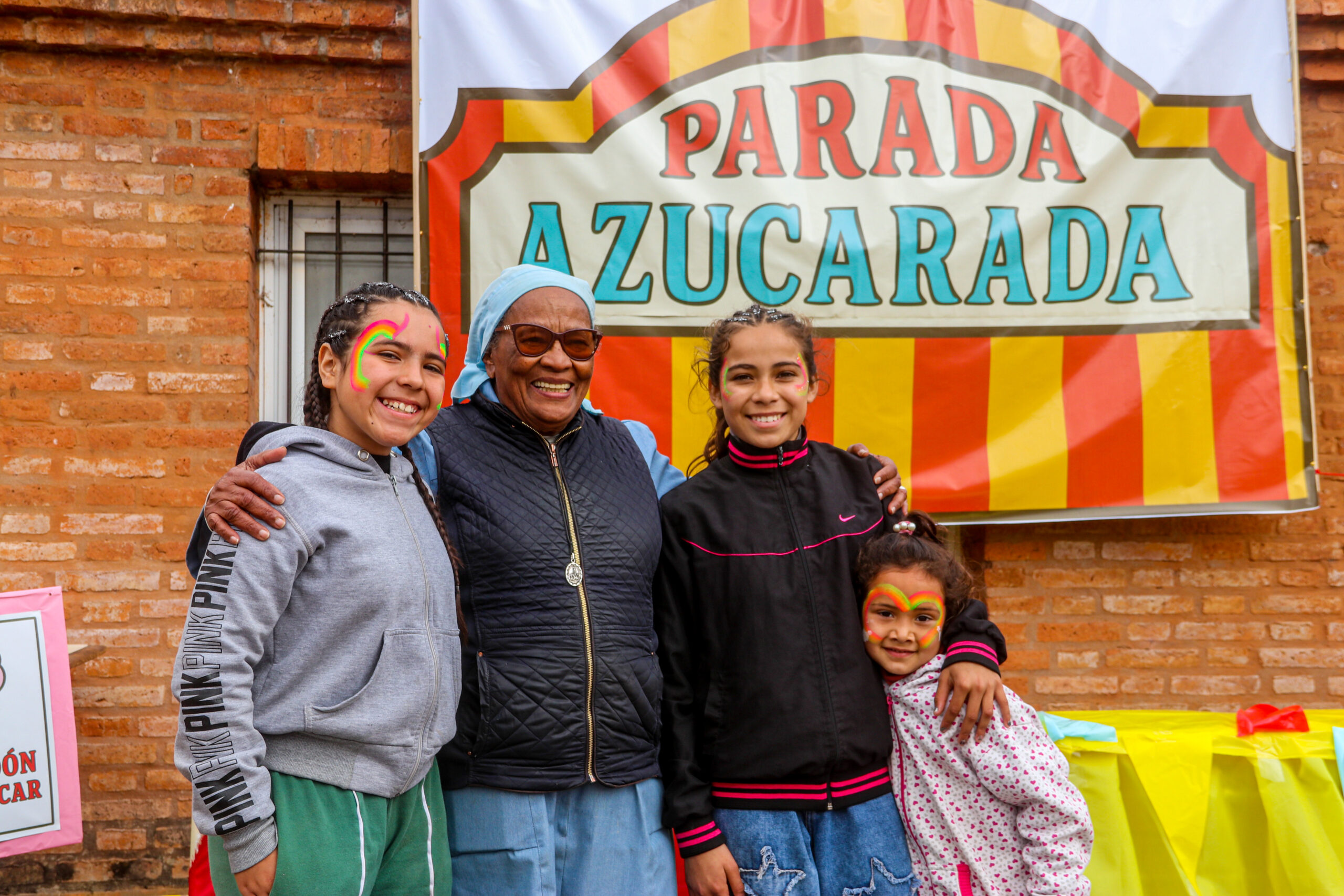
Through the Solidarity Days, volunteers, staff, and members of the community come together on a regular basis, rotating between the different centers. These gatherings are built around shared activities, meals, and time spent within each community.
David Denies supports and coordinates these days, contributing to their organization and covering the resources needed to carry them out, from food and materials to on-site logistics.
They are not large-scale initiatives, but rather consistent moments that strengthen the connection between the program and the communities it supports.
Children’s Day
Within this context, one moment stands out each year.
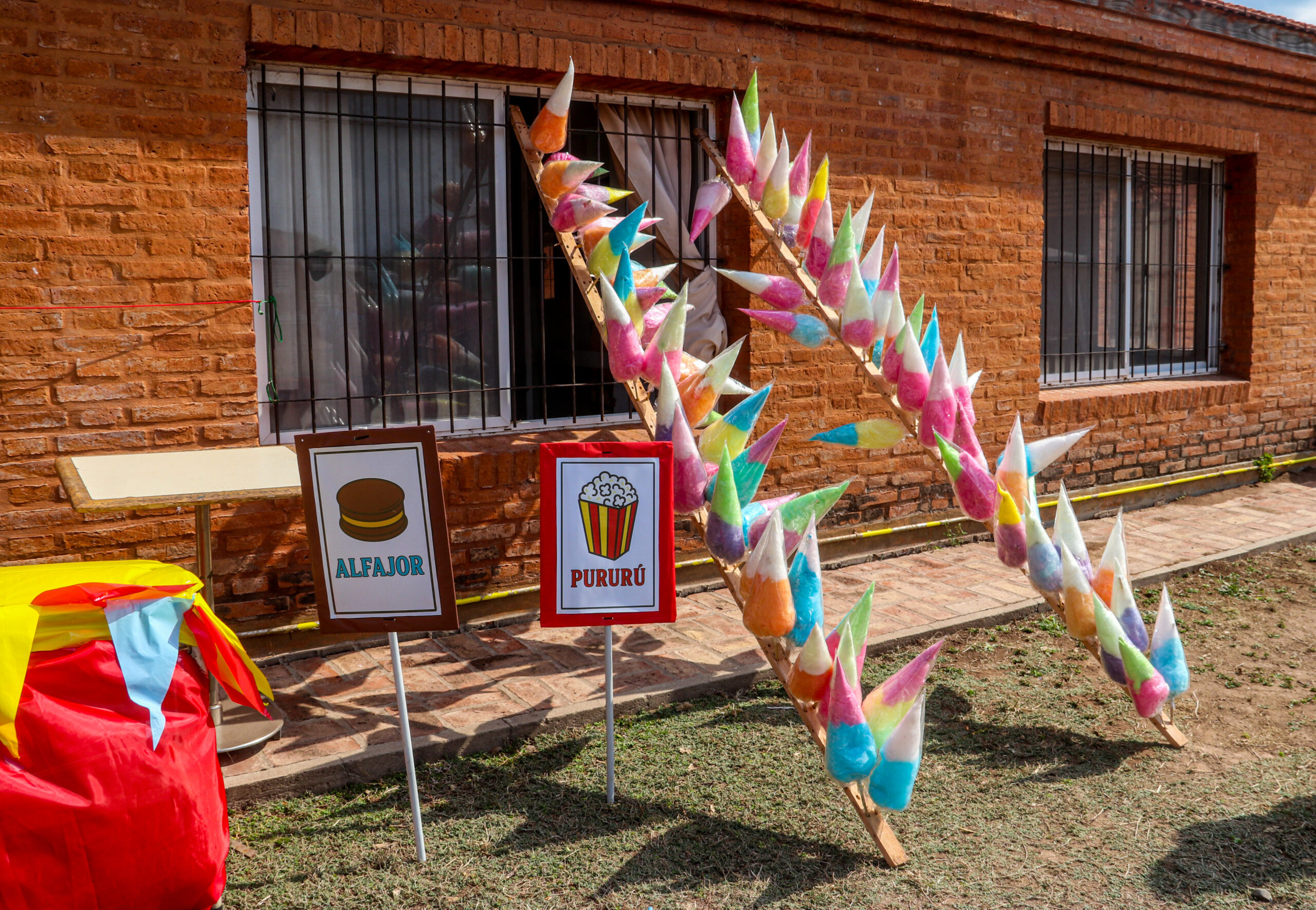
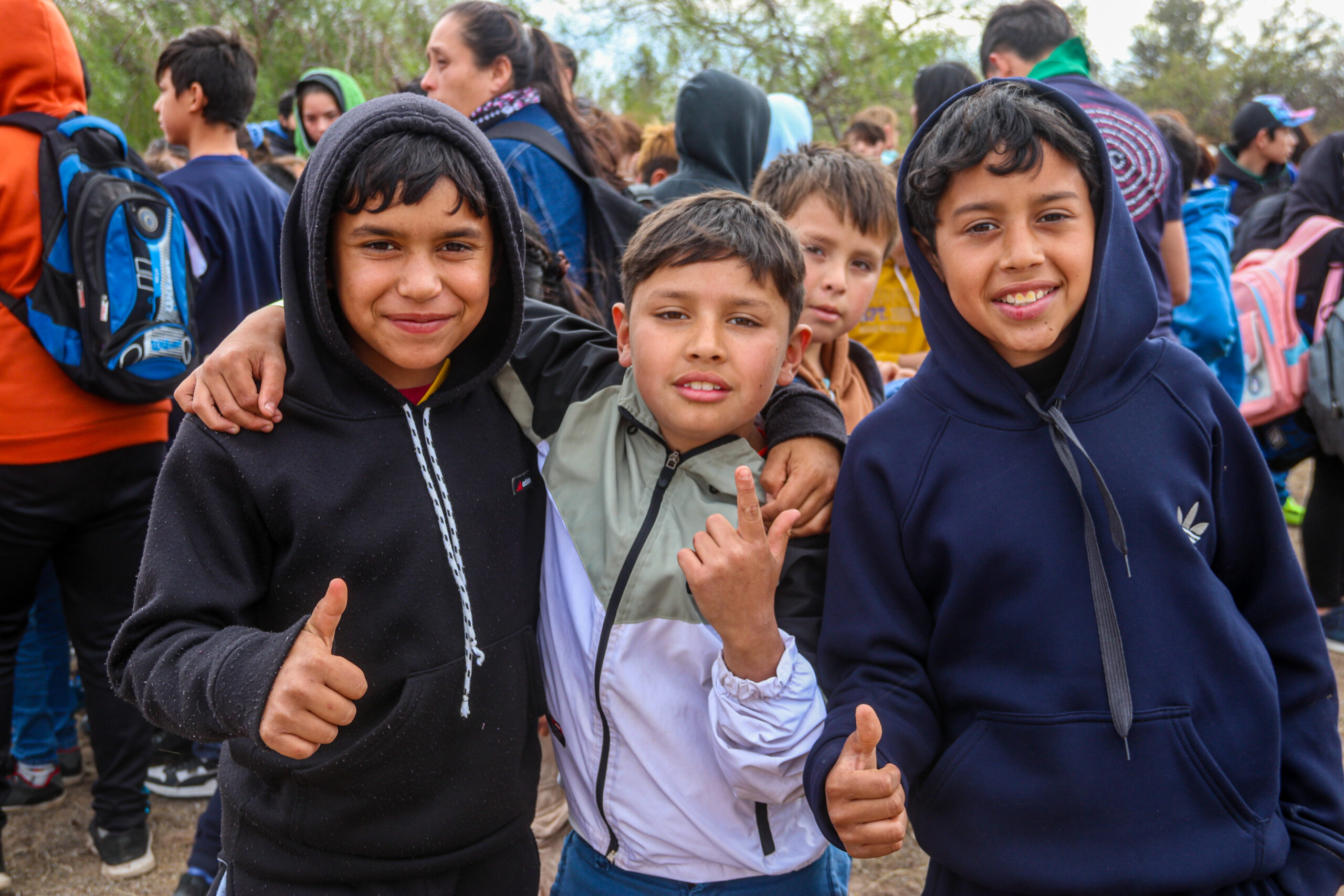
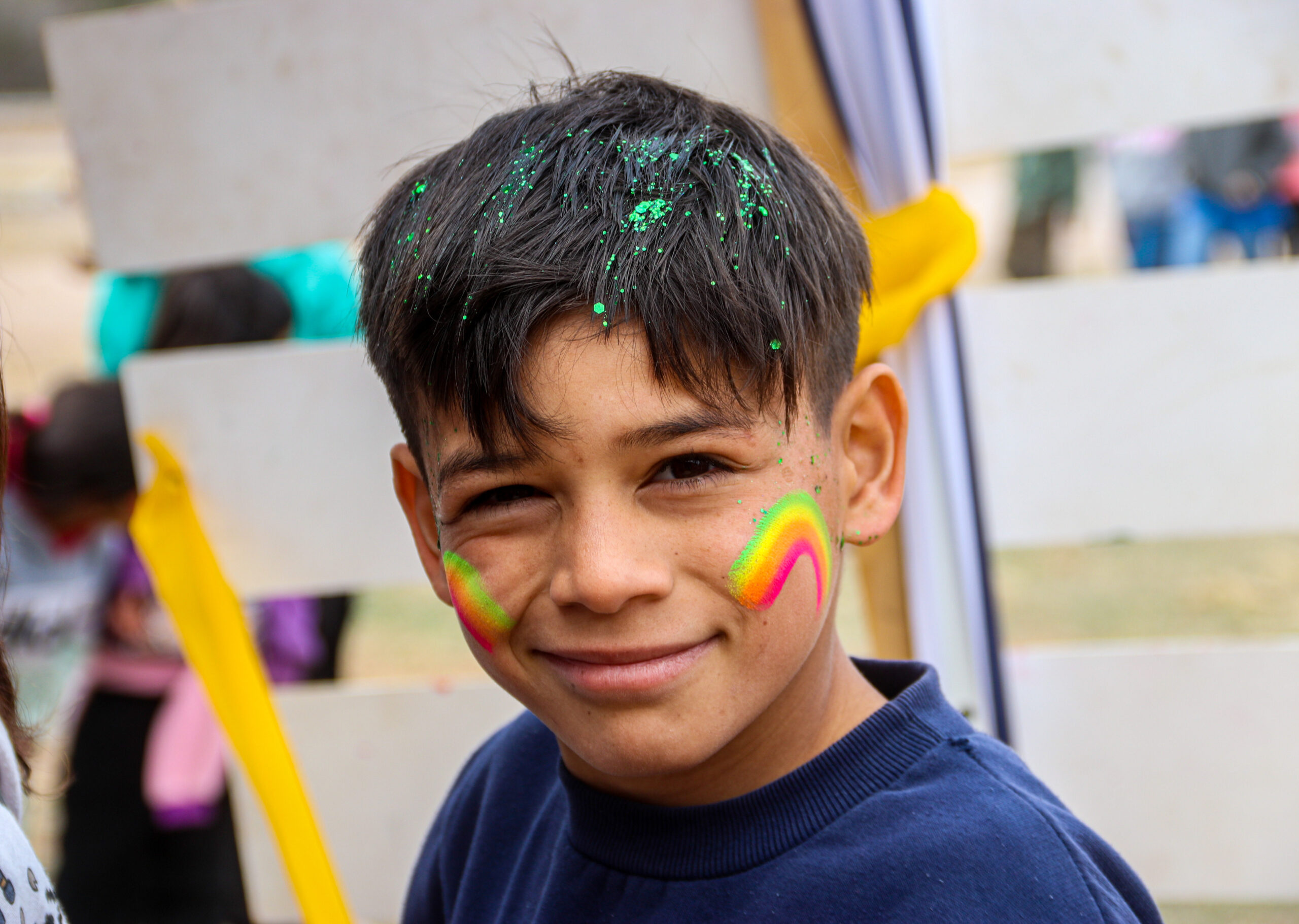
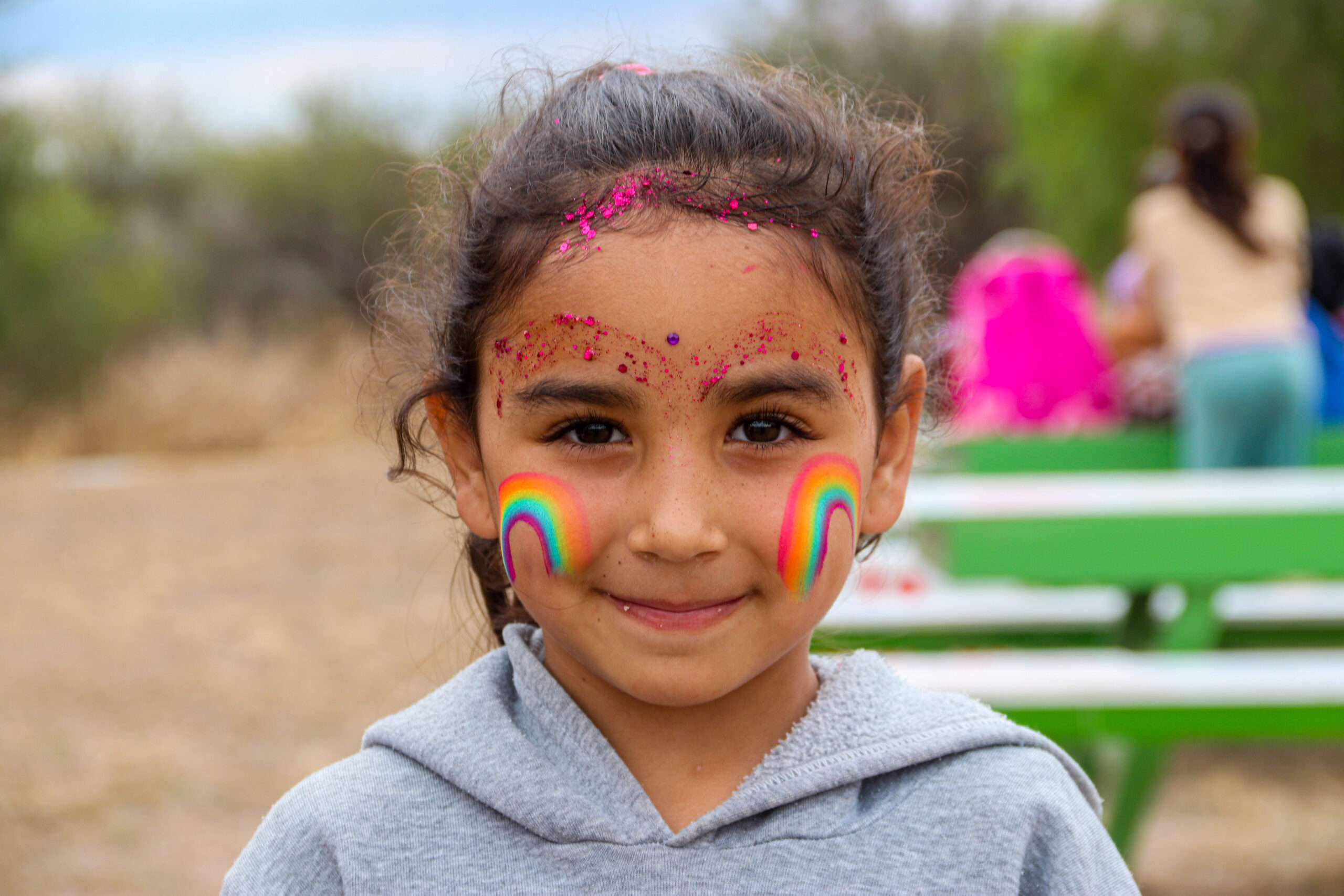
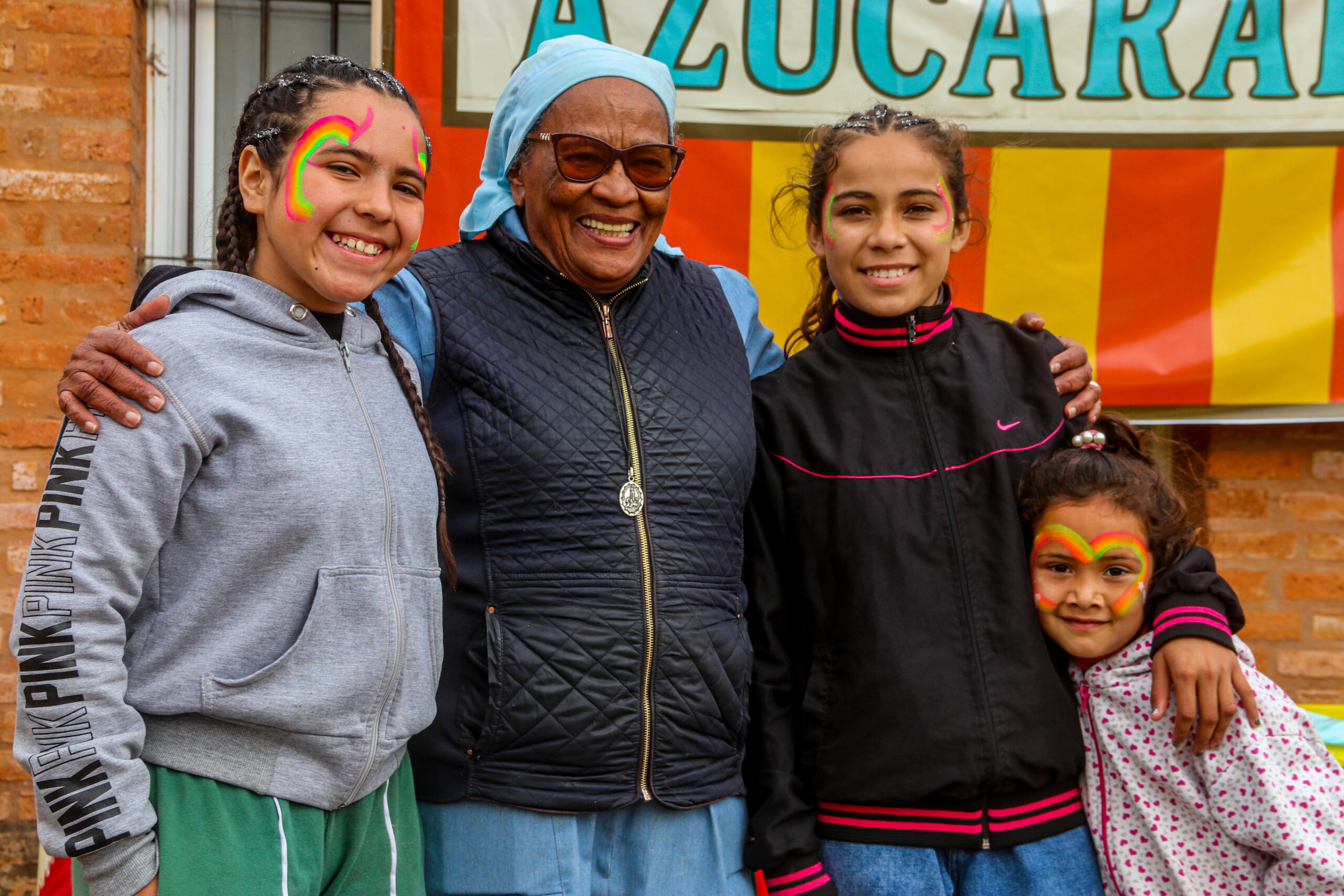
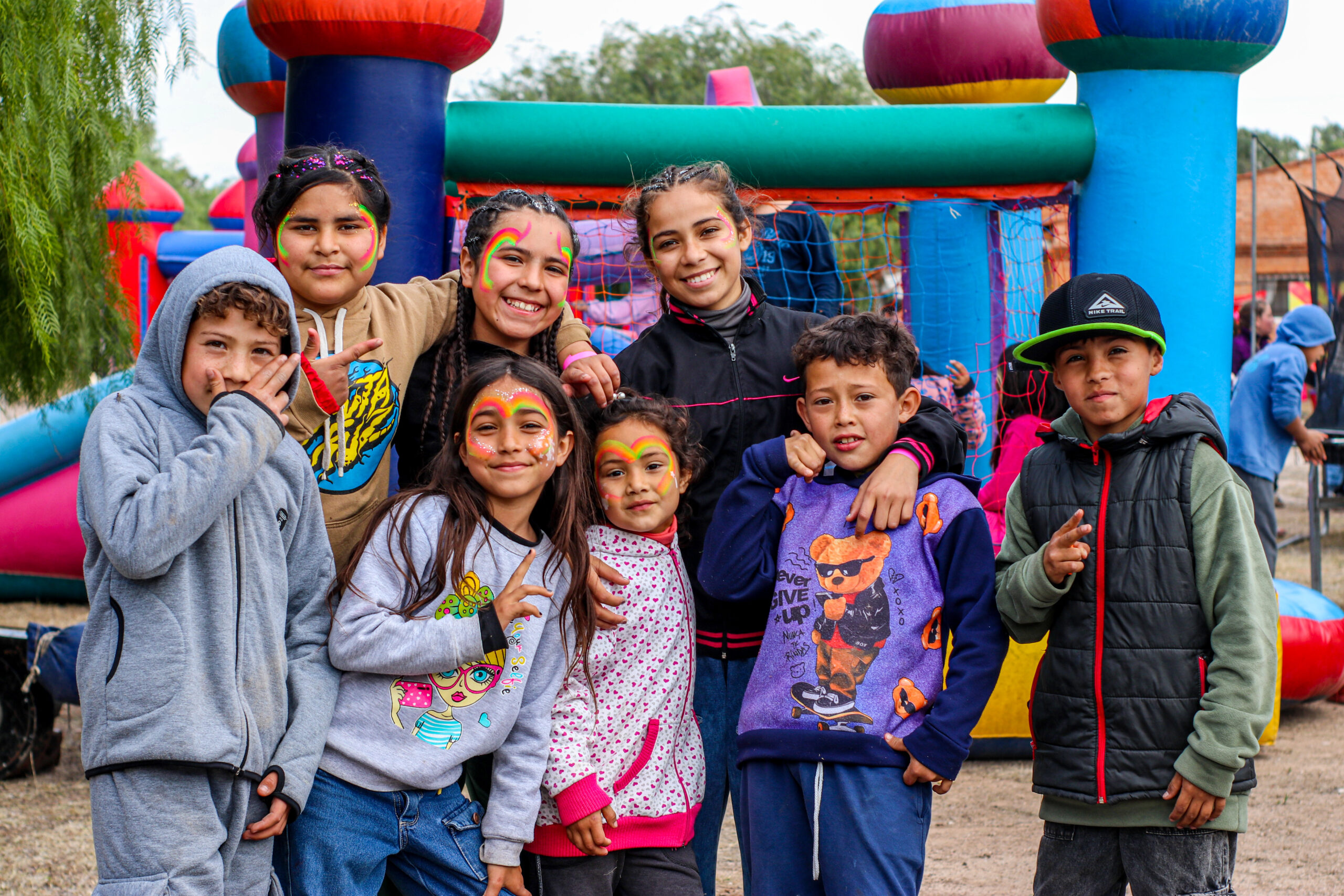
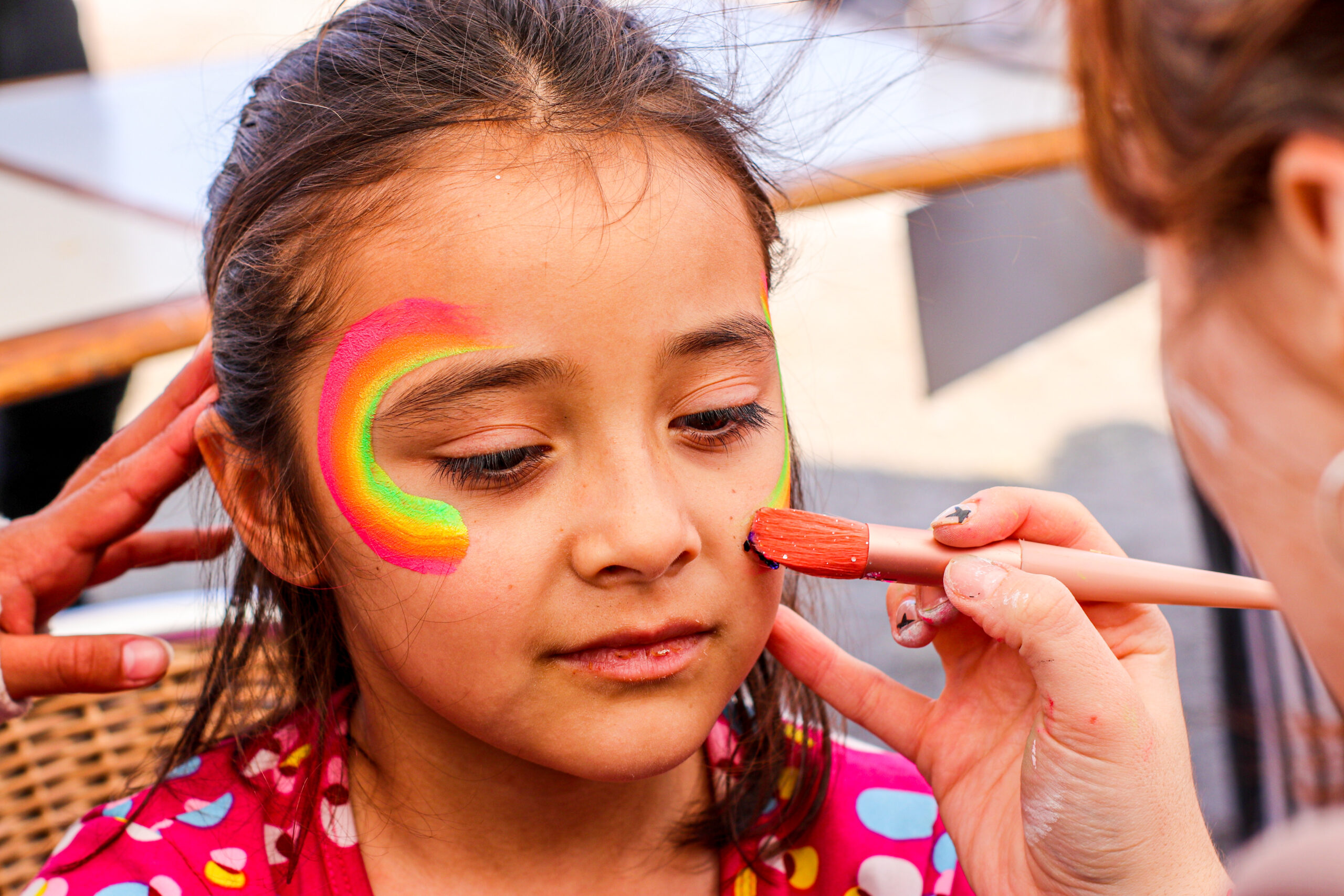
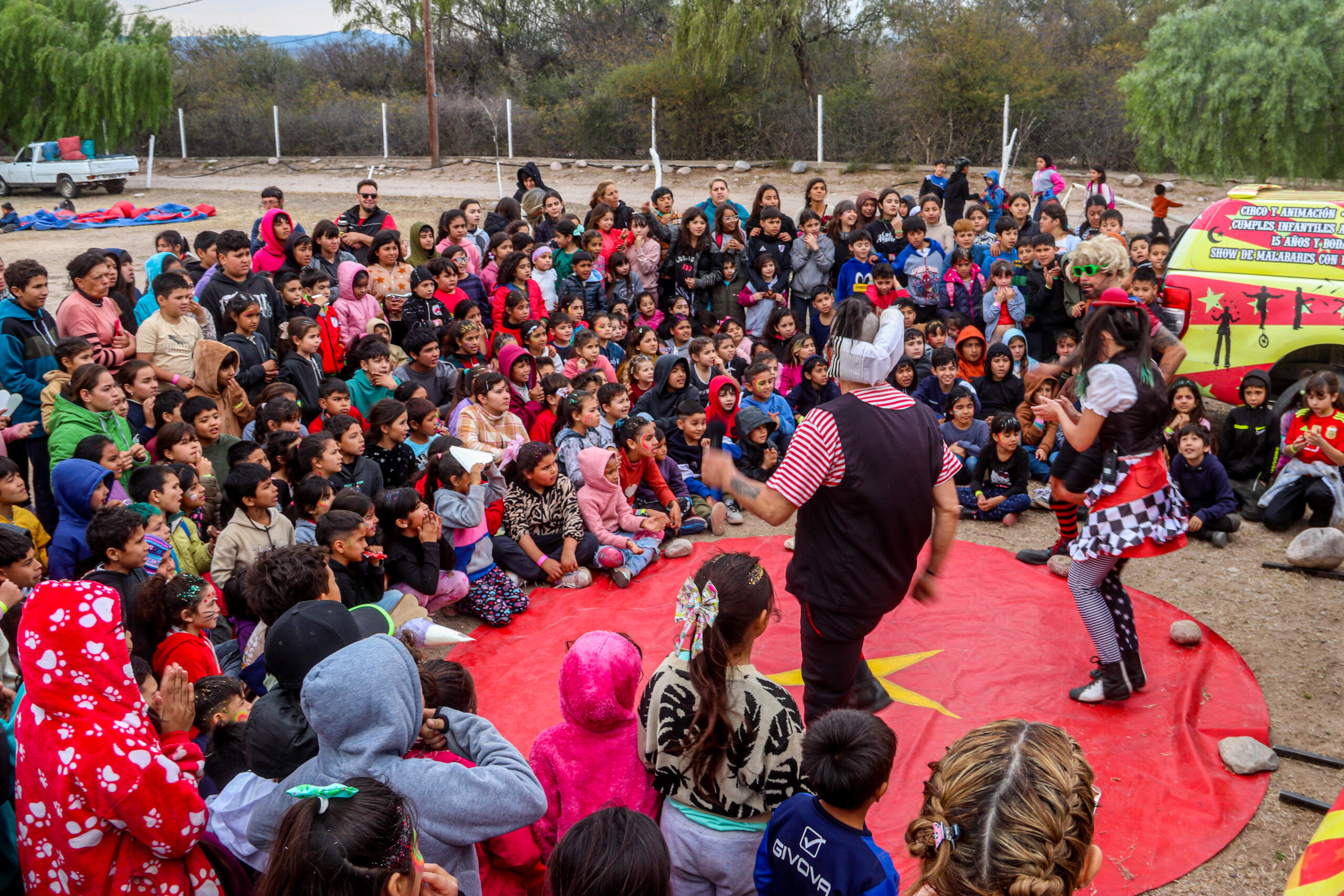
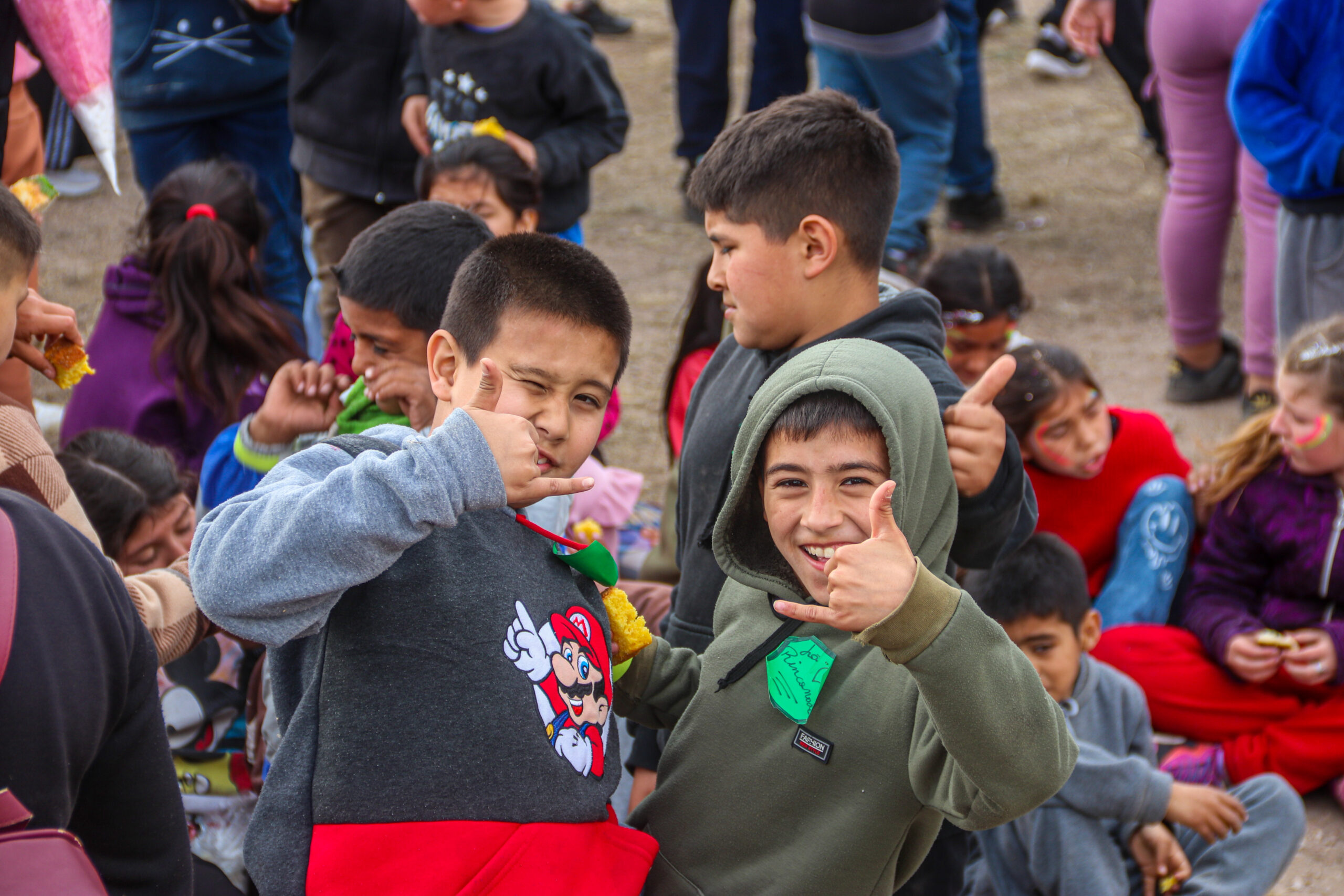
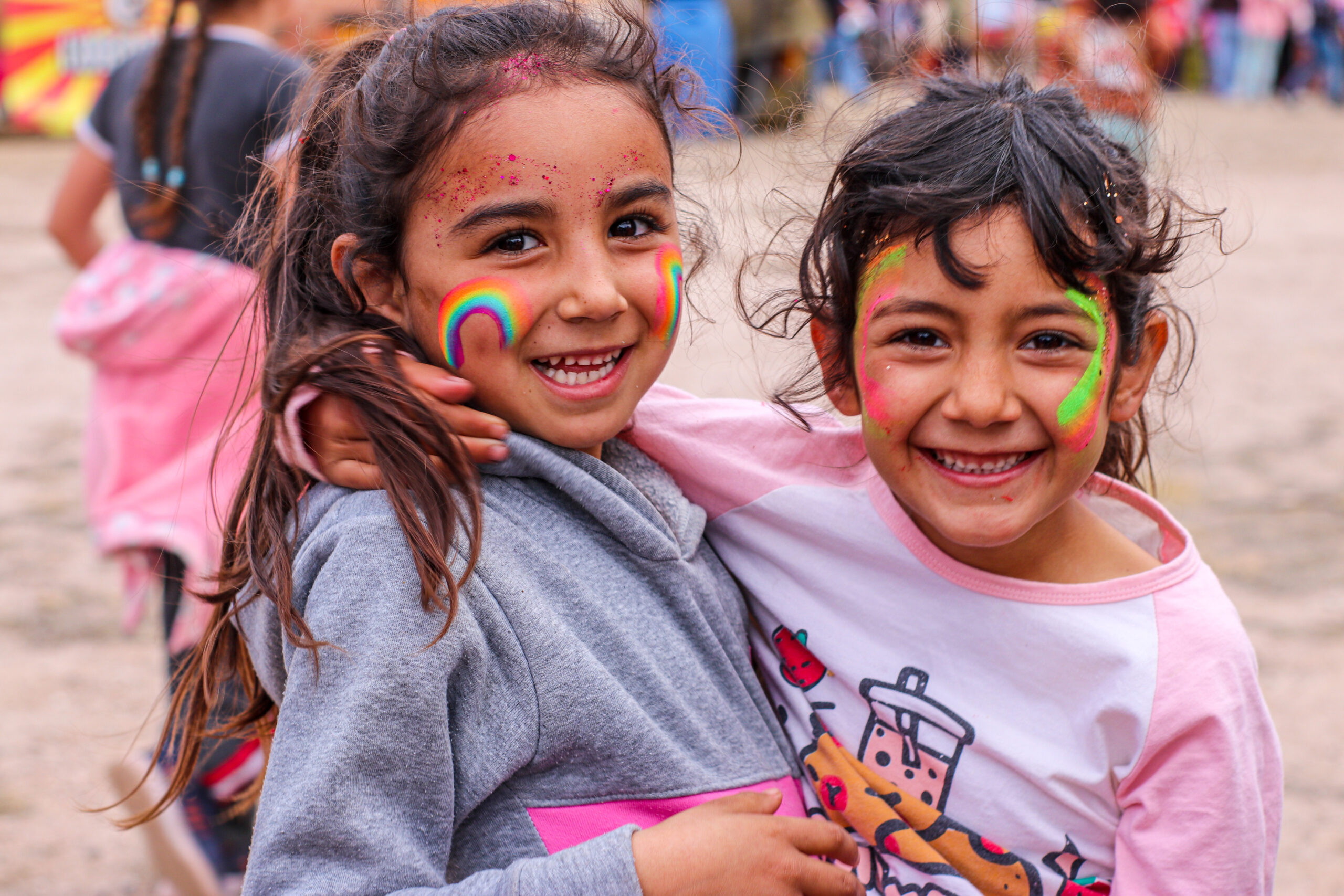
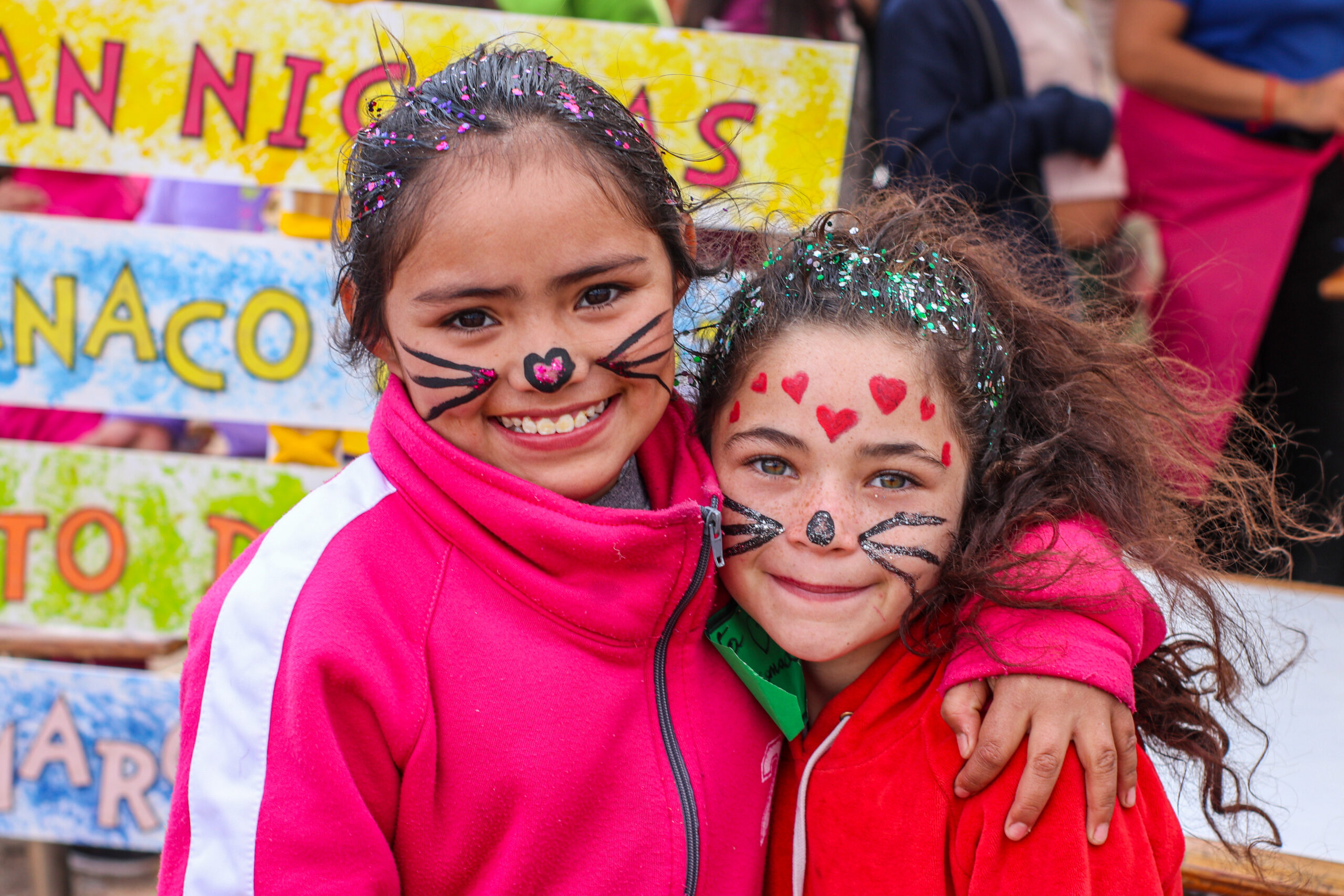
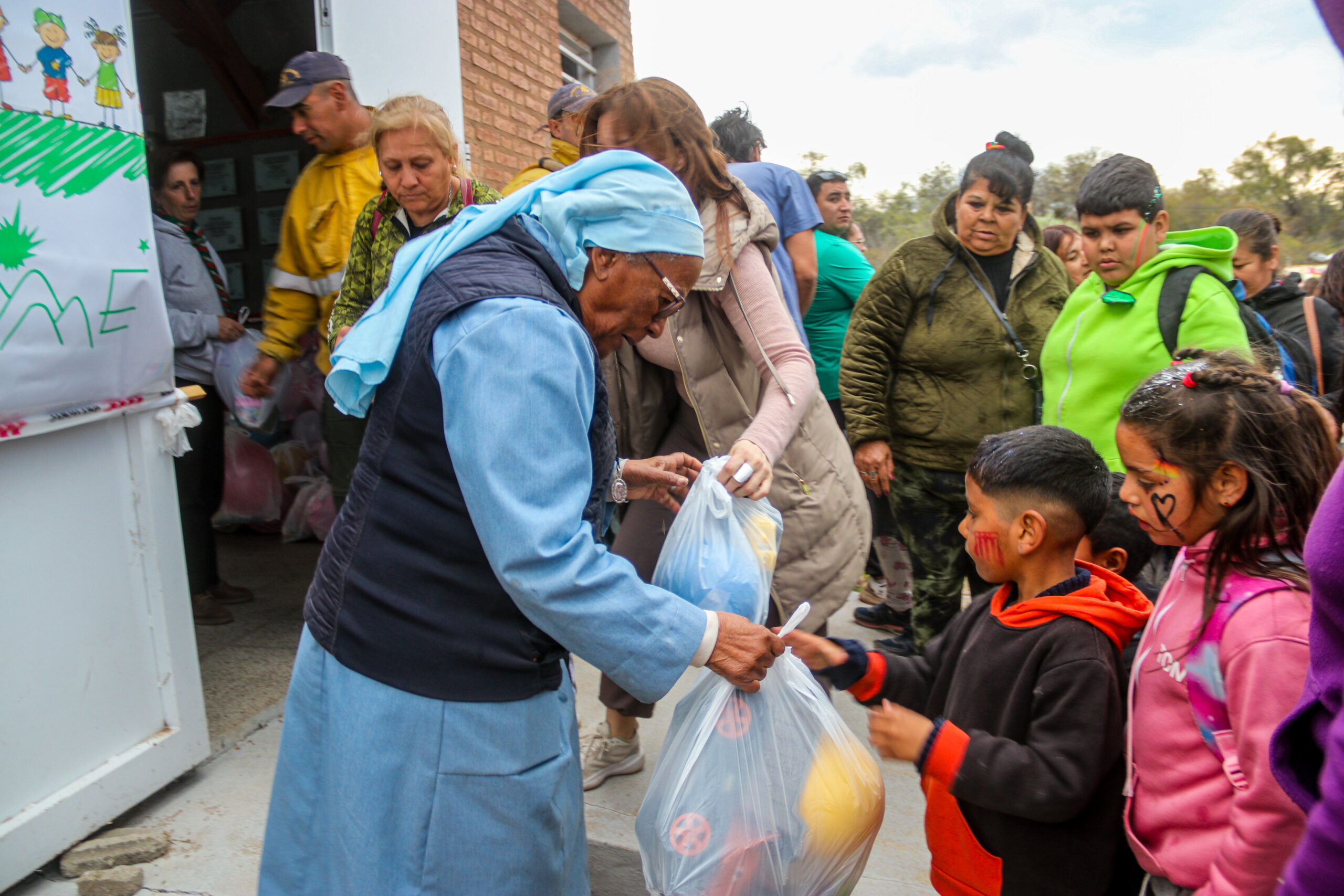
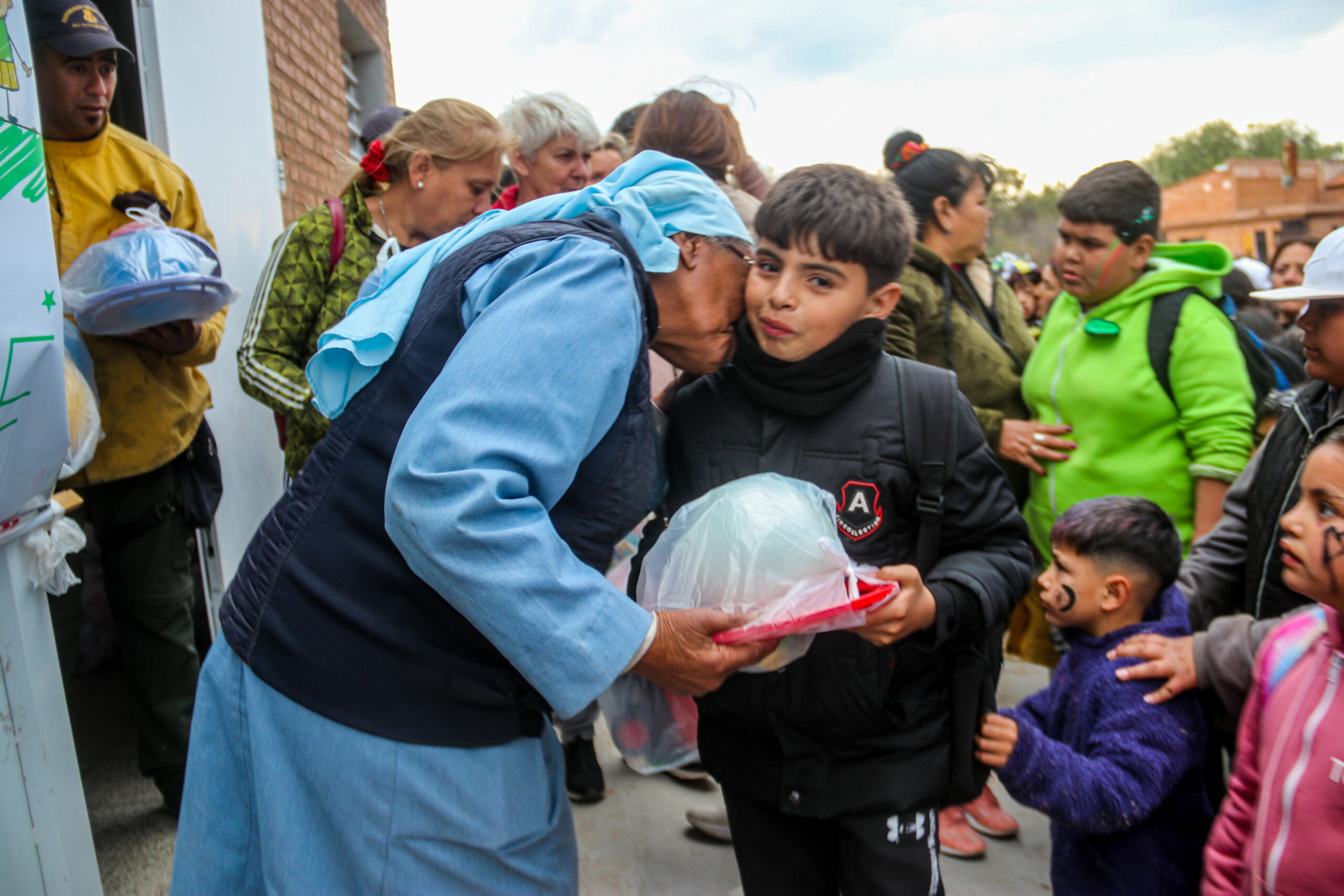
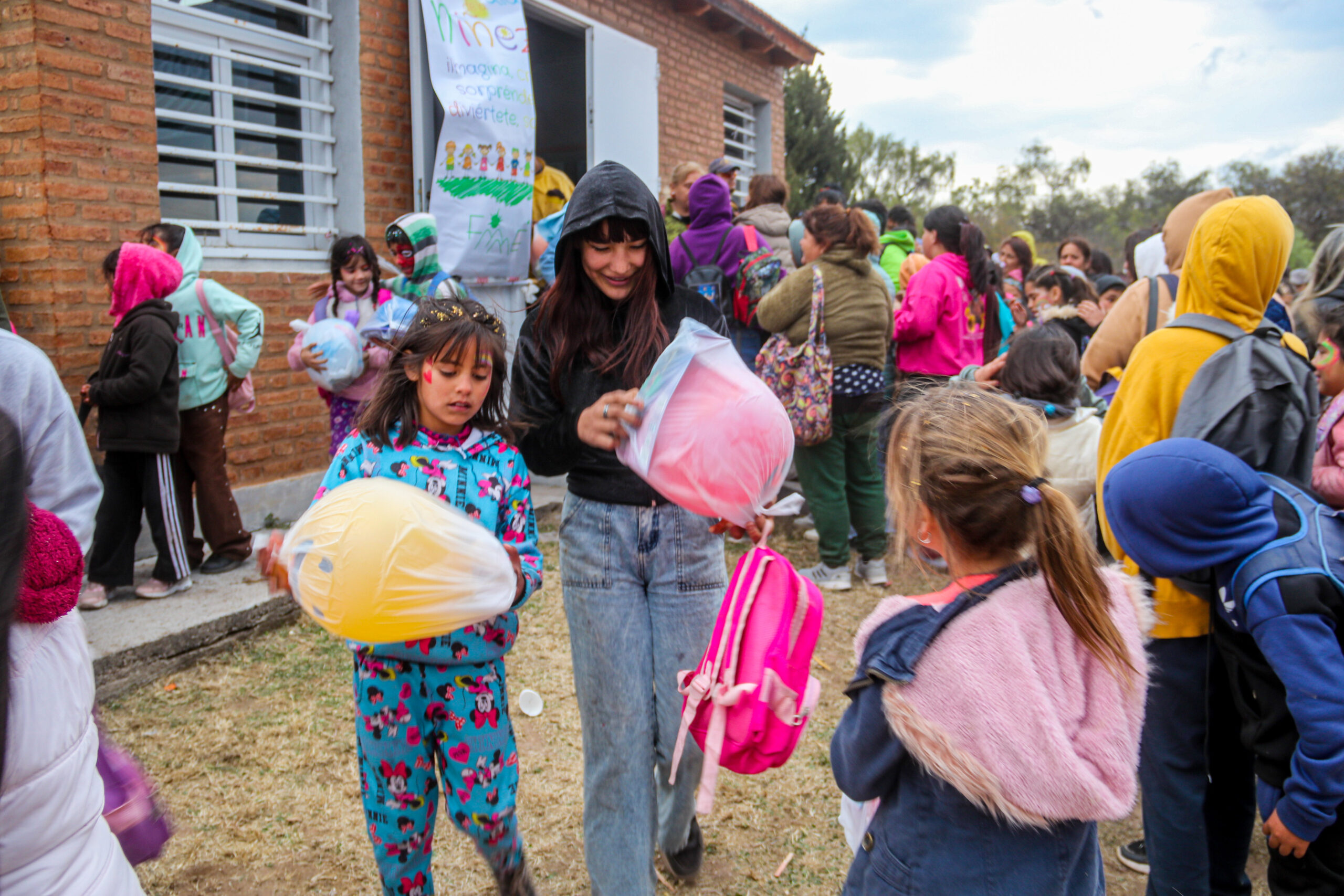
Every August, Children’s Day brings together children from the community centers, along with others from surrounding rural areas, for a full day of activities.
The event is fully organized and supported by David Denies, including transportation for children traveling from remote locations, in some cases over 30 kilometers away, as well as the coordination of activities, food, and gifts for each participant.
- Nearly 1,000 children participated in the latest celebration.
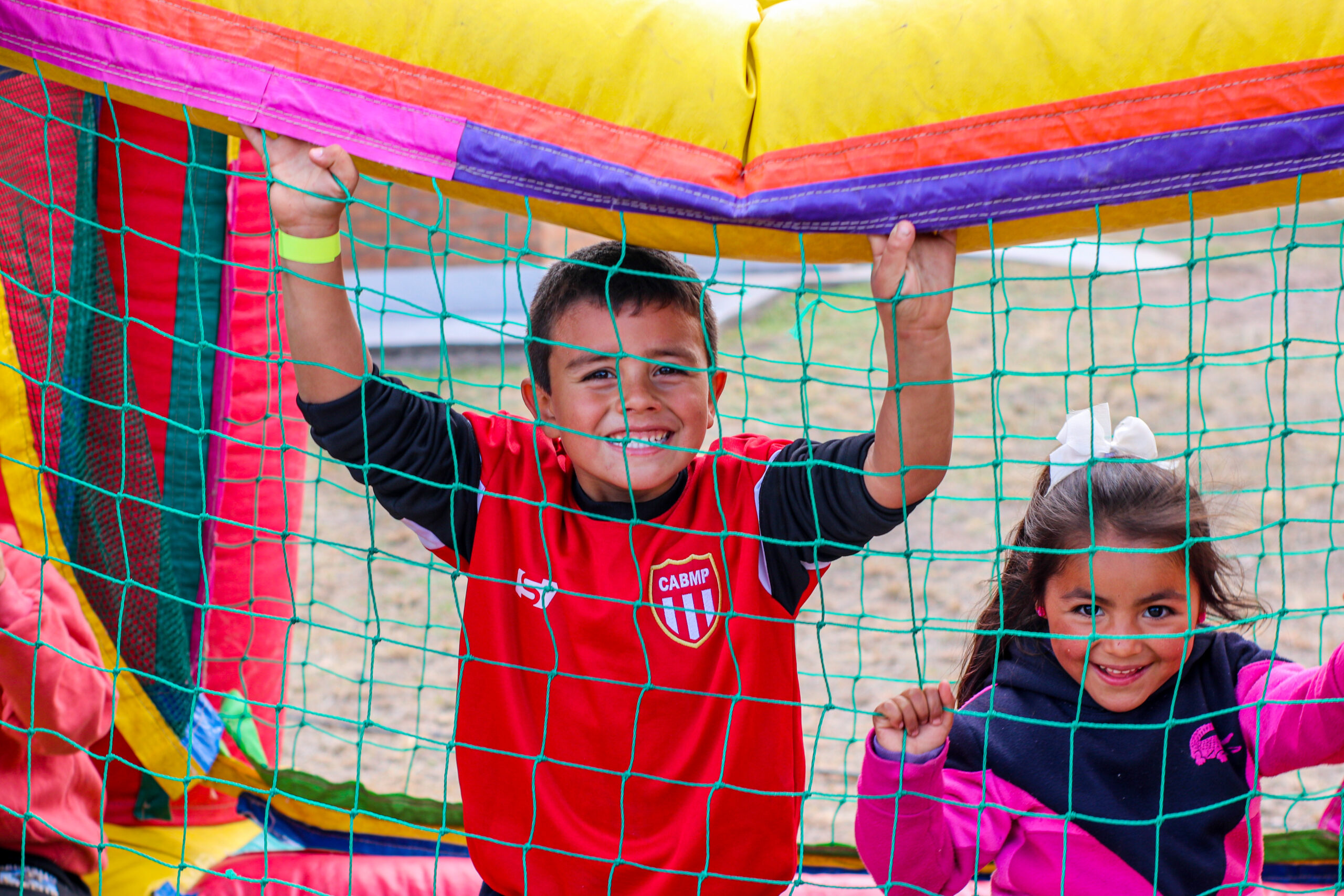
Throughout the day, children take part in outdoor games, creative activities, and live shows, while sharing meals and snacks prepared for the occasion. Each child receives a gift, marking the day as a moment that stands apart from their daily routine.
For many of the children, it is one of the few opportunities to be part of an event of this scale, making it a meaningful part of the program each year.
Christmas
As the year comes to an end, the focus shifts toward reaching families beyond the daily reach of the centers.
During the Christmas season, David Denies organizes and supports the distribution of food packages and gifts across northern Córdoba and Tucumán, reaching communities in more isolated areas.
- Around 100 families were reached this year.
These visits ensure that support extends beyond the community centers, reaching households that are not always part of the daily programs.
At the same time, the women who volunteer throughout the year as cooks in the centers receive food packages as a way to recognize their ongoing contribution.
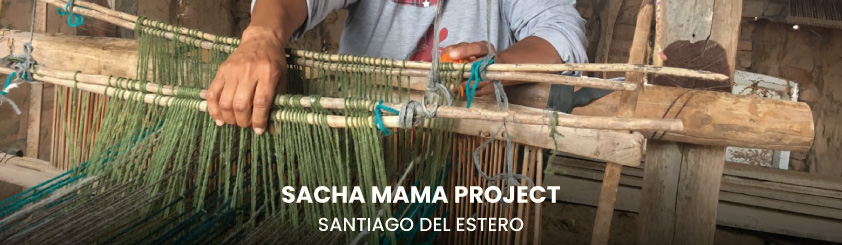
Sacha Mama — Santiago del Estero
Alongside the initiatives focused on nutrition, education, and healthcare, the program has also expanded to support projects centered on long-term development.
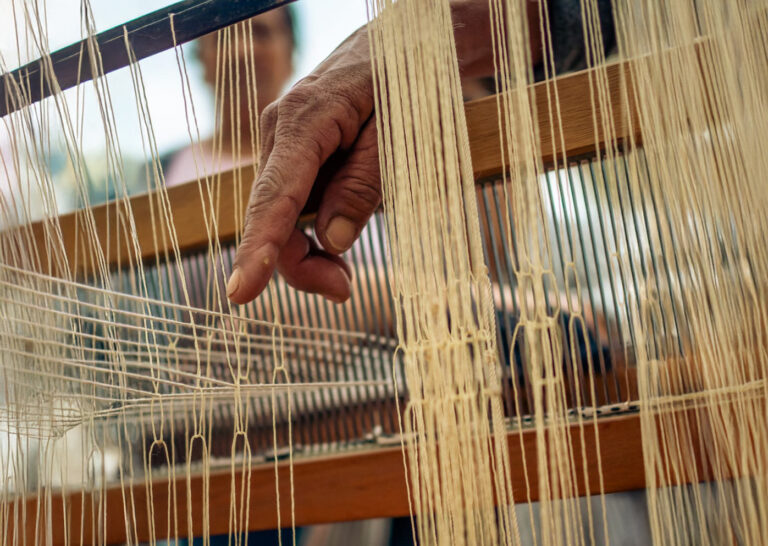
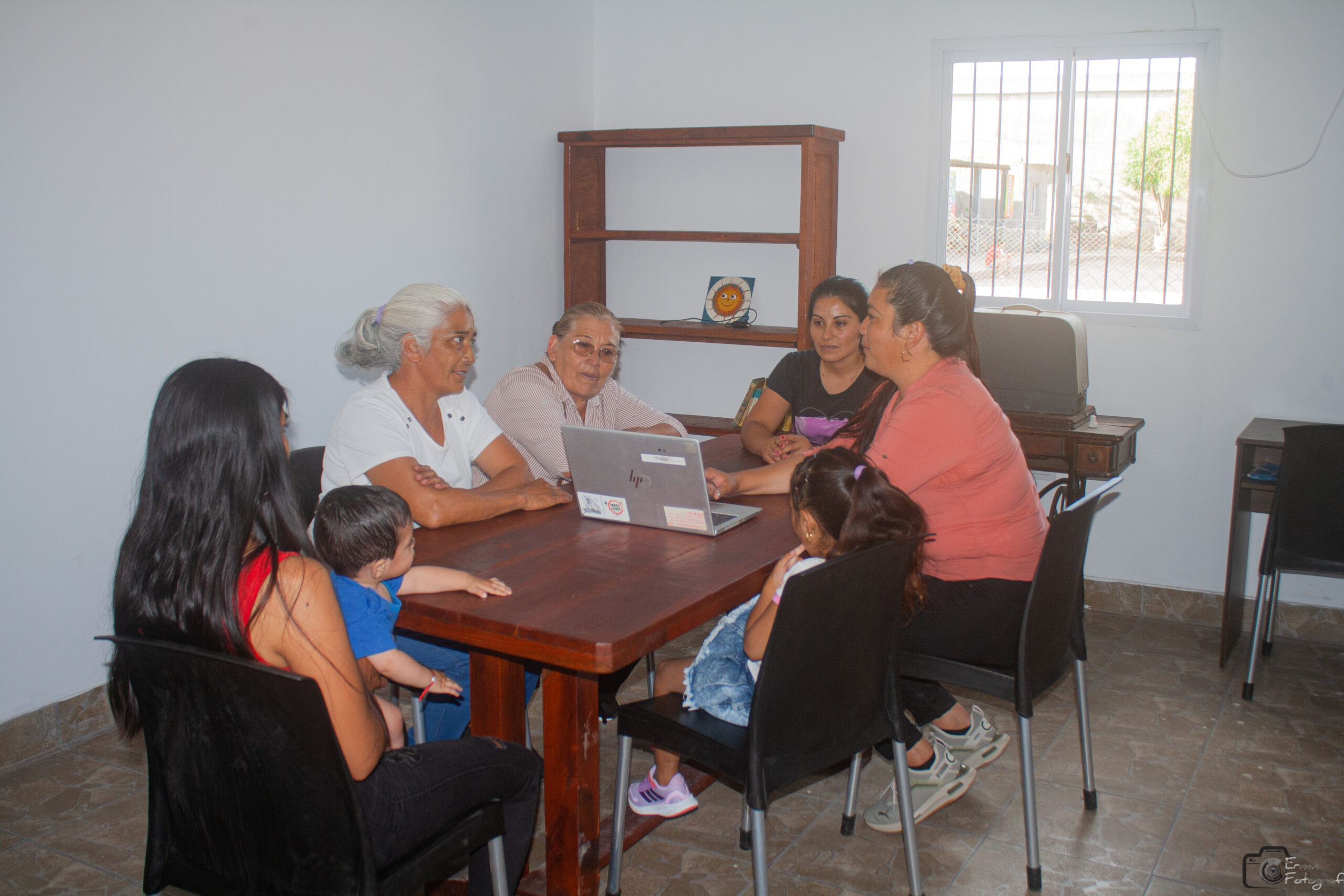
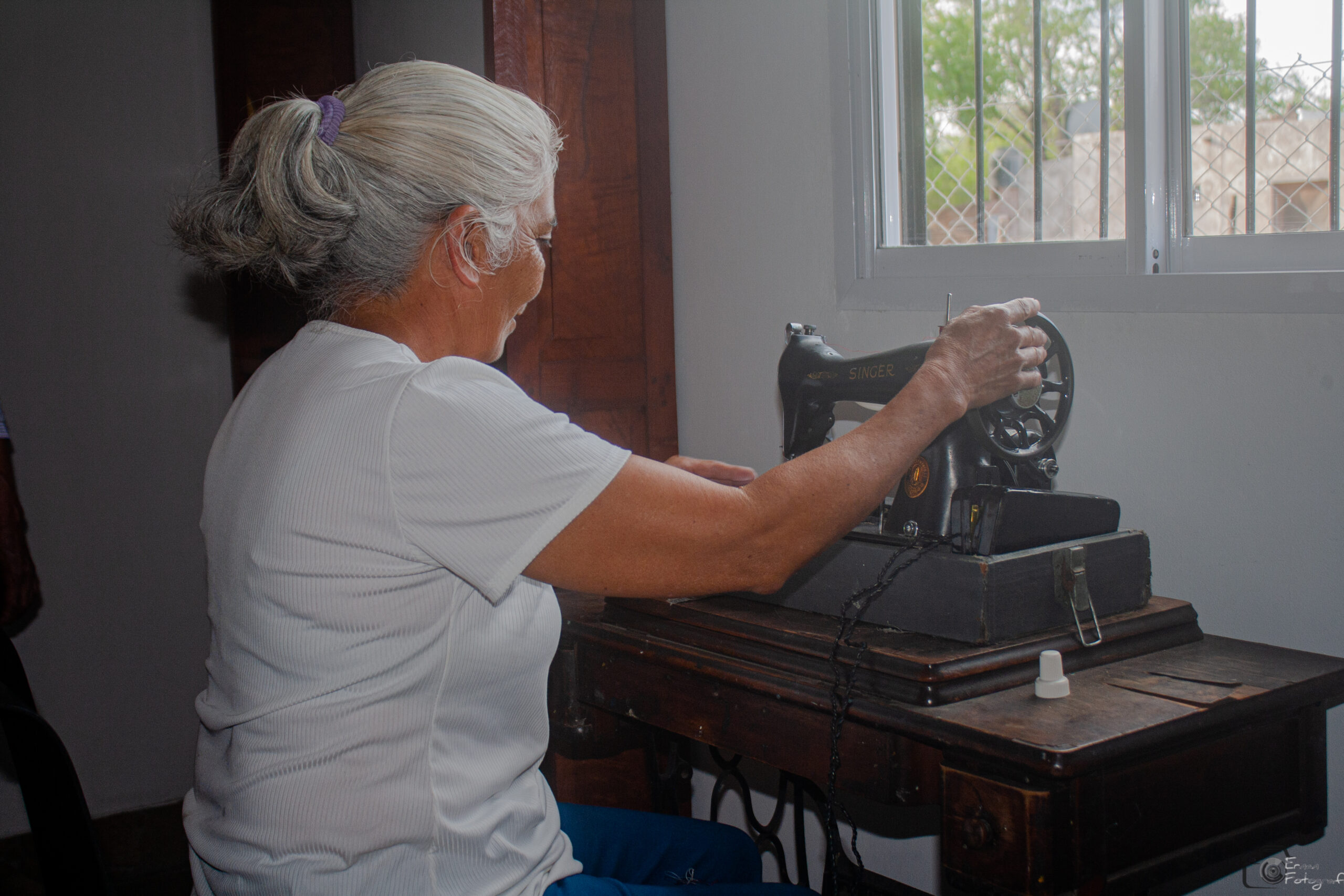
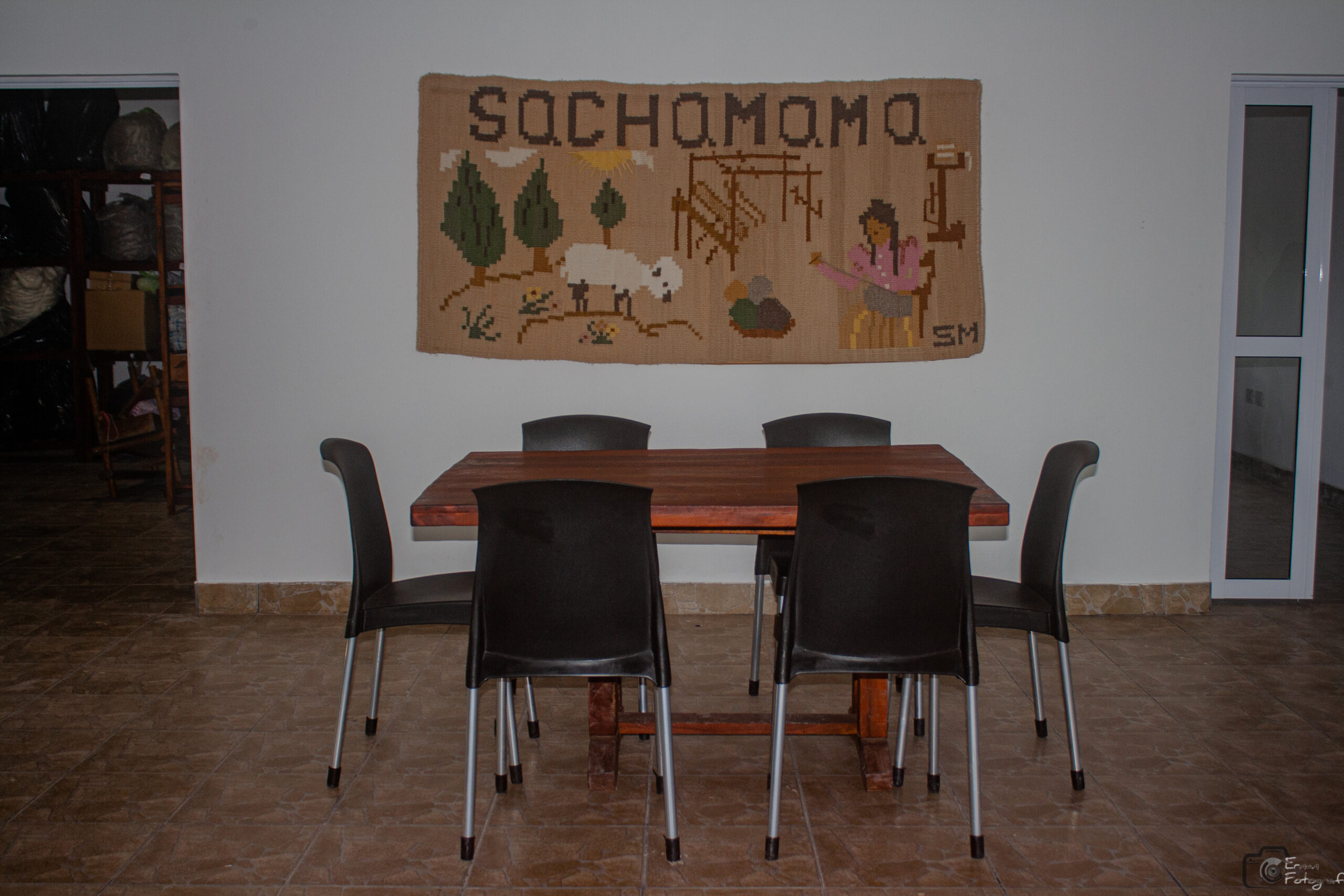
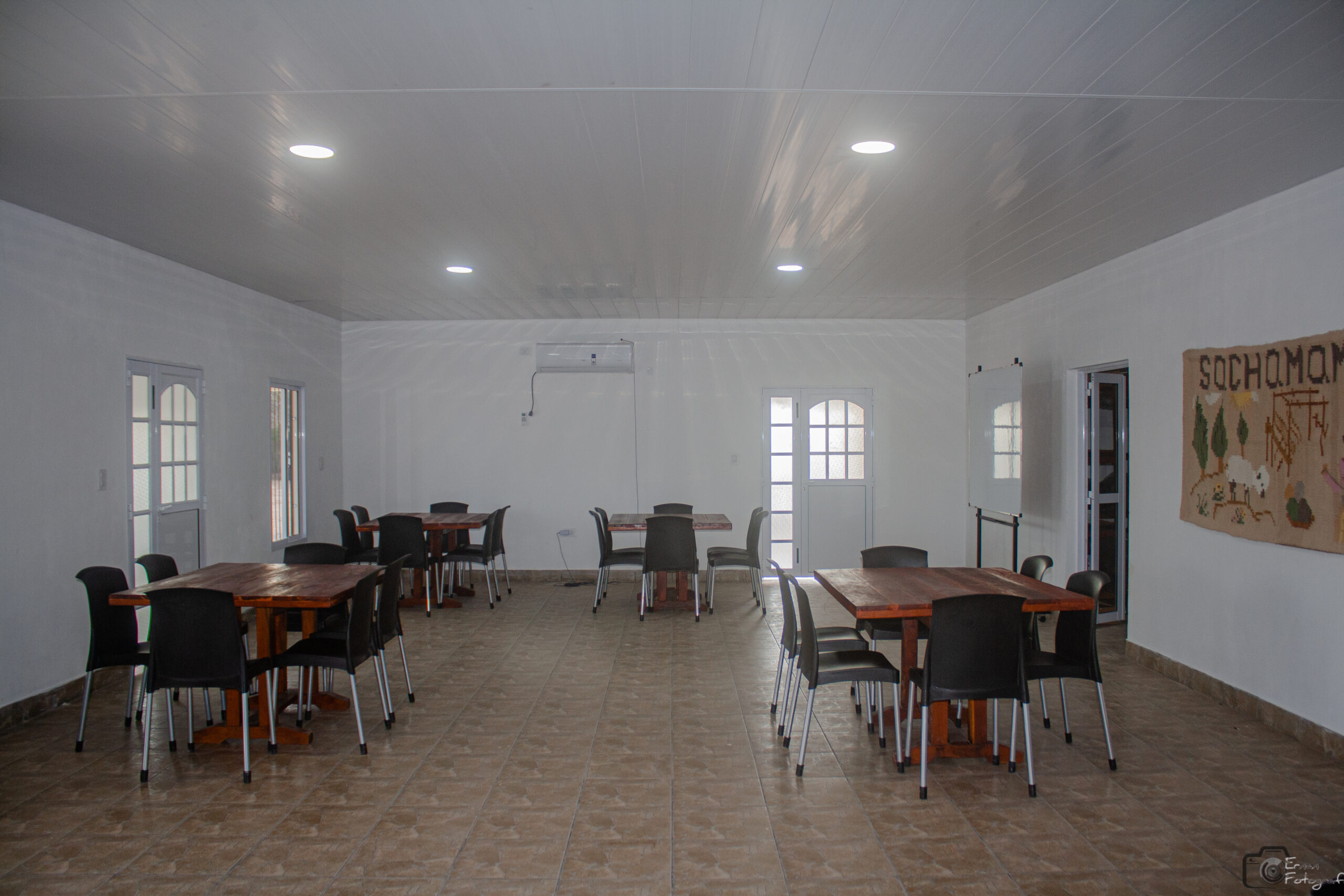
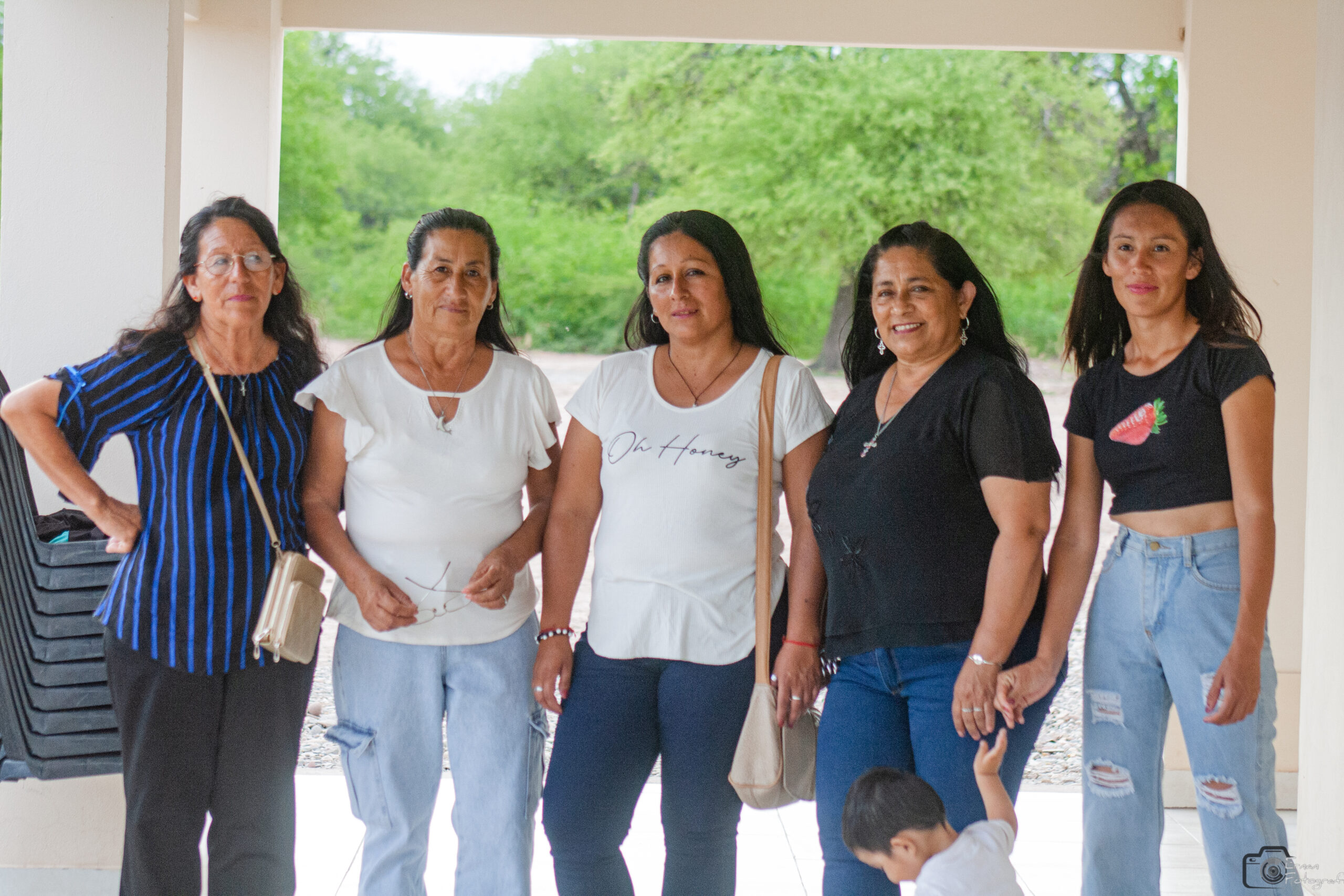
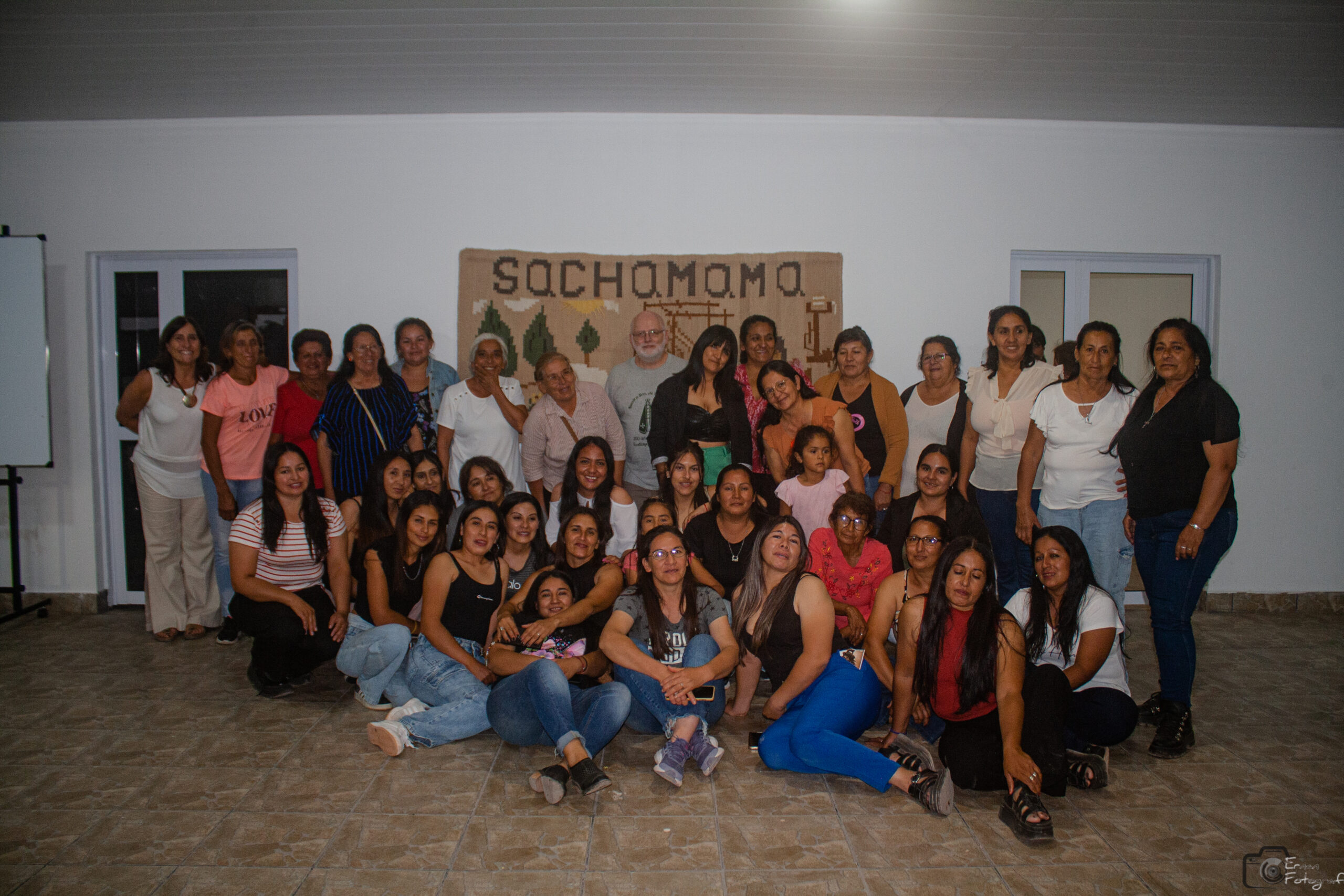
In Santiago del Estero, the Sacha Mama project works with a group of 48 women weavers in the community of San José de Boquerón. Through their work, these women support their households, often in environments where access to basic infrastructure remains limited.
Early on, one need became clear. The group lacked a dedicated space to organize their work. Materials were stored in different locations, production was fragmented, and opportunities to improve quality and consistency were limited.
What we accomplished this year — Sacha Mama
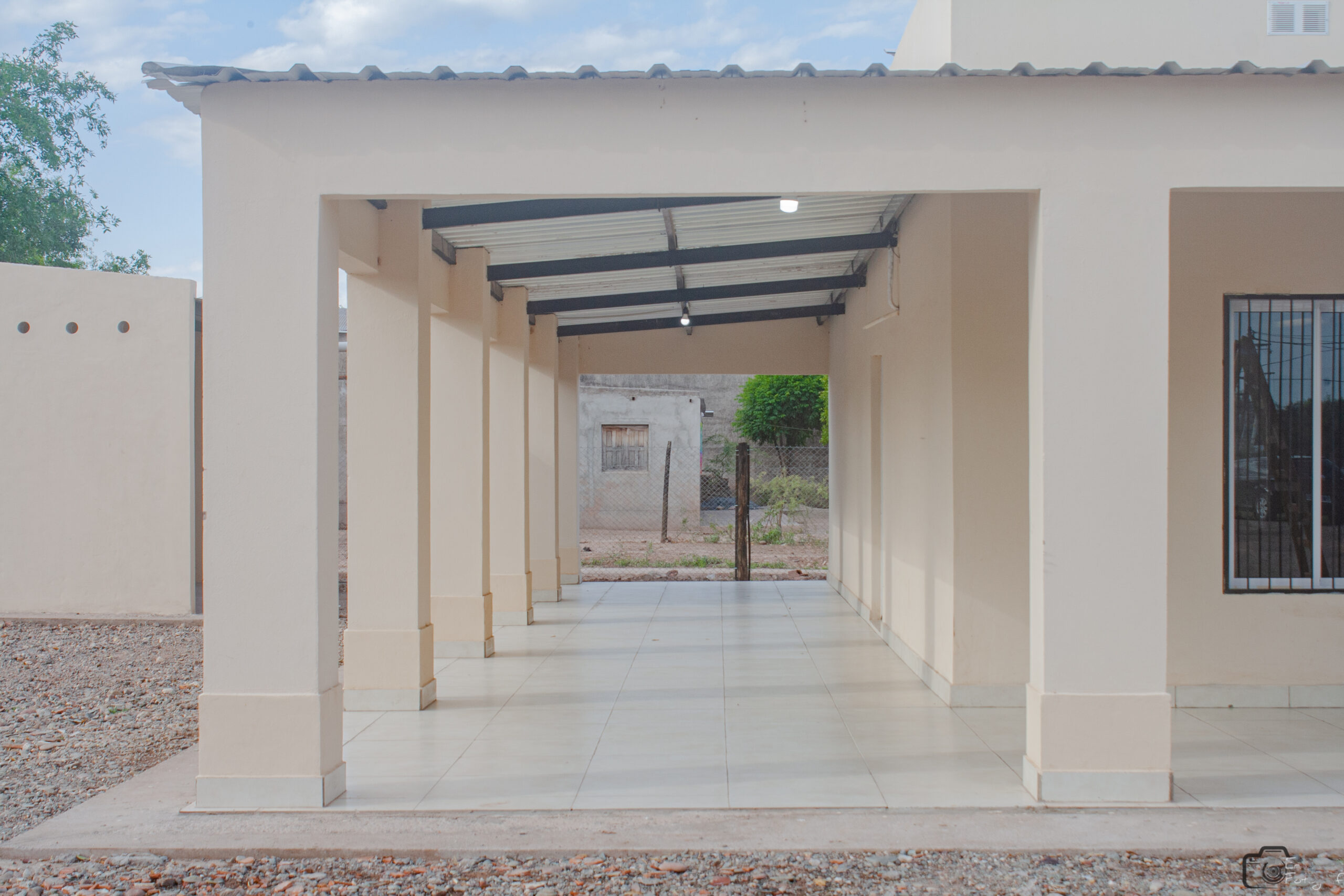
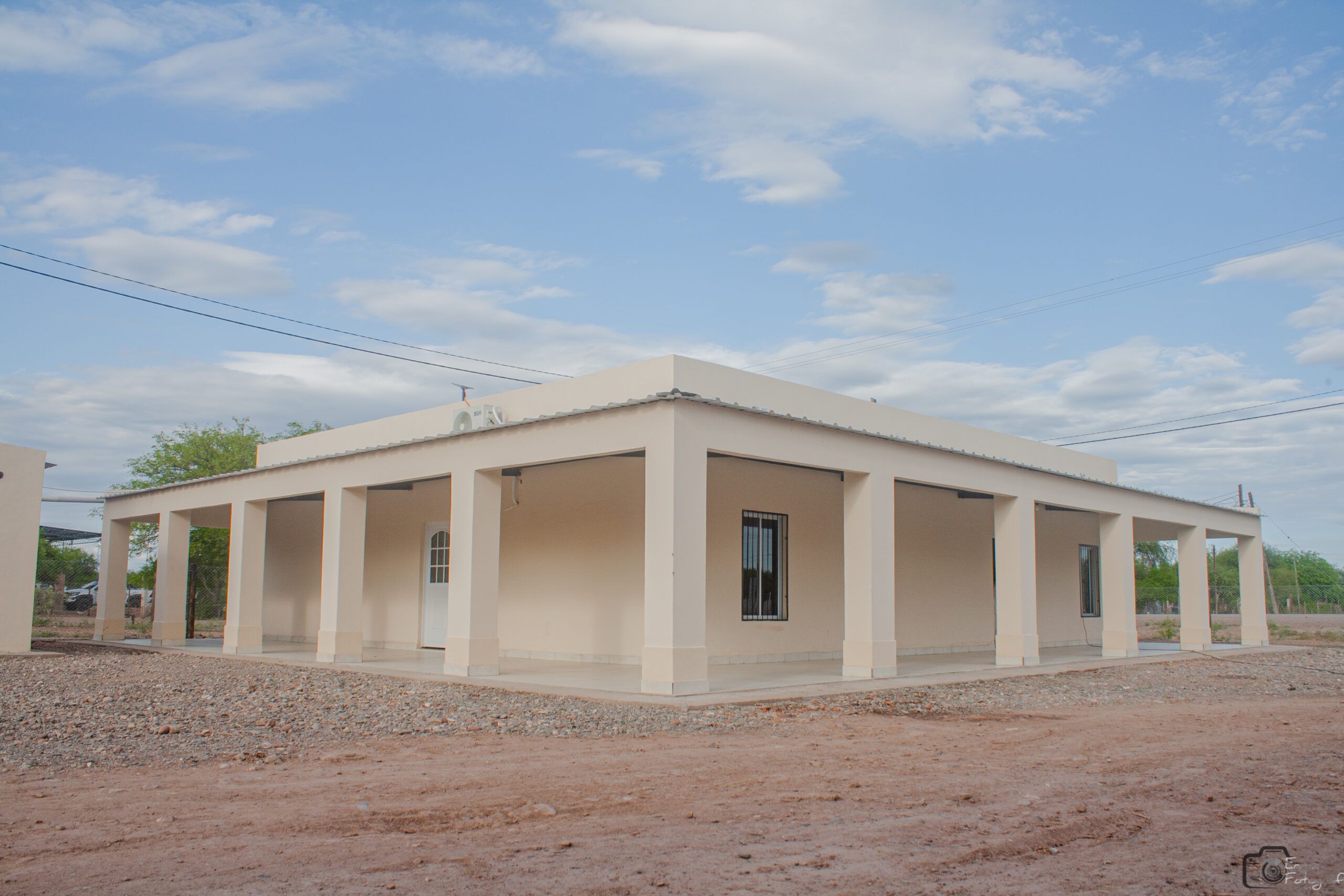
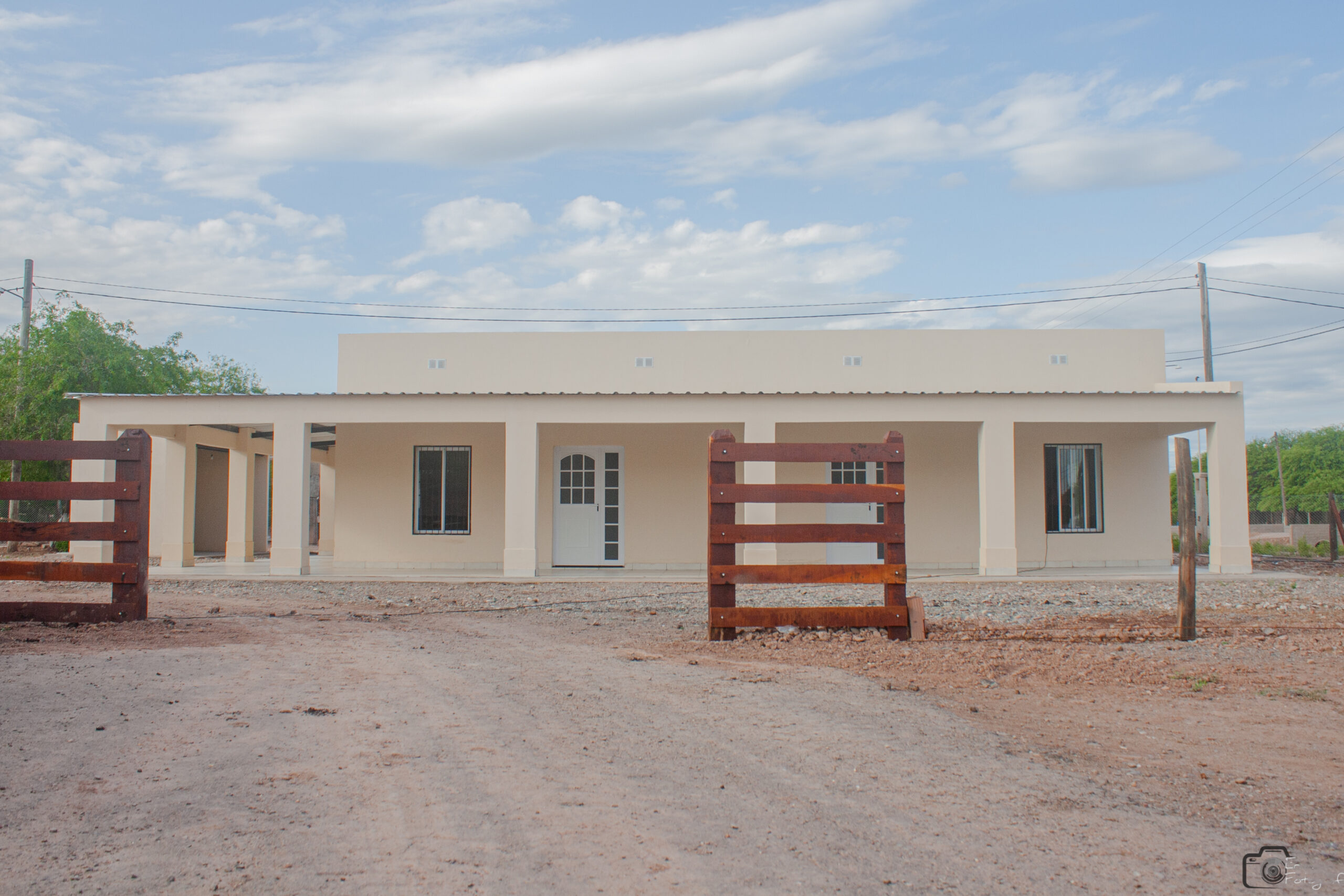
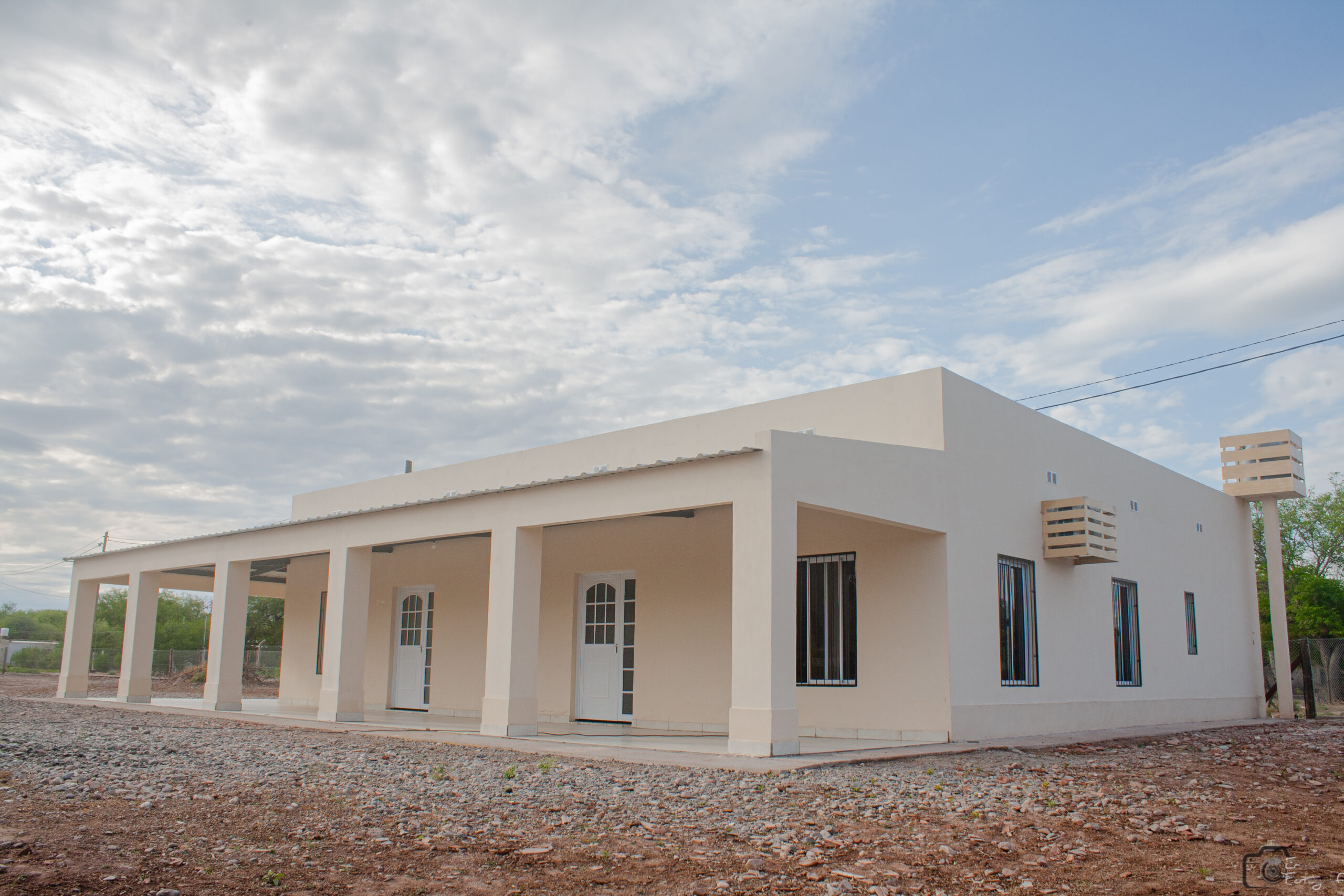
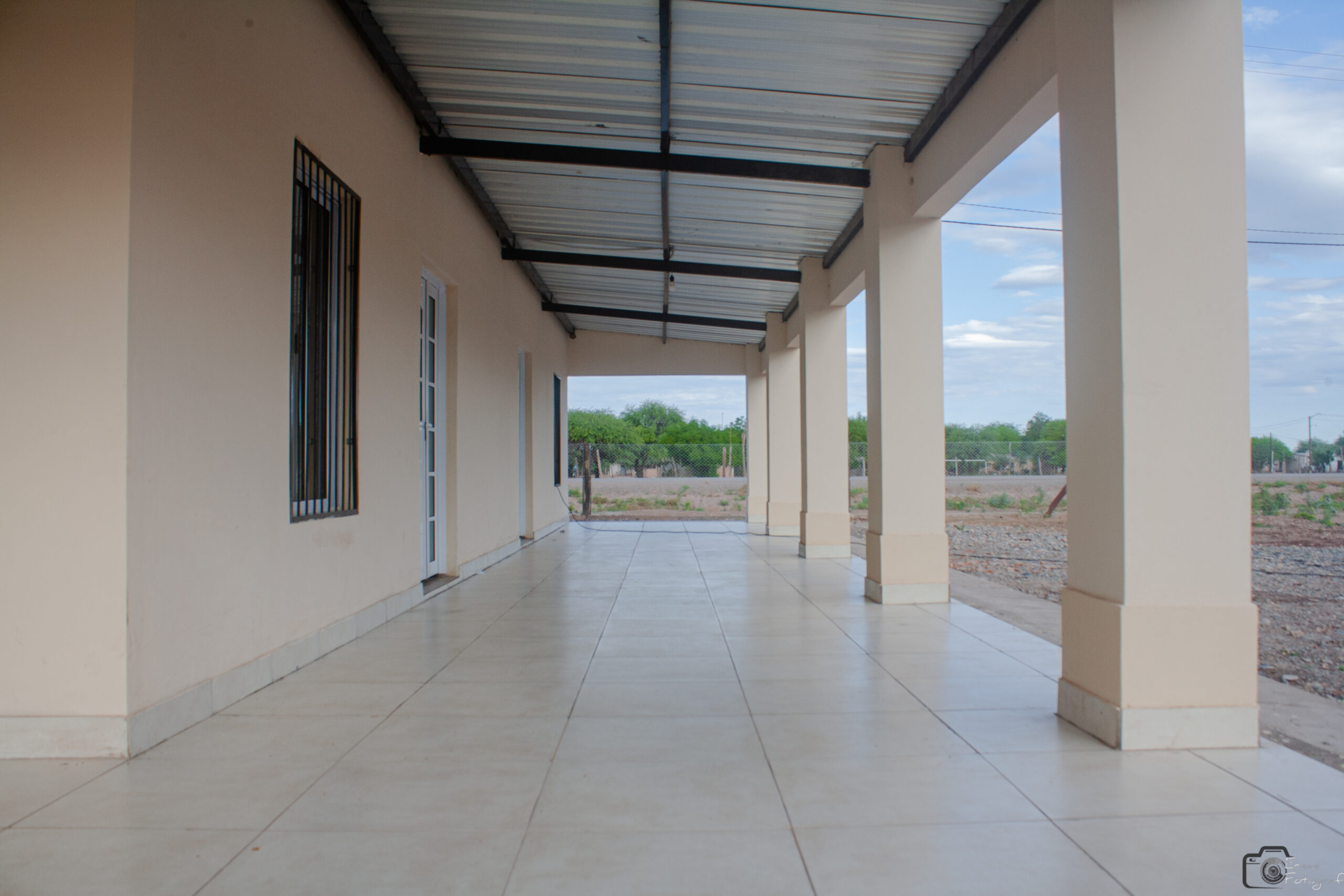
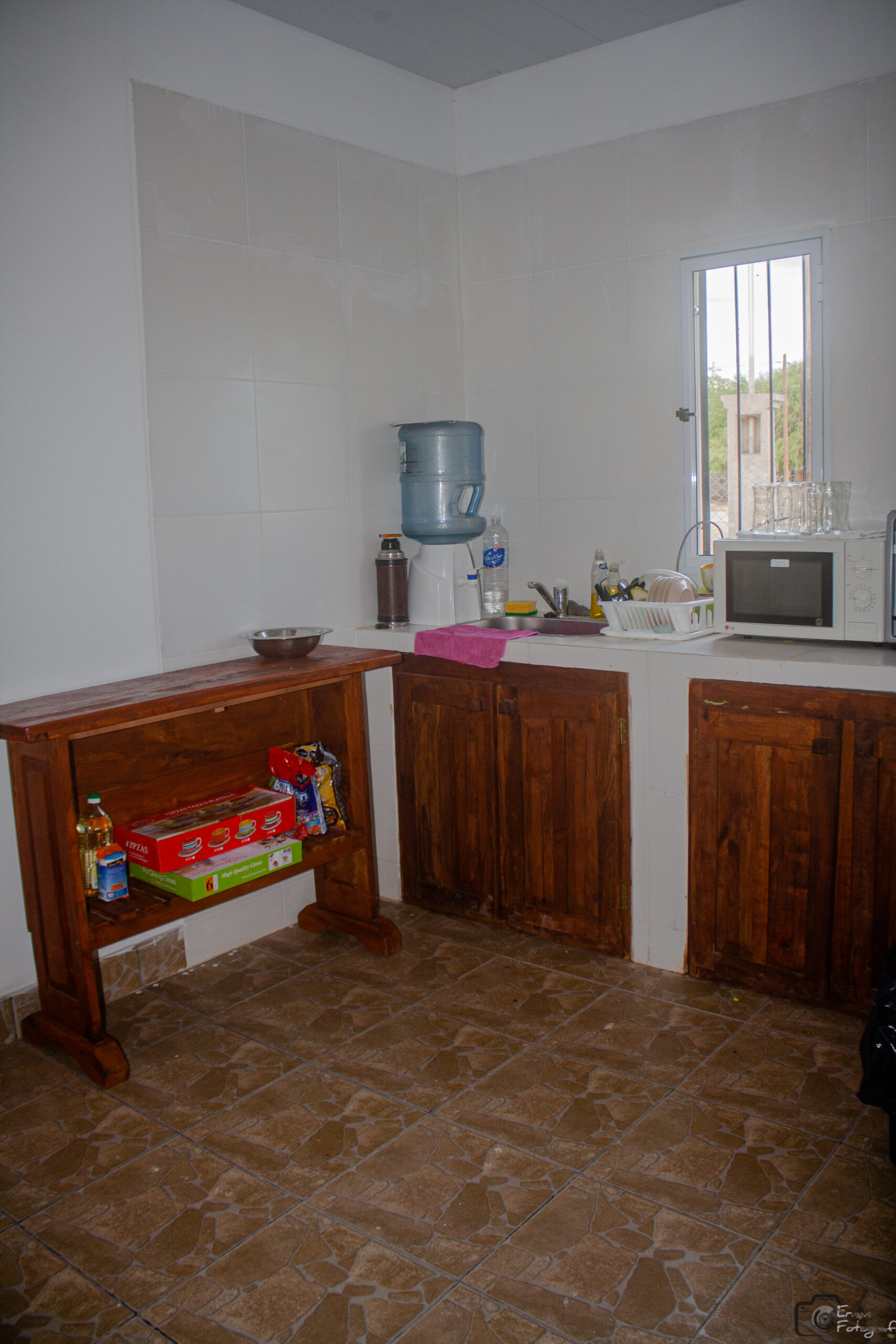
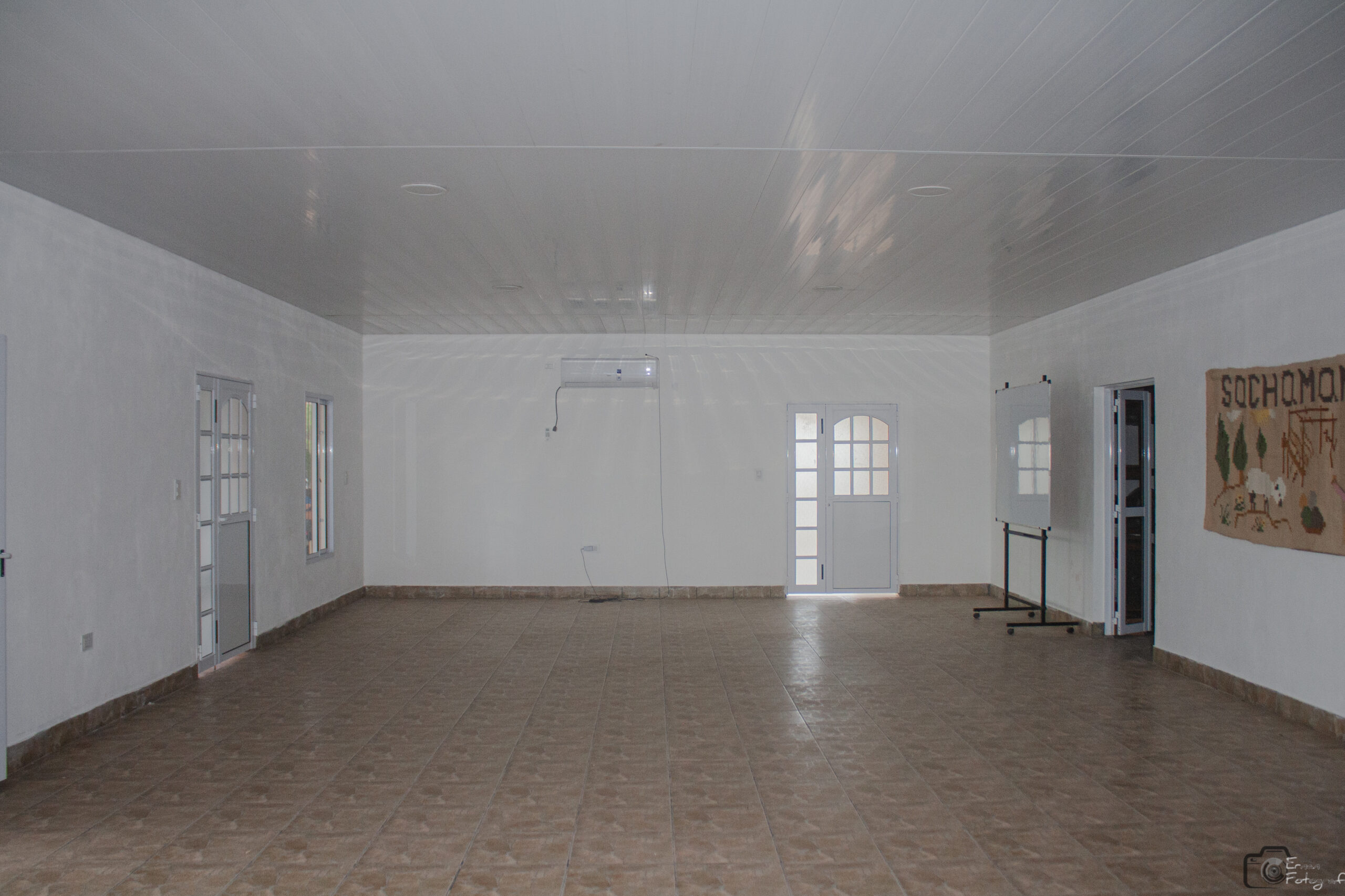
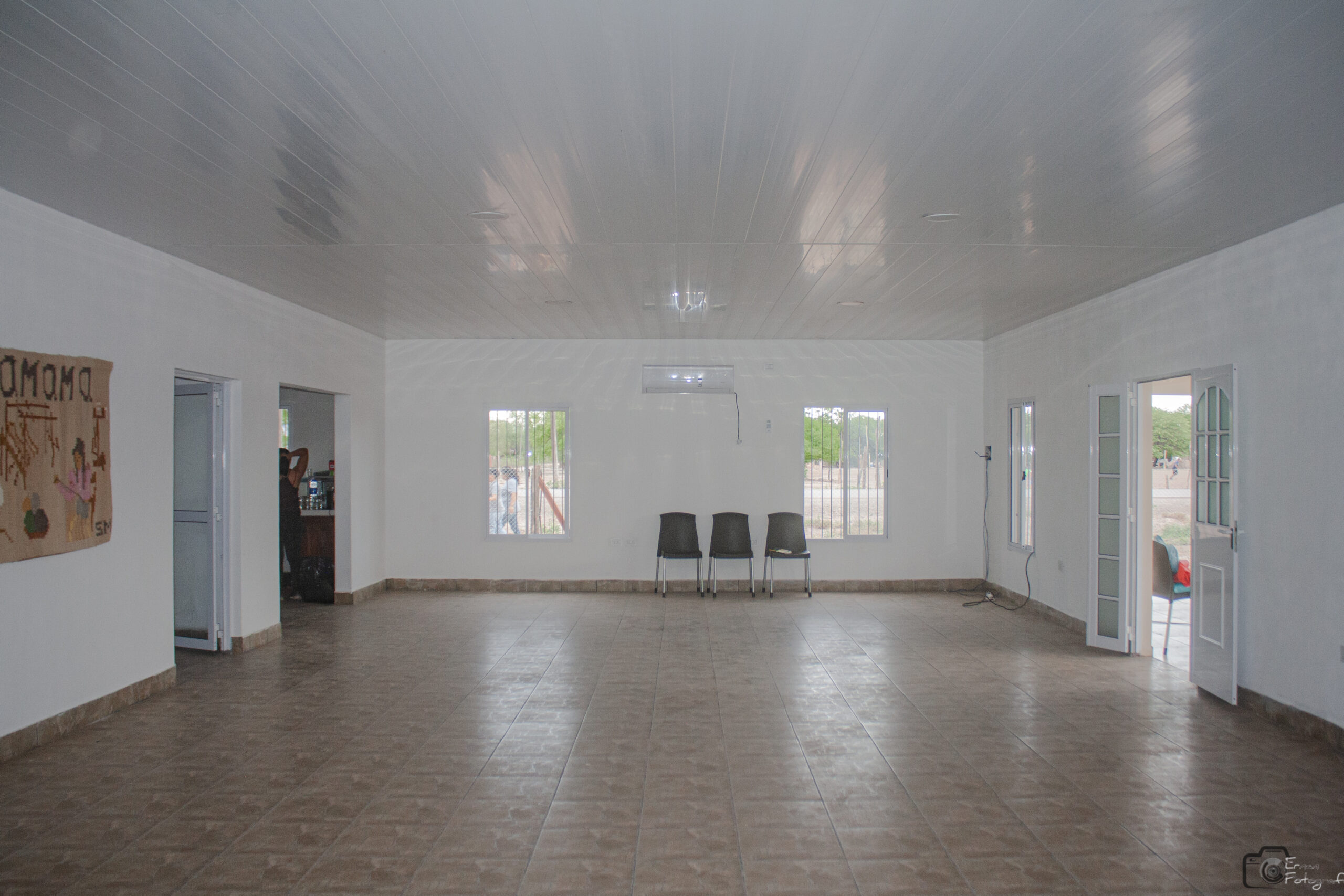
In response, a new workspace was developed and completed in 2025, built using local materials and labor.
The space now functions as a central hub for the group:
- Storage of raw materials
- Organization and quality control of finished products
- Preparation and packaging of orders
- Space for meetings and training
This new infrastructure allows the group to work in a more organized and consistent way, improving both production capacity and overall quality.
Looking ahead
With the workspace now in place, the focus shifts toward addressing broader challenges within the community.
Future efforts are centered on:
- Access to electricity through solar panels
- Installation of water storage systems
These next steps aim to improve not only working conditions, but daily life for the families involved.
Closing
Over the past 12 months, these initiatives have continued to grow through consistent work on the ground.
From daily meals in the community centers to healthcare access and long-term development projects, every step reflects a shared effort to improve conditions where it matters most.
Your support has been part of that process, and we truly appreciate it.
If you’d like to learn more or get involved, feel free to reach out to Gisela Cristini, our Social Work Director, at gisela@daviddenies.com